

How to choose the right brewing guide
Start with the tea you have in hand, then match it to the guide that best suits the leaf size, blend style and strength you prefer. A fine rooibos blend needs a different approach from whole leaf black tea, while herbal infusions often need a little more time to open up fully. If you are making tea for a table service, a tasting, or just a quiet cup at home in Stellenbosch or anywhere in South Africa, the right method makes all the differnce.
Use these guides as a practical starting point. If you like a lighter cup, shorten the steeping time. If you want a fuller flavour, use a little more leaf rather than leaving it too long and risking bitterness. That simple habit helps keep each brew clear, balanced and easy to repeat.
Water, temperature and the kettle you use
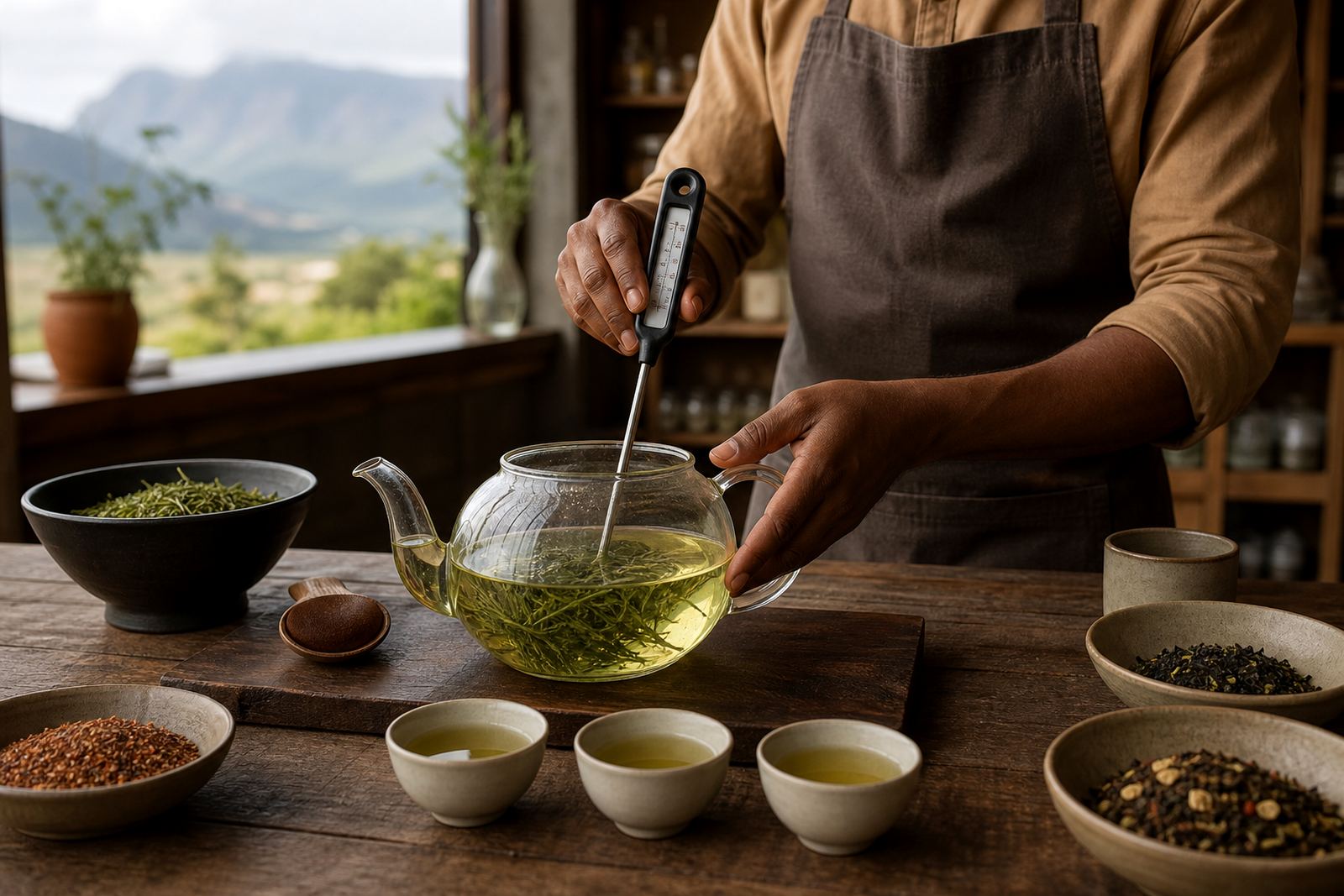
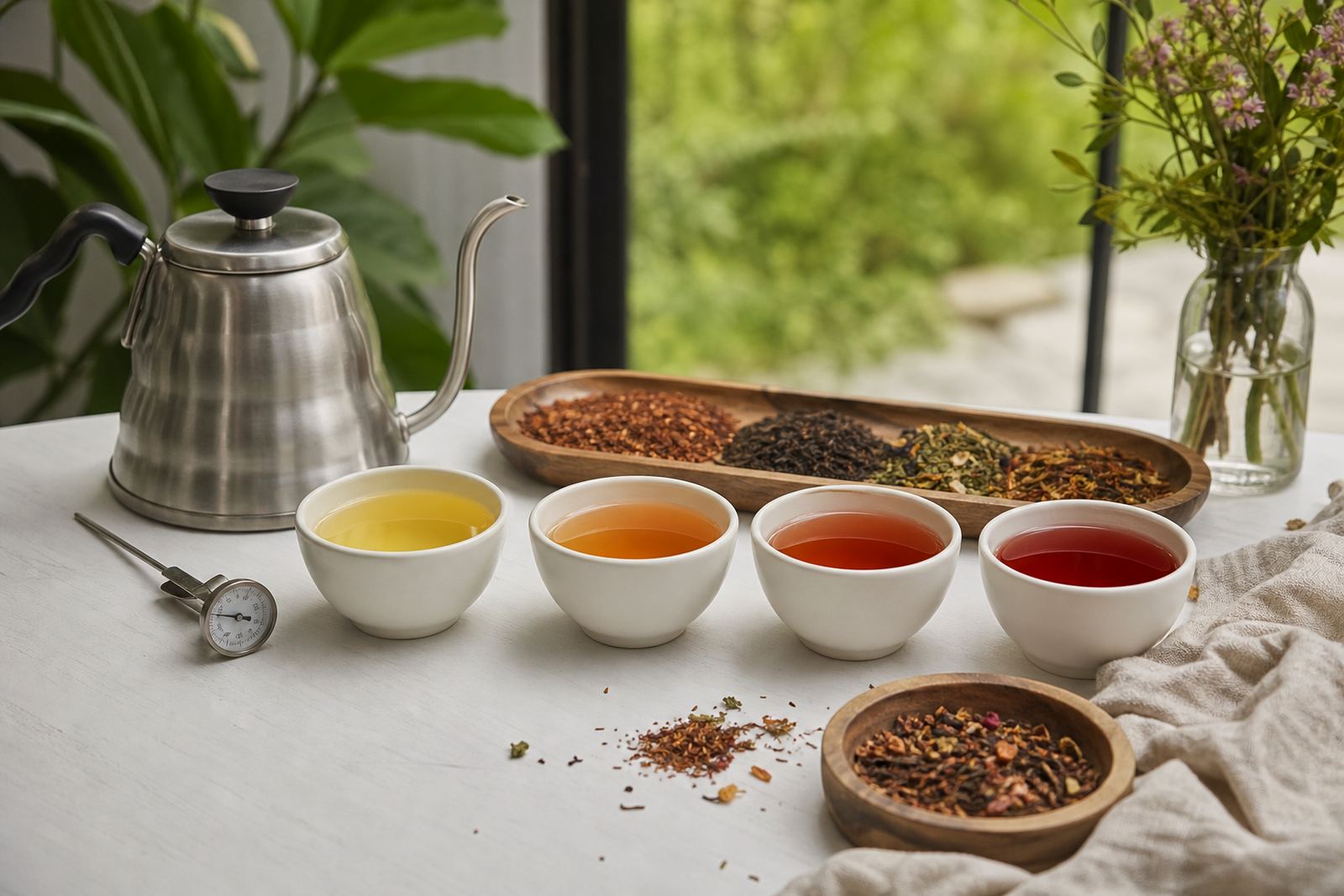
Good tea starts with clean water and the right temperature. For most loose-leaf teas, freshly boiled water should rest for a short while before pouring. Delicate green and white teas need cooler water, while black teas and many herbal infusions can take hotter water without trouble. Rooibos is forgiving, which is one reason it remains a favourite across the Western Cape and beyond.
- Black tea: near boiling water, then steep to taste
- Green tea: hot water, not boiling
- Rooibos: freshly boiled water is ideal
- Herbal infusions: near boiling water for full flavour
If load shedding affects your kitchen routine, heat water only when you are ready to brew and keep your timing steady. That small step gives more reliable results than guessing from a half-cooled kettle.
Loose-leaf tea brewing basics for everyday cups
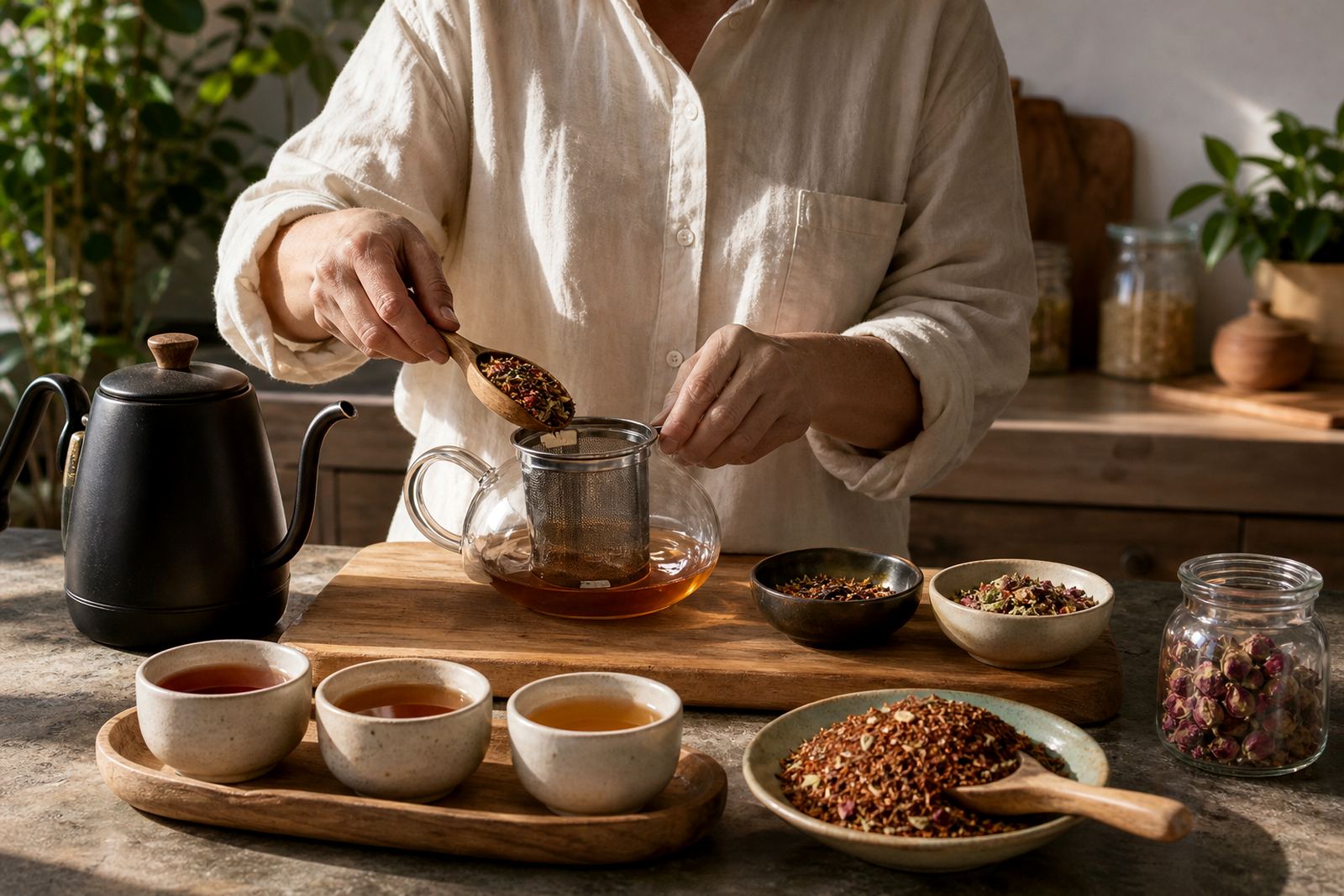
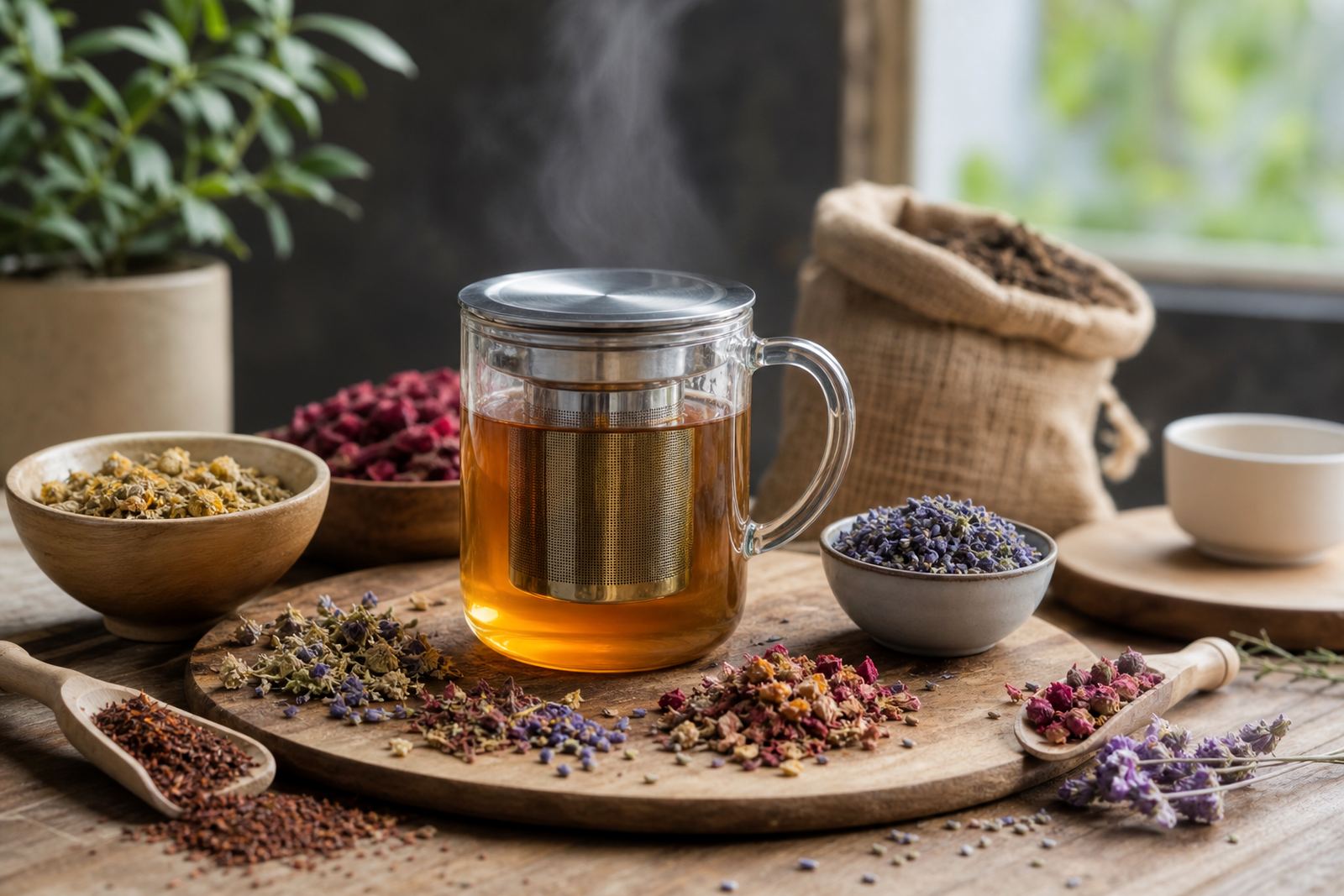
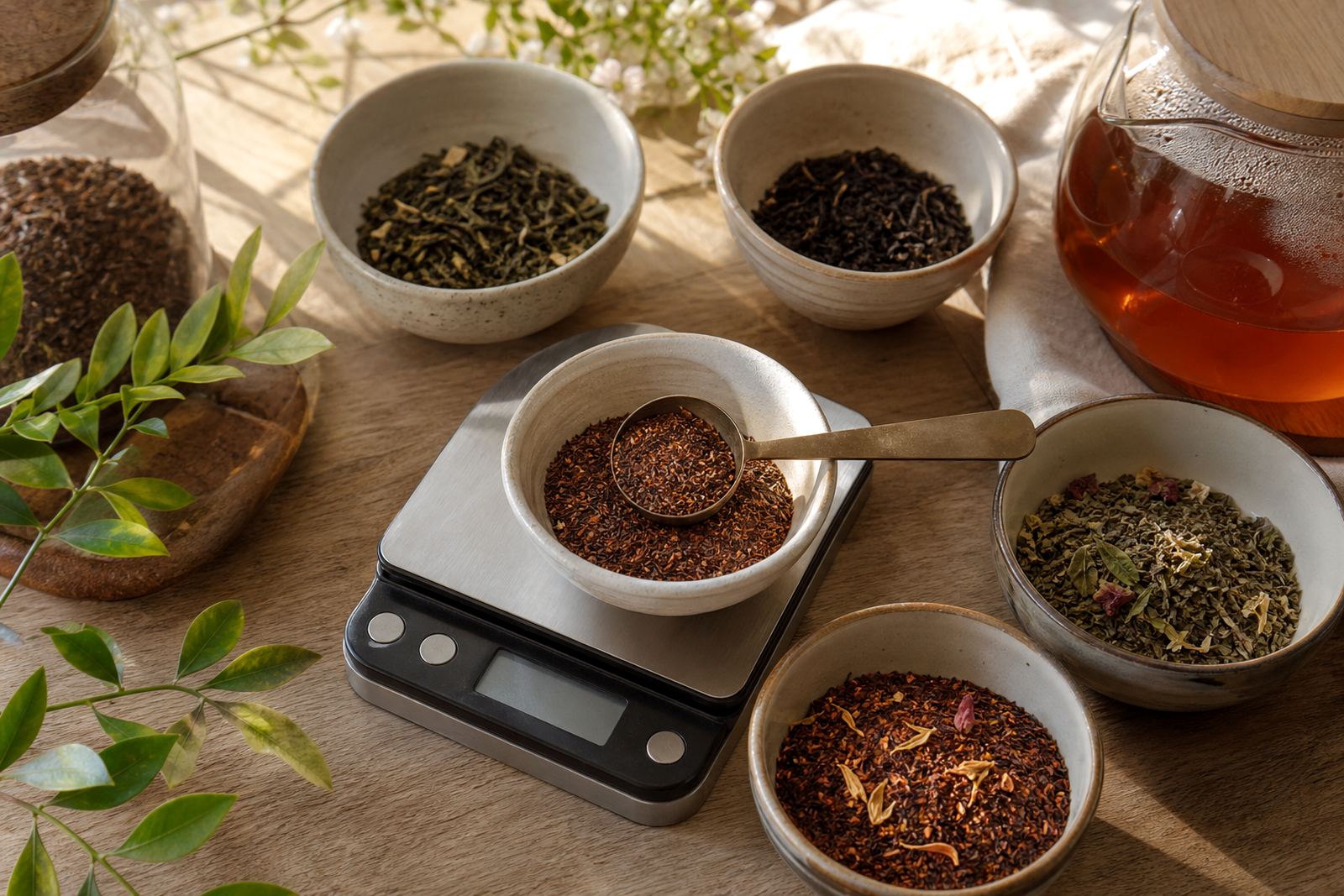
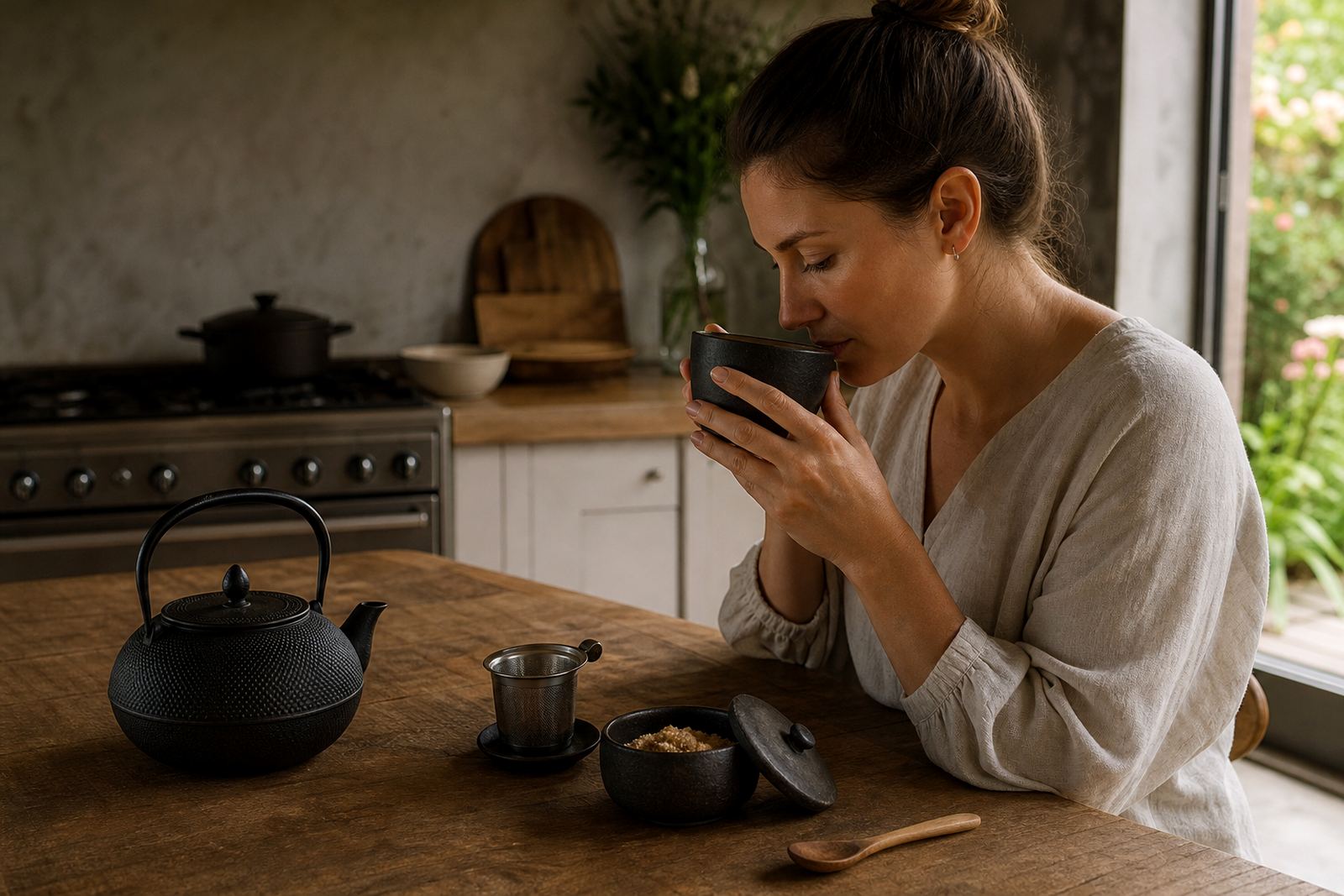
Loose-leaf tea gives you more control over flavour, strength and aroma. A teaspoon can be a useful measure, but the best result comes from matching the amount of leaf to the size of your cup, mug or teapot. Use a little more leaf for larger pots, and less if the blend is finely cut or already strong in character.
- Warm the pot or mug first if possible
- Add the leaf before pouring water over it
- Cover while steeping to hold in the aroma
- Strain fully to avoid over-extraction
For hospitality service, consistency matters. Measure each batch the same way and keep notes on what your guests prefer. It saves time during busy service and helps avoid waste, especially where tea is served in quantity.
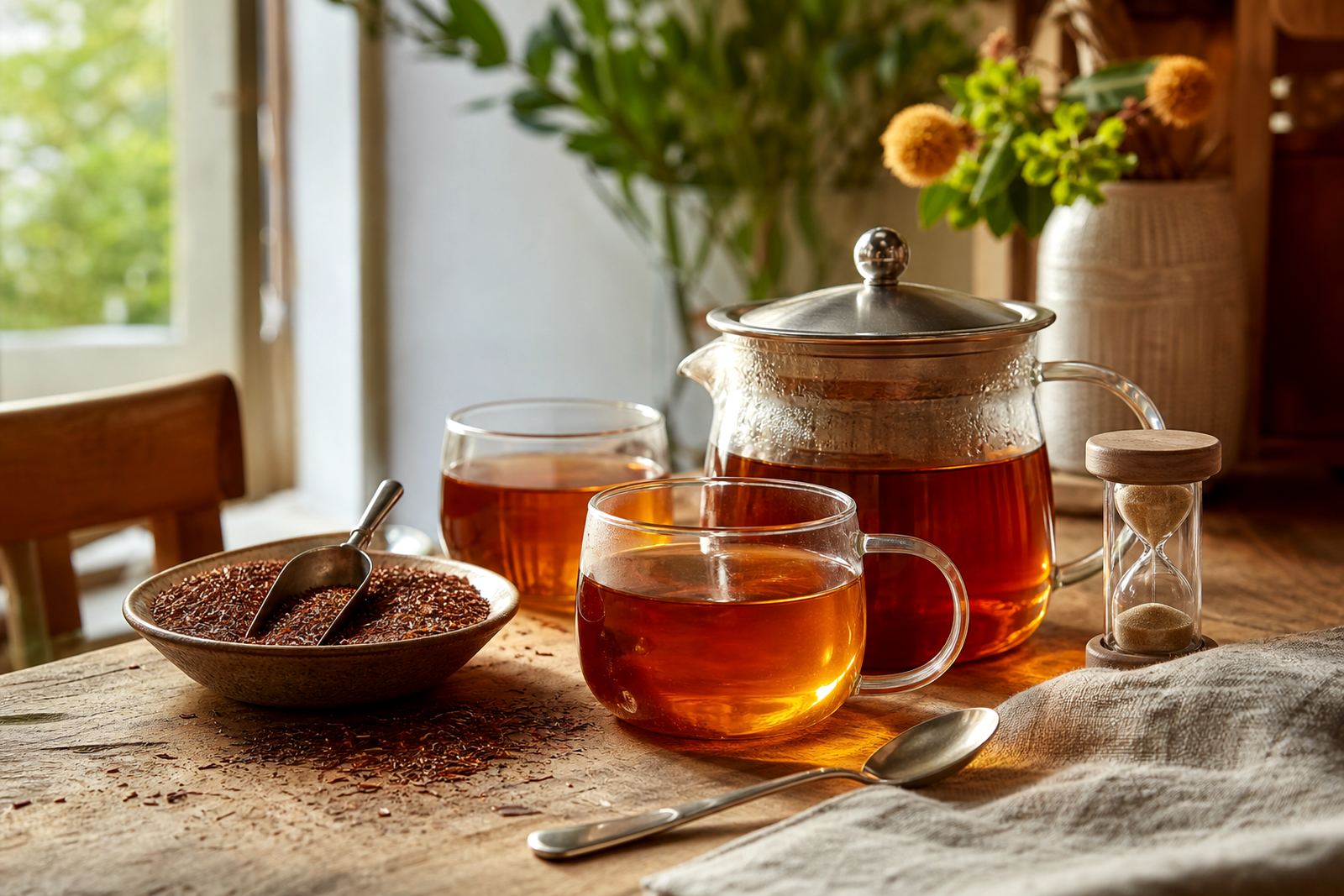
Rooibos and herbal infusions need a patient steep
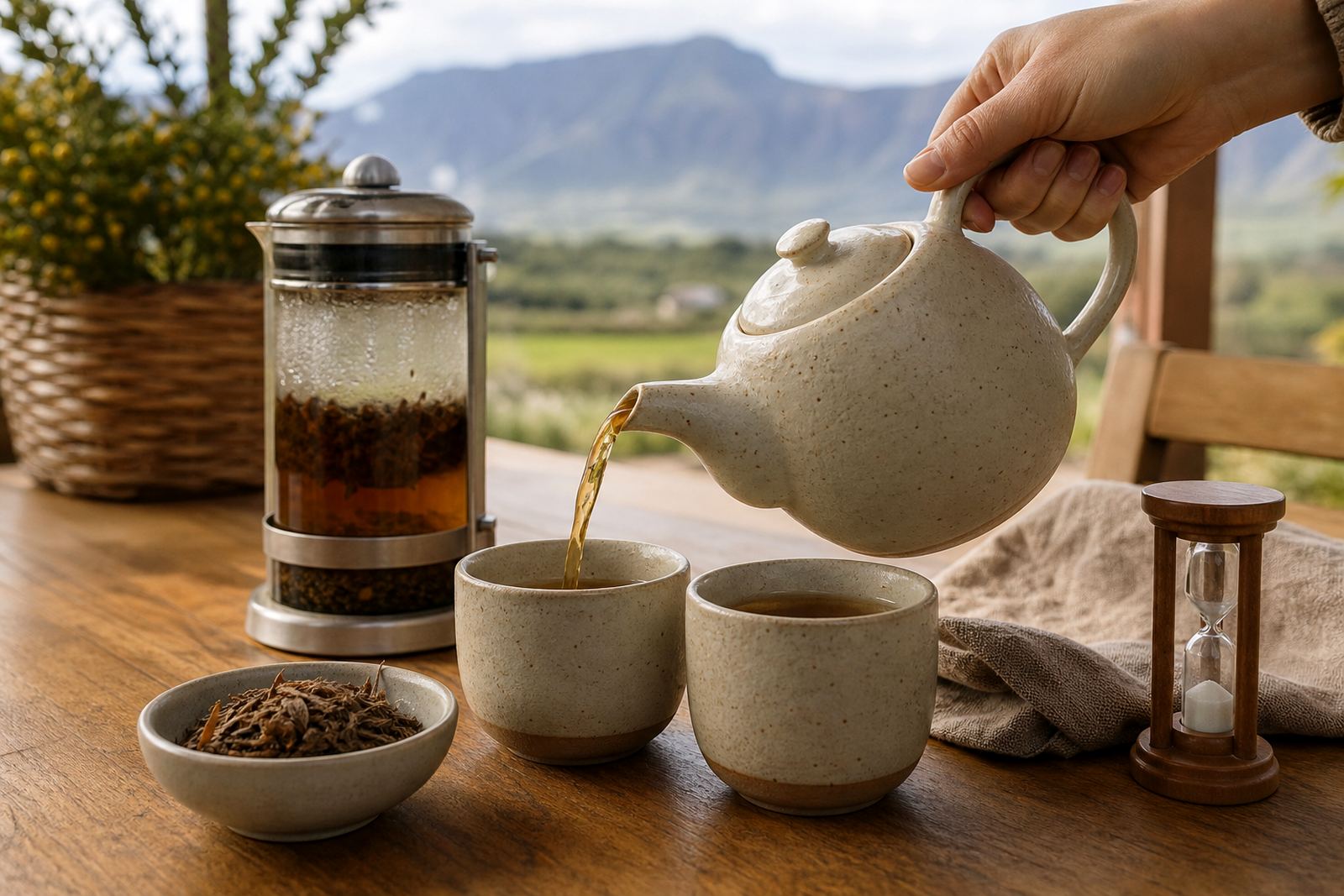
Rooibos and herbal infusions usually reward a longer steep than standard black tea. Their flavour develops gradually, so it is worth giving them enough time in the pot or cup. A short steep can taste thin, while a proper infusion brings out sweetness, spice, floral notes or citrus depending on the blend.
These blends also work well for second pours in some cases, though the strength will change. If you are serving guests in Cape Town, Durban or Johannesburg, keep a small timer near the kettle so each round tastes the same. It is a simple habit, but it keeps service steady and the tea tasting clean.
Serving tea for meetings, guests and gifting
When tea is served for offices, meetings, guest houses or gifting, presentation matters as much as the brew. Choose the guide that suits the setting and the number of cups you need to make. For a boardroom in Pretoria, a guest lounge in Somerset West, or a wedding table in Paarl, the goal is the same: a cup that tastes right and arrives on time.
- Use insulated jugs for short holding periods
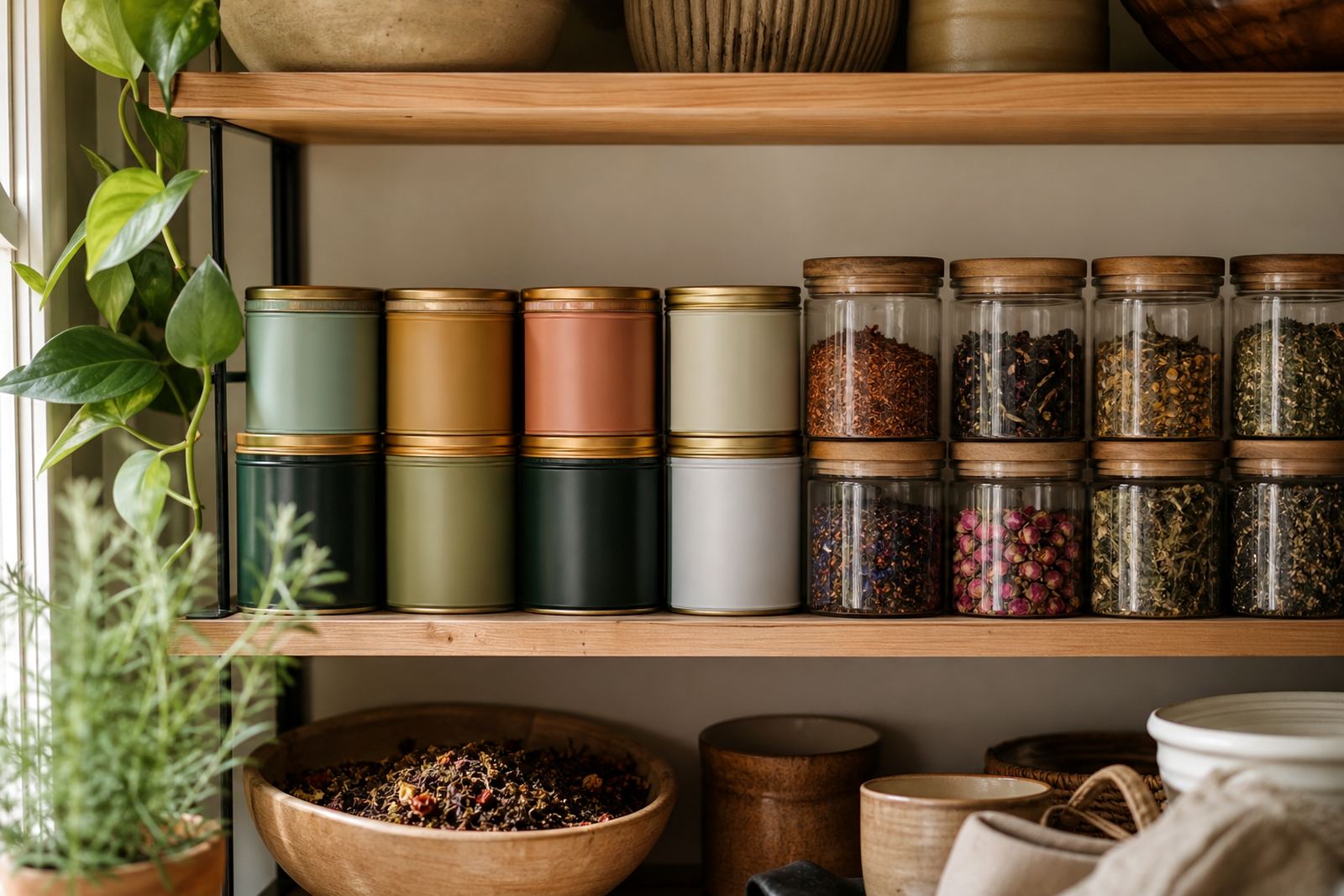
- Label blends clearly for self-service tables
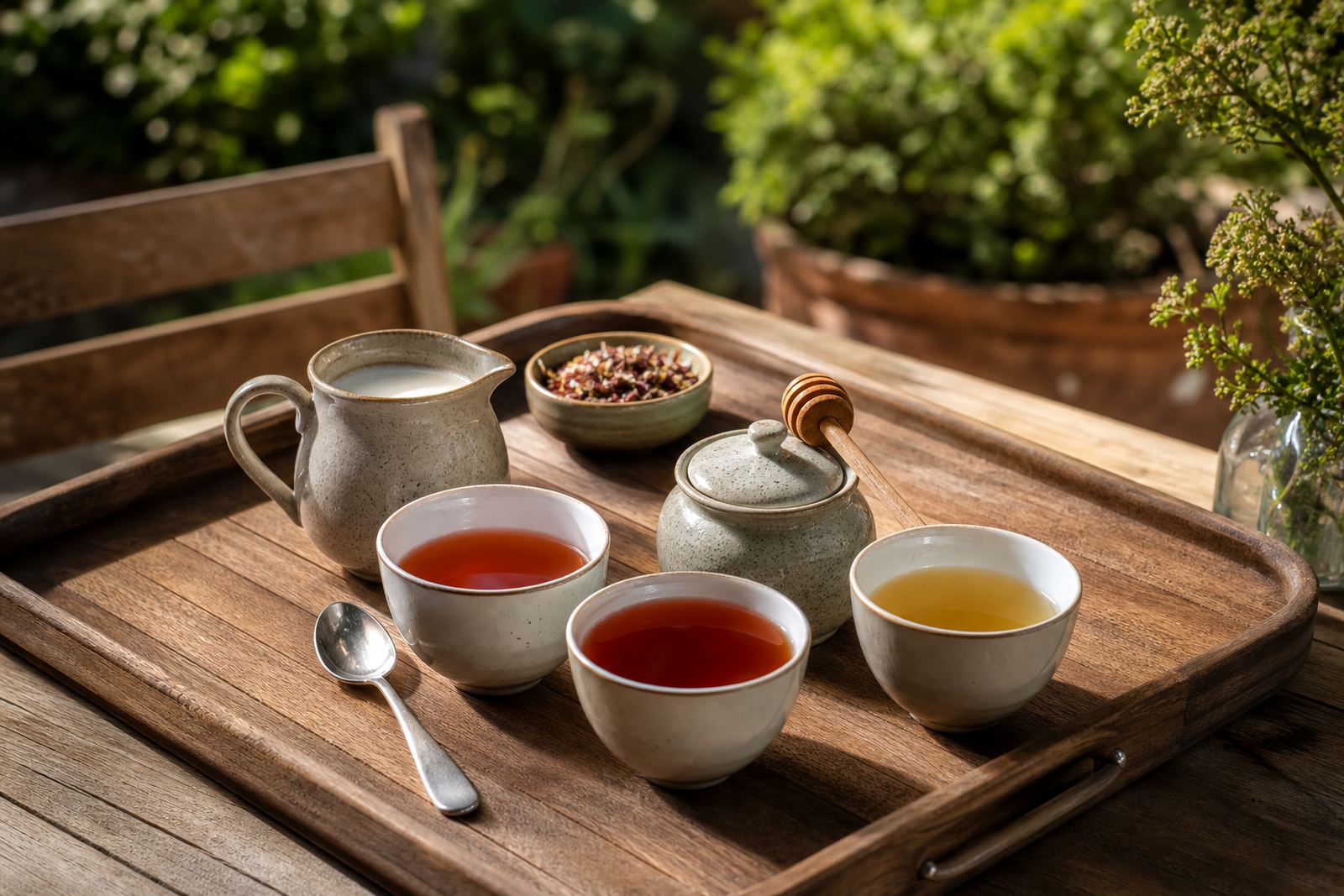
- Keep milk, lemon and sweetener separate where needed
- Refresh brewing water often for better flavour
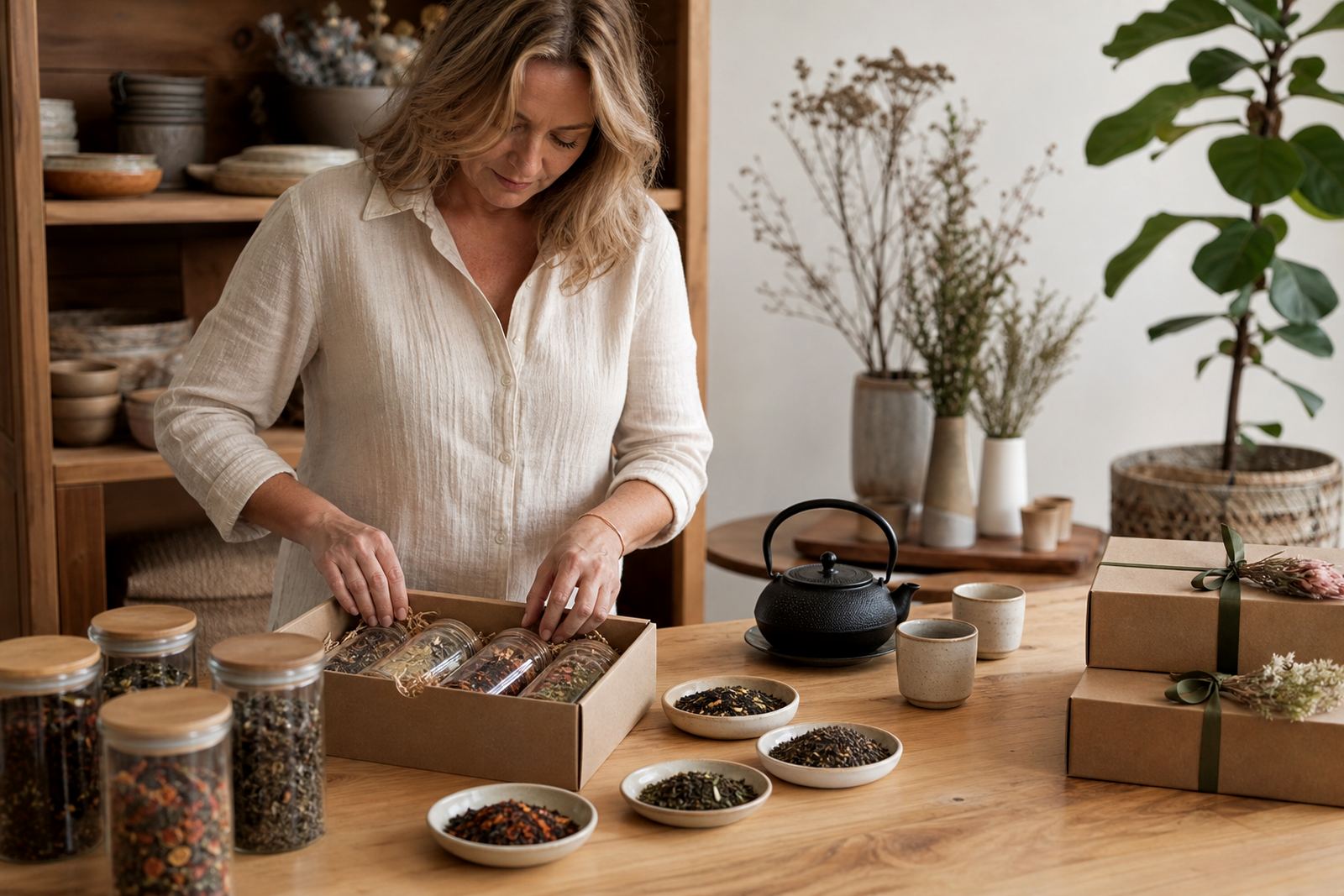
If you are preparing tea for gifting or retail packs, include the basics on the label or insert. Guests are more likely to enjoy the blend properly when they know how to brew it well.
Troubleshooting weak, bitter or cloudy tea
If a cup tastes weak, use more leaf or allow a little longer steeping time. If it turns bitter, shorten the steep or lower the water temperature next time. Cloudy tea can sometimes happen when water is too hot too quickly, or when the tea has been left standing too long. None of these problems are difficult to fix once you know where to look.
Keep a few notes on what you changed, whether that is the leaf amount, water temperature or brew time. One small change at a time makes it easier to see what works. That way you build a method that suits your blend, your kettle and your routine.