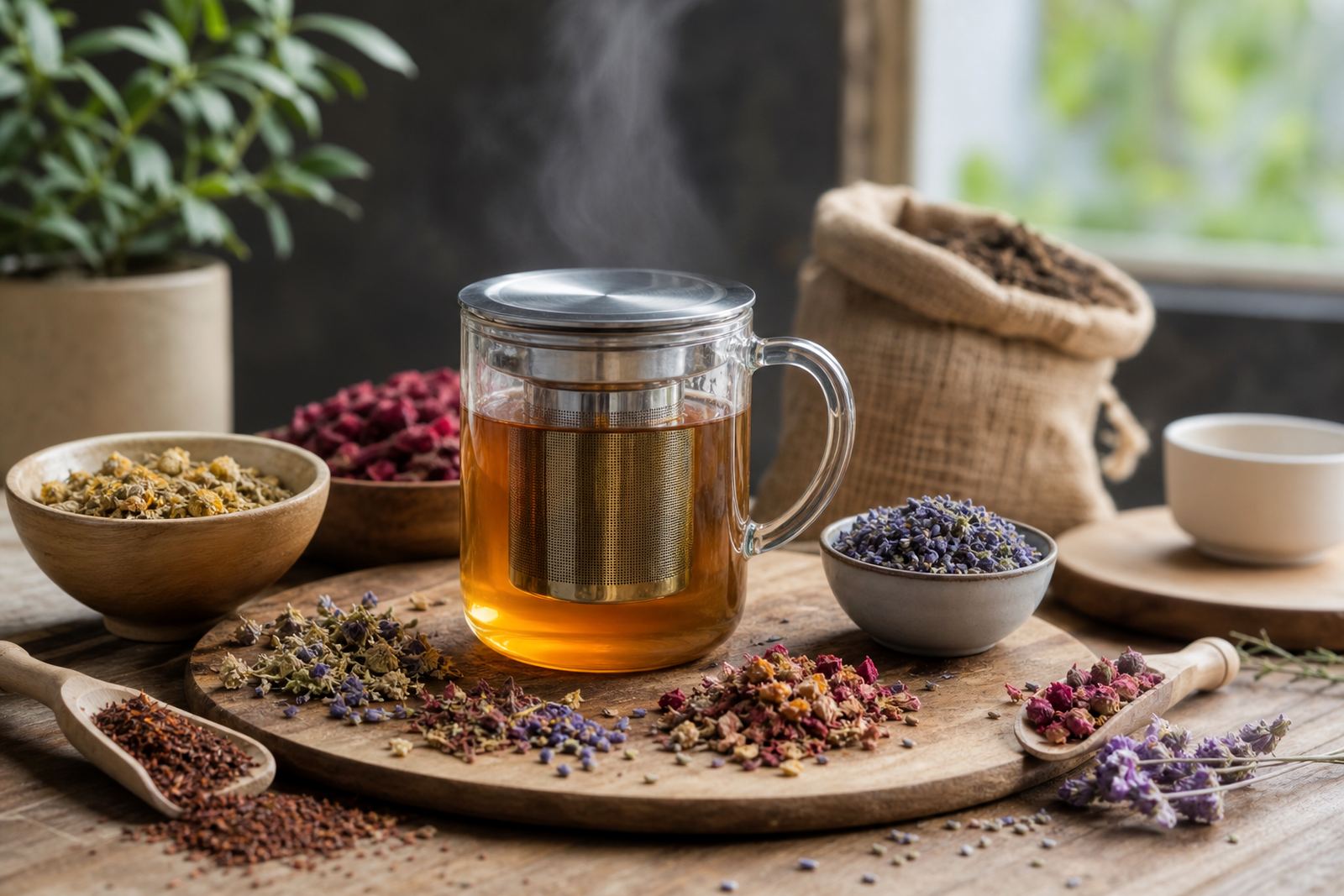
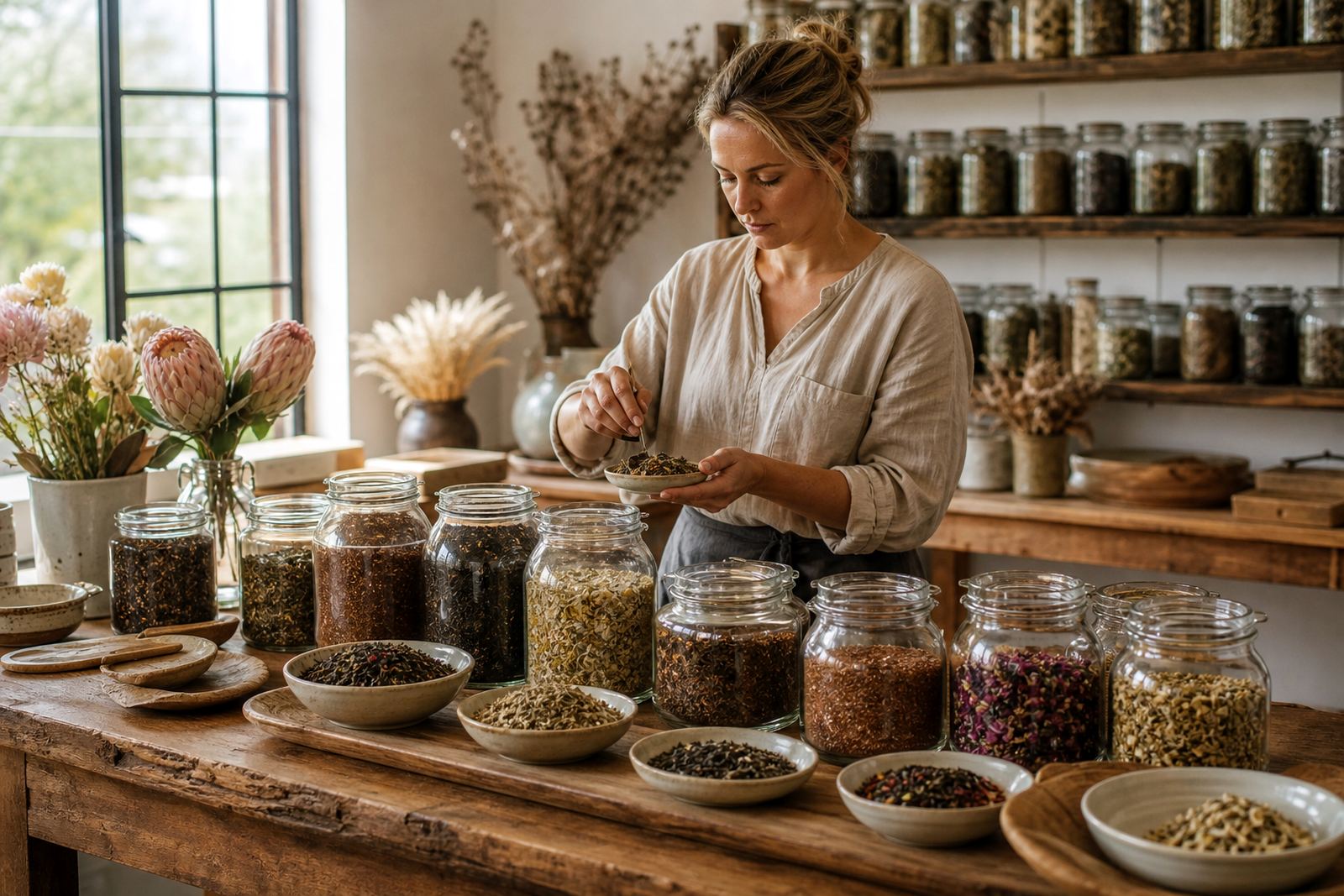
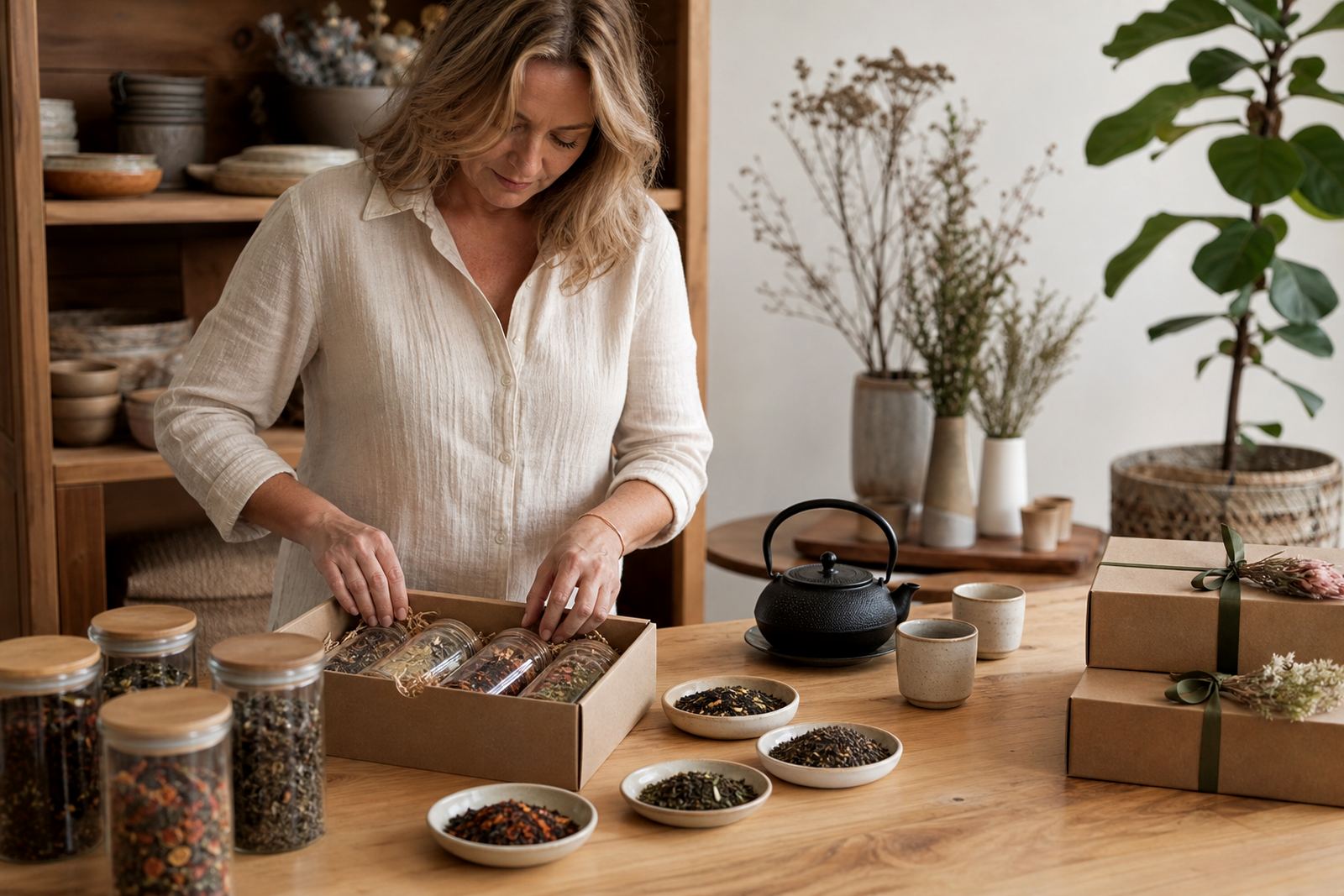
Start With The Plant Part In The Cup
Herbal infusions are not all brewed the same way. Soft petals and leaves release flavour quickly, while roots, bark and seeds need more time to draw out their character. If you treat every blend the same, you can end up with a weak cup or one that tastes flat and muddy.
As a simple rule, start by identifying what carries the main flavour in the blend. A flower-led infusion usually needs less time, leafy herbs sit in the middle, and tougher pieces like ginger, fennel or rooibos root style ingredients need longer. Mixed botanical blends sit somewhere in between, so the strongest ingredient should guide the brew.
- Flowers: 4 to 6 minutes
- Leaves and softer herbs: 5 to 8 minutes
- Roots, seeds and woody pieces: 8 to 12 minutes
- Mixed blends: begin at 6 minutes, then taste
Use The Right Water Temperature For Better Flavour
Boiling water is not always the answer. For delicate flowers and leafy herbs, very hot water can pull out bitterness too quickly. For tougher plant material, hotter water helps extract flavour properly. A good starting point is to let freshly boiled water rest for about 30 to 60 seconds before pouring over delicate blends.
If you are brewing a blend with rooibos, roots or dried fruit, near-boiling water works well. In coastal areas like Cape Town or Durban, where humidity can affect stored tea, keep your herbs sealed tightly and use fresh water every time. Stale water can dull the taste, even when the tea itself is good.
- Delicate flowers: 85 to 90 degrees Celsius
- Leafy herbs: 90 to 95 degrees Celsius
- Roots and tougher botanicals: 95 to 100 degrees Celsius
- Always pre-warm the pot or mug with a rinse of hot water
Brew Time Guide For Common Herbal Blend Types
Once the water is right, timing becomes the next important step. If you are tasting a new blend, check it from the fourth minute onwards. That way you can see how the flavour develops before it becomes too strong. Some blends open quickly, while others need a steady, patient steep.
For the best results, taste at intervals instead of guessing. A short steep gives a lighter cup with bright notes. A longer steep brings more depth and colour, but too much time can push tannins and earthy notes to the front. That is especially important for mixed blends with both leaf and root ingredients.
- Chamomile style flower blends: 4 to 5 minutes for a soft cup
- Mint and leafy herb blends: 5 to 7 minutes for clear flavour
- Ginger and root blends: 8 to 10 minutes for more body
- Mixed botanical infusions: 6 to 8 minutes, then taste and adjust
If your blend includes fruit pieces, give it a little longer, but not so long that the cup turns sharp. A good brew should feel rounded, not bitter or thin.
How To Brew A Better Cup Step By Step
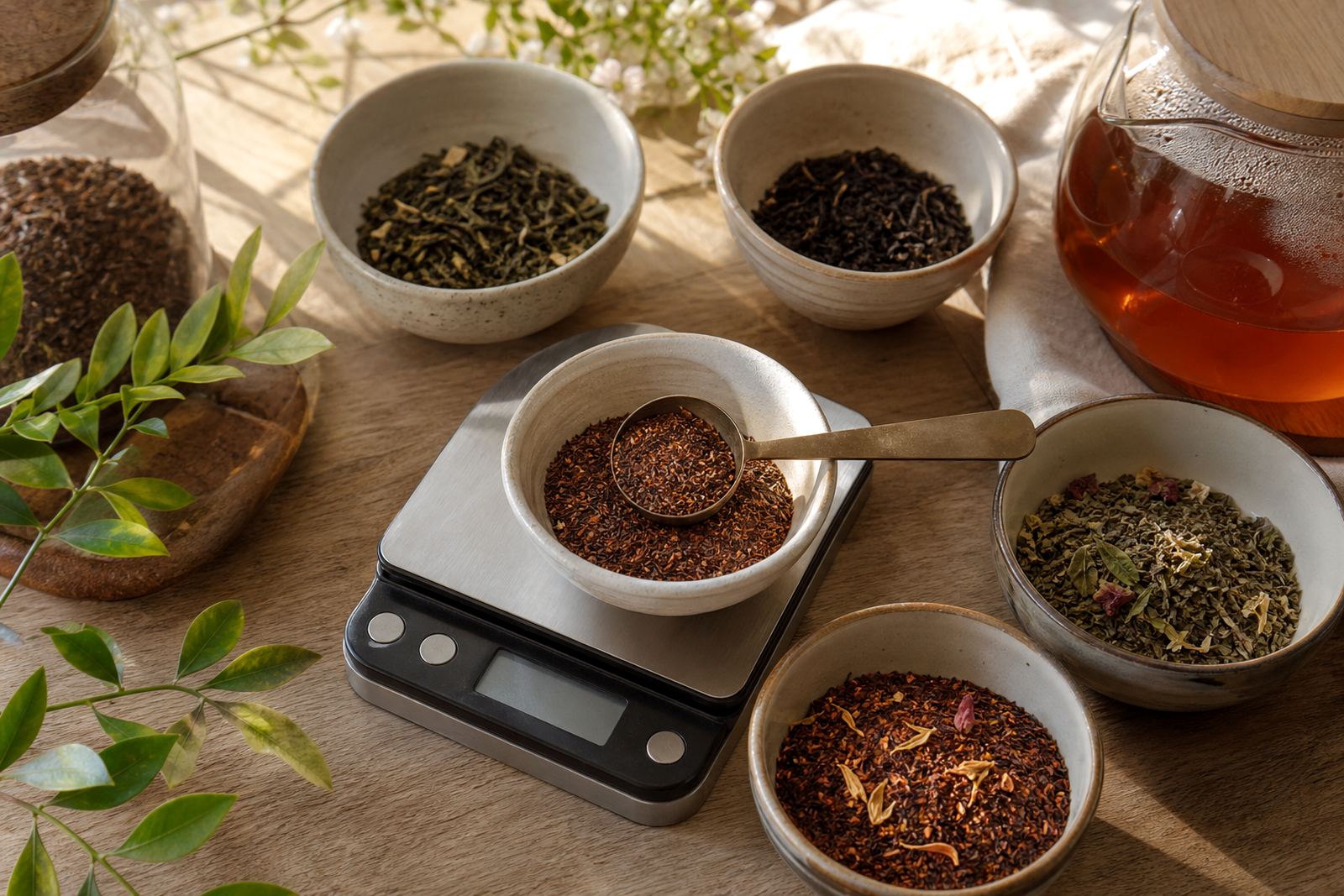
Good brewing is simple when you follow the same process each time. Use a clean mug or pot, measure the tea properly, and keep your steep time consistent. A level teaspoon is often enough for one cup, though lighter blends may need a little more and denser blends a little less.
For serving at home, in offices or at small events, this method works well and keeps the flavour steady from cup to cup. It is also easy to scale up if you are making tea for a table of guests in Stellenbosch, Somerset West or Paarl.
- Use 1 teaspoon per 250 ml water as a starting point
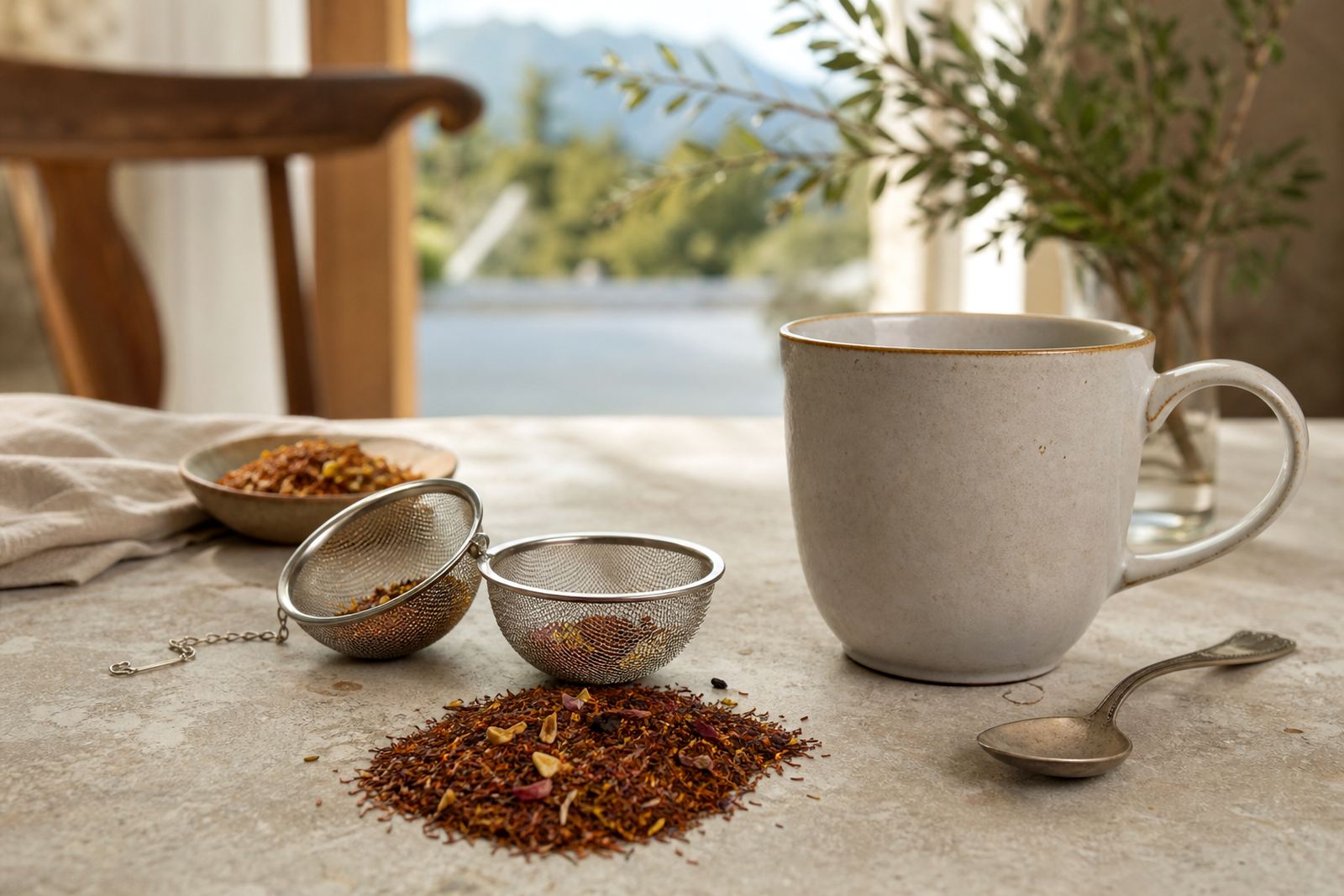
- Rinse the pot or infuser with hot water first
- Add the herbs and pour over the correct water temperature
- Cover while steeping to keep the aromatic oils in the cup
- Taste at the shortest recommended time
- Strain fully before serving
If you prefer a stronger cup, increase the amount of tea before you increase the steep time. That gives better control and usually avoids the bitter edge that comes from leaving herbs in too long.
Adjust For Volume, Storage And Load-Shedding Days
When you brew for more than one person, timing can change a little. A larger pot holds heat longer, so some blends continue drawing after you remove them from the water. If you are preparing tea in a meeting room or hospitality setting, keep the brew under a lid and decant it once it has reached the right strength.
On load-shedding days, many households and offices use kettles, flasks or gas. Keep your water fresh and avoid reheating the same kettleful too many times, as that can leave the tea tasting flat. In warmer weather, store opened herbal blends in airtight containers away from light and moisture. This matters in humid places and near the coast where herbs can pick up damp quickly.
- Brew in smaller batches if you want more control over strength
- Use a timer rather than guessing by colour alone
- Keep opened blends in sealed jars or pouches
- Label blends with the date opened if you use several at once
Pair The Right Brewing Method With The Right Occasion
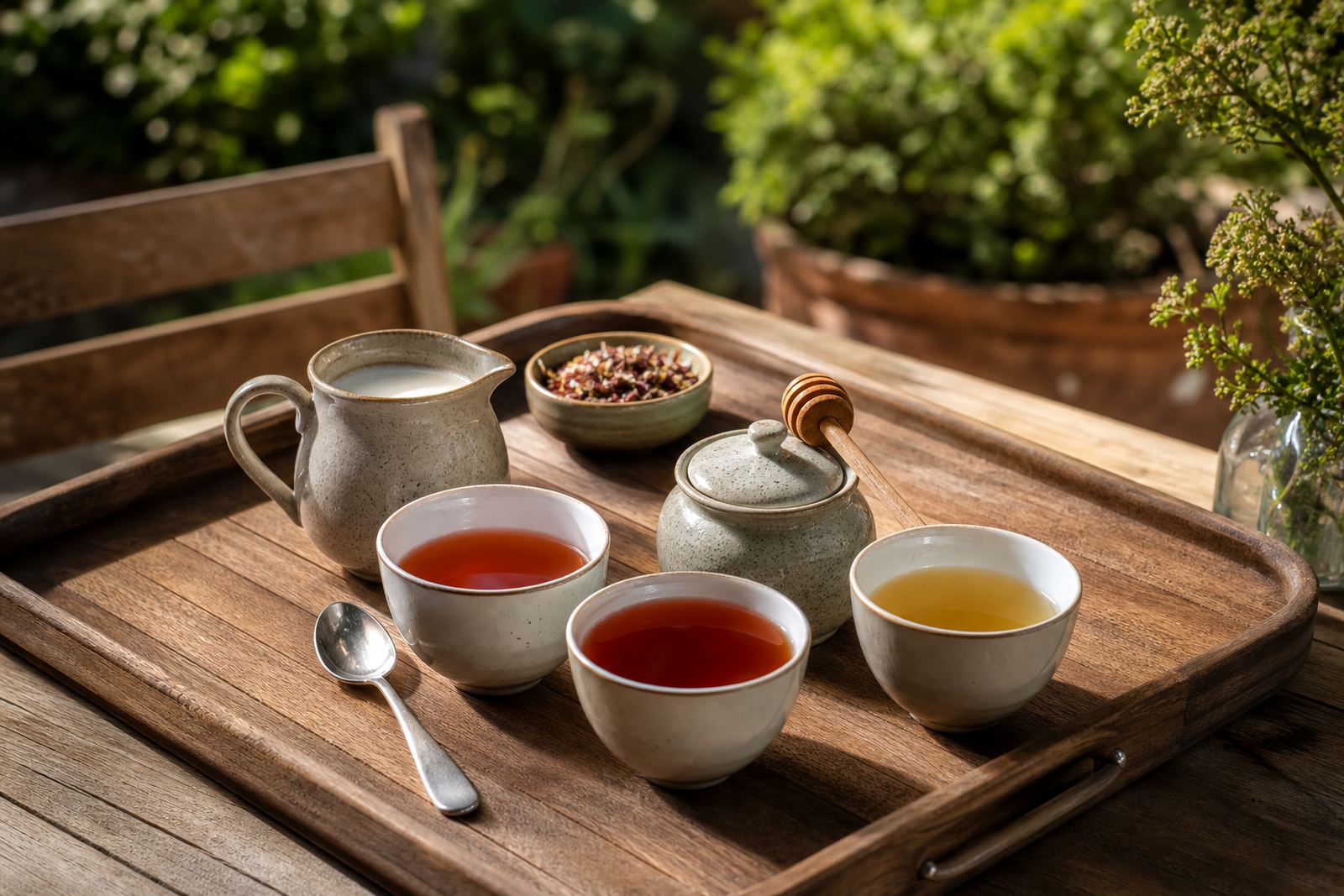
Different occasions call for different brewing styles. A calming chamomile or lemon balm blend suits a short evening steep. A rooibos and herb mix can handle a longer brew for guests after supper. For tasting sessions, keep the steep light first, then make a second cup a minute or two longer so people can compare the difference.
If you are serving tea at a wedding favour table, a corporate function or in a guest house, consistency matters more than experimenting. Use the same scoop, the same water amount and the same timer. That gives a dependable result and helps guests enjoy the flavour the way it was intended.
If a blend tastes too soft, add a little more leaf next time. If it tastes too strong, shorten the steep by a minute. Small adjustments make a big difference, and that is usually enough to get the balance right.