Start with fresh water and clean equipment
Black tea shows up every small mistake, so begin with water that tastes clean on its own. If the kettle has scale inside, descale it first because old mineral build-up can make the cup taste flat. In coastal areas like Cape Town or Durban, humidity can also affect stored tea, so keep your leaf in a dry tin or sealed pouch away from sunlight and stove heat.
Use fresh cold water rather than water that has been boiled and left standing. If you are brewing in an area with strong municipal flavour or hard water, filter it first if possible. That one step can improve the cup more than adding extra tea. Clean cups and strainers matter too, especially for loose-leaf tea where fine dust can cling to a filter and change the taste.
Measure the tea properly for the cup size
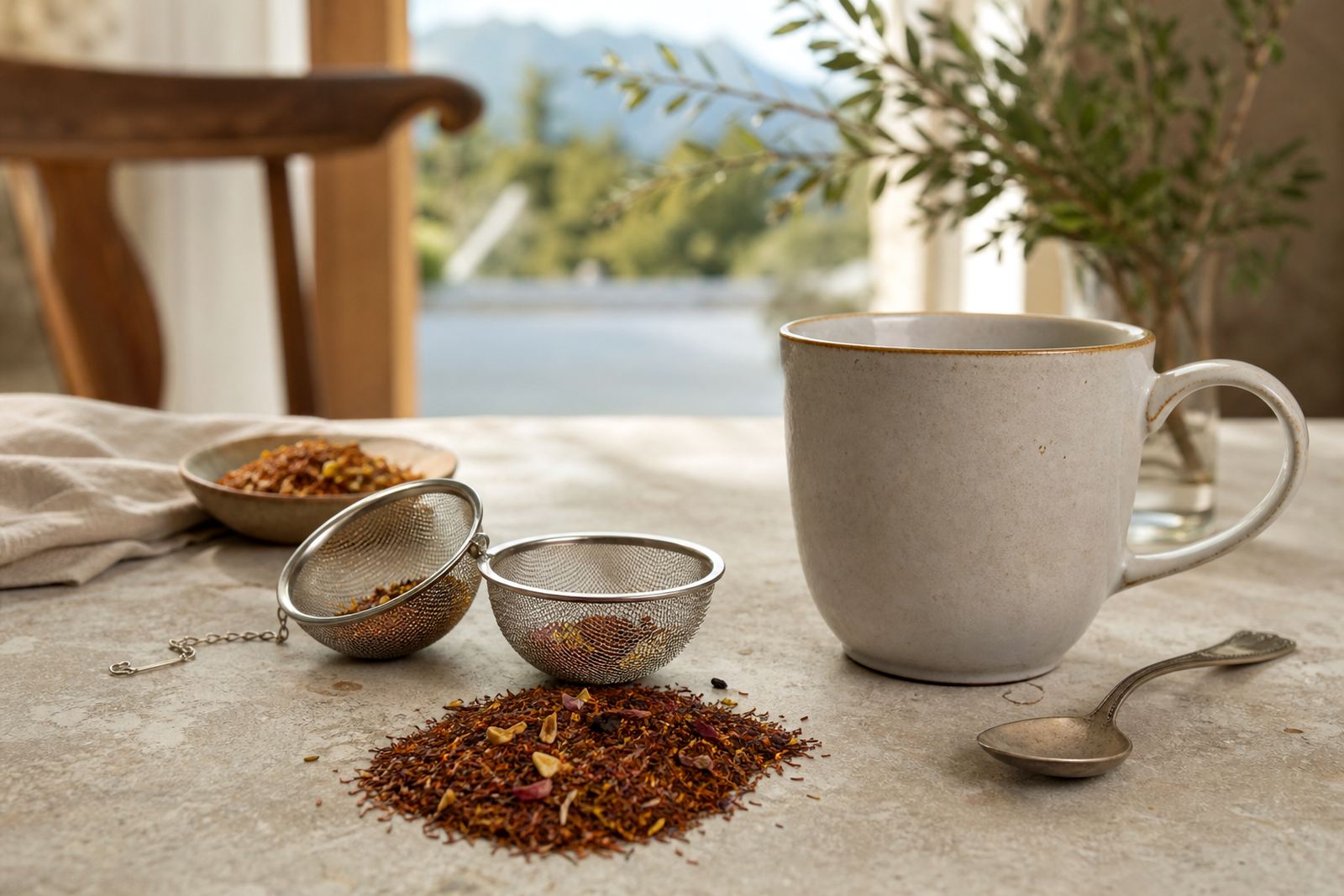
The most common reason black tea tastes bitter is too much leaf for the amount of water. A standard starting point is 2 g to 3 g of loose tea per 250 ml cup, or about one heaped teaspoon depending on leaf size. For a larger mug of 350 ml, increase slightly rather than packing the spoon full. If you are making a pot, keep the same ratio and scale it up evenly.
Different black teas need small adjustments. Broken leaf and smaller grades infuse quickly, while larger leaf teas often need a little more time but not more heat. Rooibos and herbal infusions are treated differently, so do not use the same measuring habit across every tea type. Black tea is stronger on flavour but not always stronger on leaf volume.
- 1 cup of 250 ml: 2 g to 3 g tea
- 1 mug of 350 ml: 3 g to 4 g tea
- 1 litre pot: 12 g to 15 g tea
- Use a kitchen scale if you want repeatable results
Heat the water to the right point, not to a rolling boil
Black tea needs hot water, but boiling water straight off a hard rolling boil can scorch delicate leaves and pull out sharp tannins too fast. For most black tea, pour water at around 95 degrees Celsius. If you do not have a thermometer, boil the kettle then let it rest for about 30 to 45 seconds before pouring. In winter, especially during load-shedding when kettles are used in batches, this small pause helps the water settle to a better brewing temperature.
Warm the pot or cup first if you can. A cold vessel steals heat and shortens the useful steeping time. This is handy in colder parts of the Western Cape or on a windy morning in Bloemfontein, where the cup can lose heat very quickly. Pre-warming keeps the infusion more even from the first second to the last.
Steep for flavour, then stop the brew on time
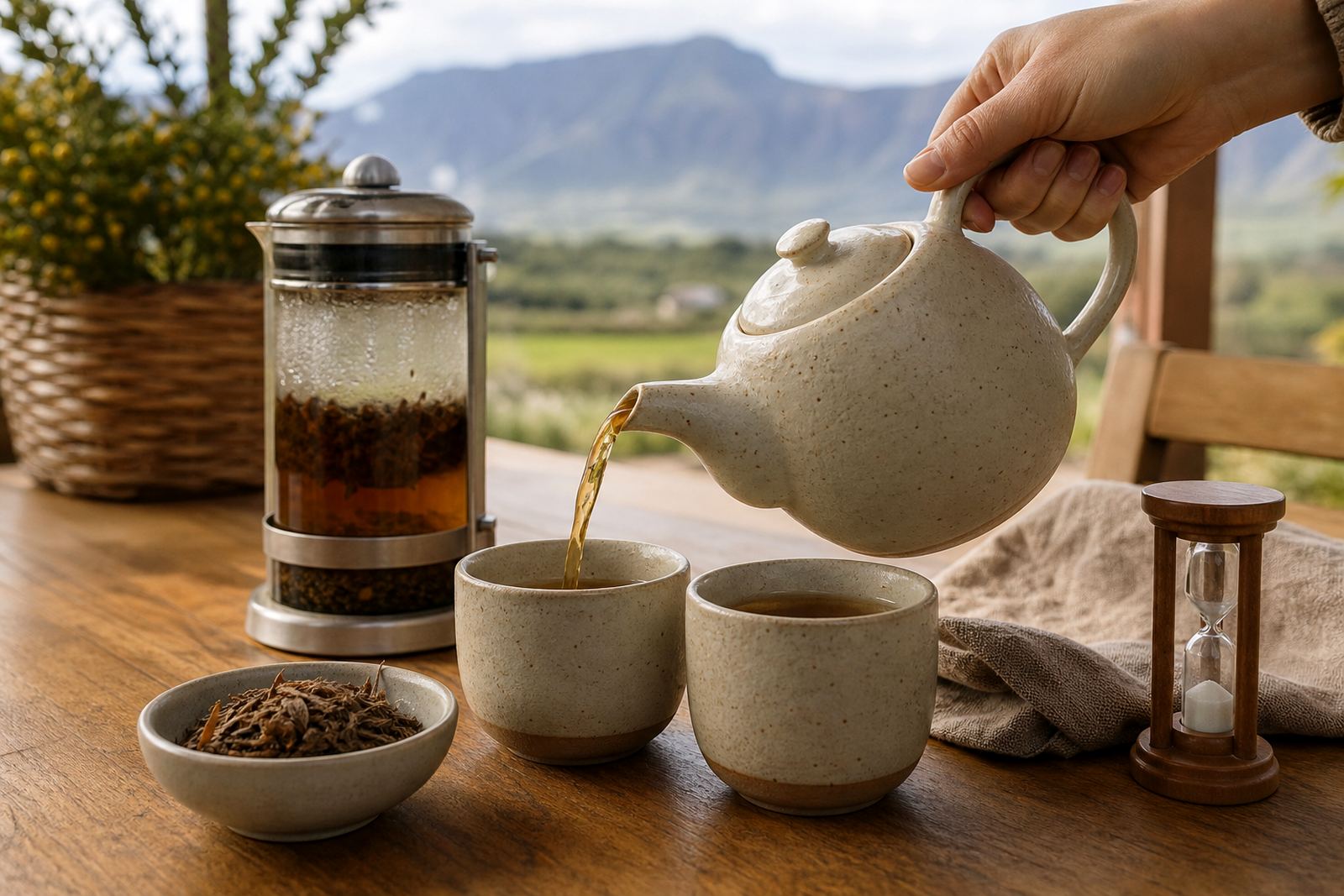
Steeping time decides whether your tea tastes rounded or rough. For most black tea, start at 3 minutes and taste at 4 minutes if you want a stronger cup. Once the tea reaches the level you enjoy, remove the leaves or strain the pot. Leaving them in too long keeps extracting bitterness, which can make the tea feel dry in the mouth and mask the natural sweetness.
Some tea drinkers like milk or lemon, but it helps to taste the tea plain first. That way you know whether the balance is coming from the leaf itself or from what you add after. If you are brewing for a group, keep one pot with a shorter steep and another a touch longer rather than trying to satisfy every palate with one overworked brew.
- Light cup: 2.5 to 3 minutes
- Medium cup: 3 to 4 minutes
- Strong cup: 4 to 5 minutes, then strain immediately
- Do not leave bags or leaves sitting in the mug after brewing
Adjust for milk, lemon or a plain cup
A balanced black tea should still hold its shape once you add milk or lemon. If you take milk, brew the tea a little stronger than you would for a plain cup, but not so strong that it turns harsh. For lemon, use a cleaner lighter brew because citrus can sharpen tannins quickly. Sugar or honey should support the tea, not cover a weak cup.
For a plain cup, look for a clear aroma and a smooth finish. You should taste malt, spice, honey or grain notes depending on the blend, not just a dry aftertaste. If the tea tastes too sharp, shorten the steep next time. If it tastes weak or watery, add a little more leaf rather than pushing the steep time too far.
Keep the tea fresh from the first scoop to the last cup
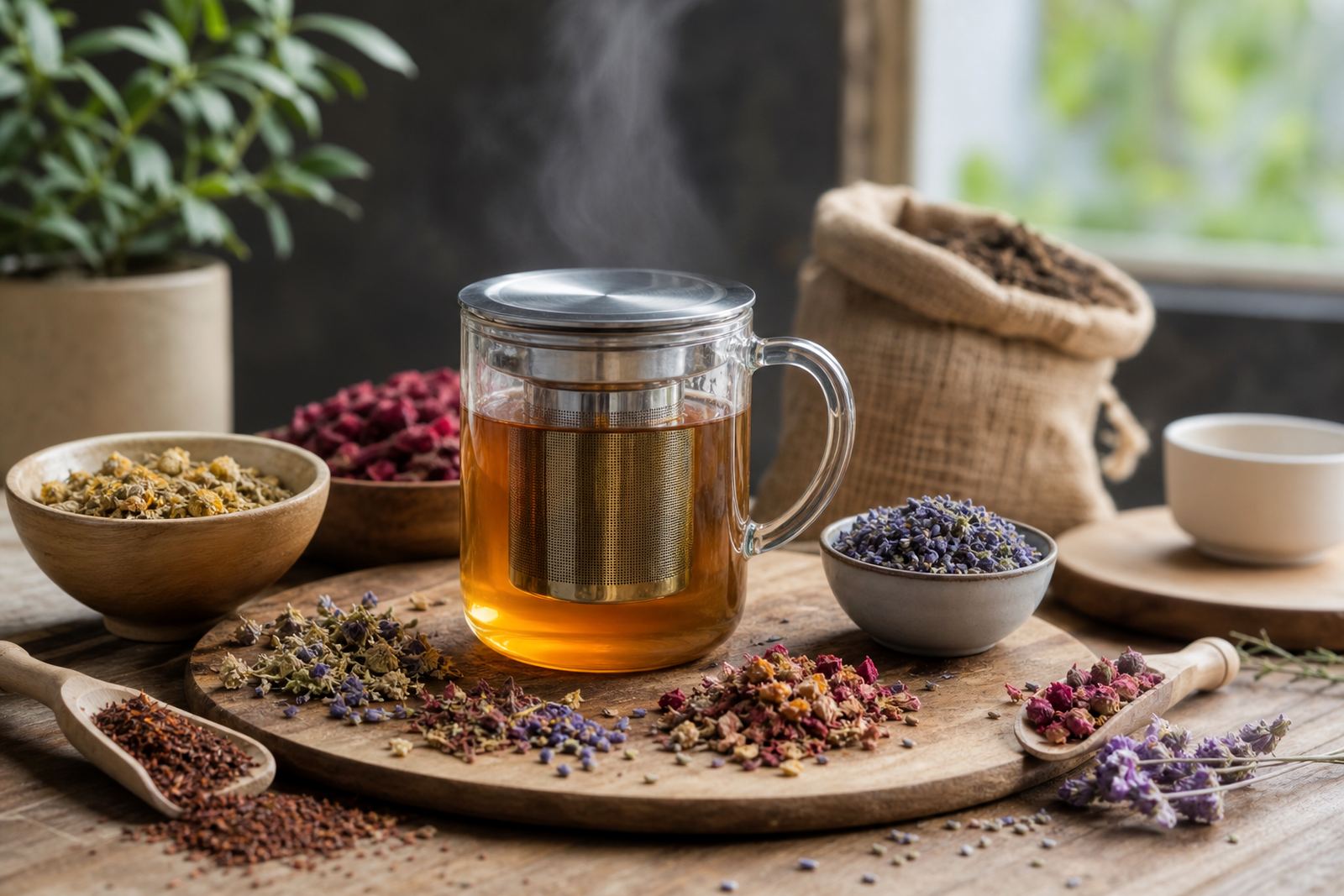
Loose-leaf tea stores well if you treat it correctly. Keep it sealed, dry and away from onions, spices or strong cleaning products because tea absorbs smells fast. In a busy kitchen, a tin or resealable pouch works better than an open jar. Rotate stock too, especially if you buy in larger packs for home, hospitality or office supply.
If you are serving tea for a guest table, an event, or staff room use, brew in smaller fresh batches rather than holding a pot on heat for too long. Tea that sits on a warming plate can turn flat and bitter. In South Africa where power cuts can interrupt service, many kitchens choose to brew, strain and hold tea in insulated flasks for a short time instead of keeping it on constant heat.
- Store in an airtight container
- Keep away from heat, steam and sunlight
- Use the oldest tea first
- Do not mix fresh tea with stale tea in the same tin