Choose the right pot size for the number of cups
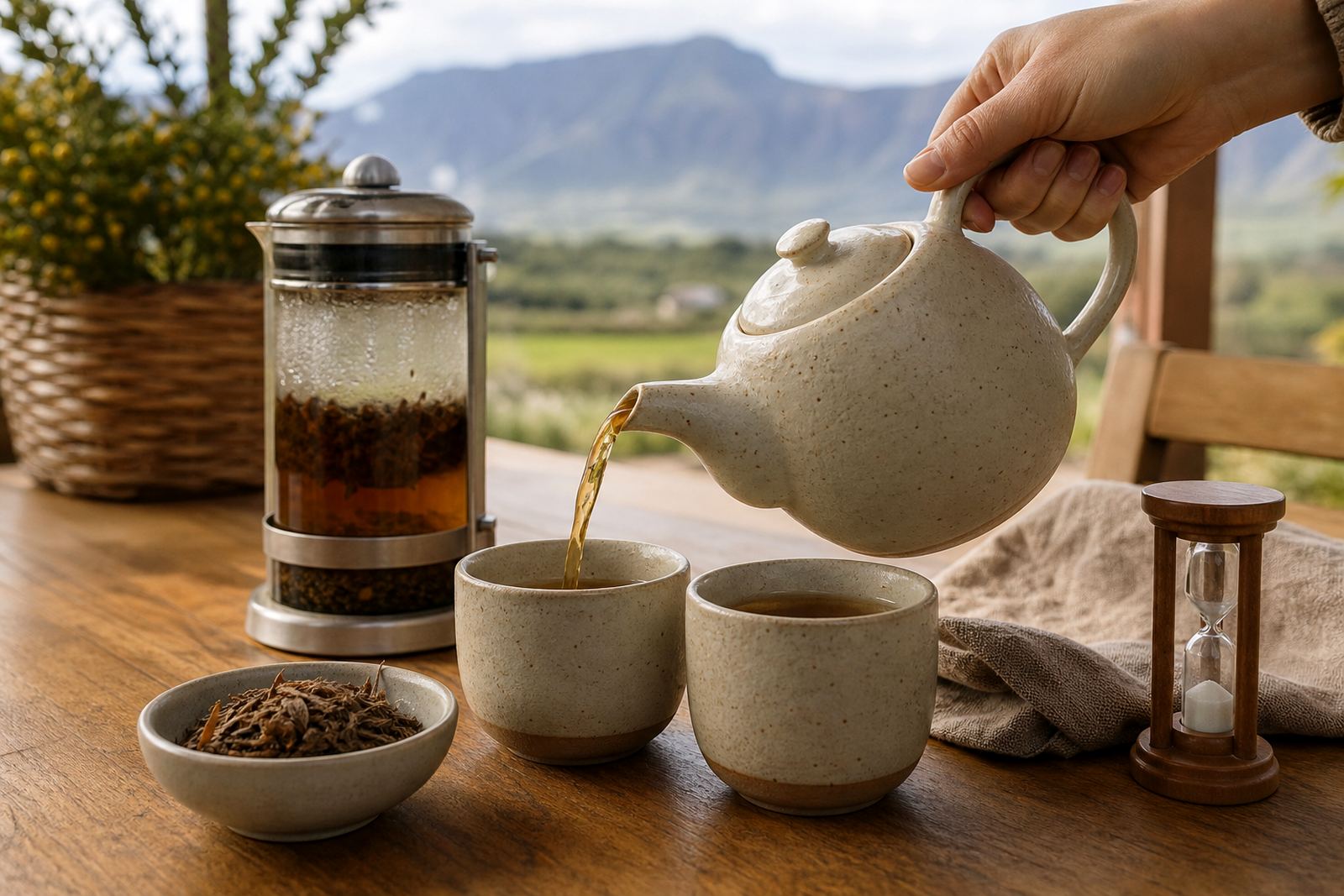
Start with the pot, not the tea. A small 500 ml pot suits 2 cups, while a 750 ml to 1 litre pot works better for 3 to 4 cups. If you fill a pot too full the leaves cannot move properly and the brew may come out flat or uneven. Give the leaves space to open, especially with whole leaf tea and rooibos that needs a bit of room to release flavour.
For a home table in Stellenbosch or a boardroom in Johannesburg, the simple rule is this: match the pot to the number of people, then allow a little extra water for warming the pot and topping up. A heavier pot also holds heat better, which helps during load-shedding when the kettle may cool quicker than expected.
- 2 cups: 500 ml pot
- 3 to 4 cups: 750 ml to 1 litre pot
- 5 or more cups: brew in batches or use two pots
- Use a lid that sits snugly to keep heat in
Measure the leaves before the water goes in
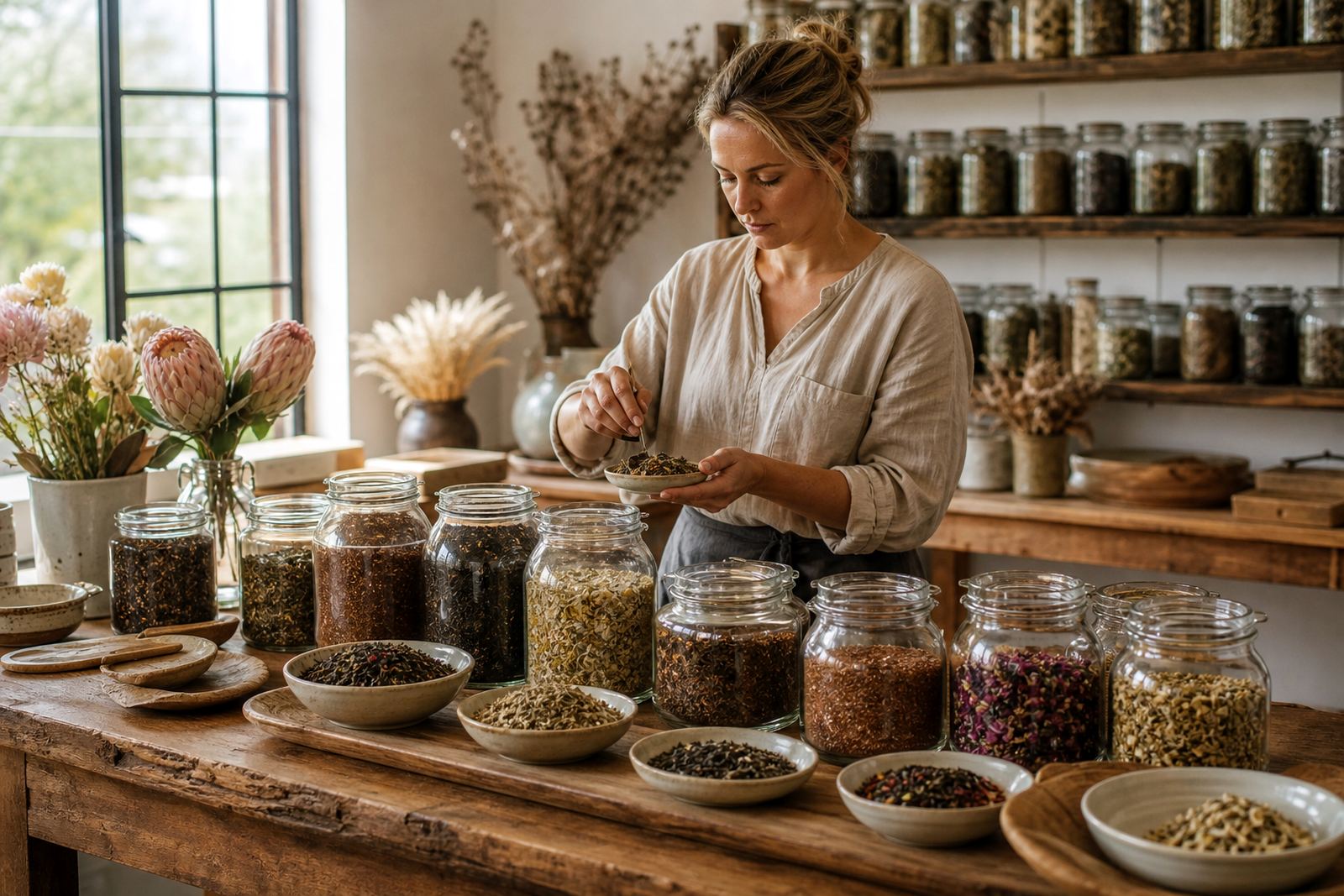
Loose leaf tea needs proper measuring. A level teaspoon is fine for lighter teas, but fuller leaf blends often need a little more. Rooibos is forgiving, yet it still benefits from enough leaf room so the water can pass through evenly. If you are brewing for guests or a small office, use the same measure each time so the flavour stays consistent from pot to pot.
A practical starting point is 1 teaspoon per cup, plus 1 extra teaspoon for the pot. For stronger tea, increase the leaf amount before you increase the steeping time. That gives a better result than over-brewing, which can turn some blends dull or bitter. In hotter coastal areas like Durban and Somerset West, a pre-warmed pot also helps the leaves start properly when the water is poured in.
- Use loose leaf, not packed tea bags, for better flow
- Measure first, then add water
- Keep the same spoon for repeatable results
- Adjust leaf amount before adjusting time
Heat the water to suit the blend
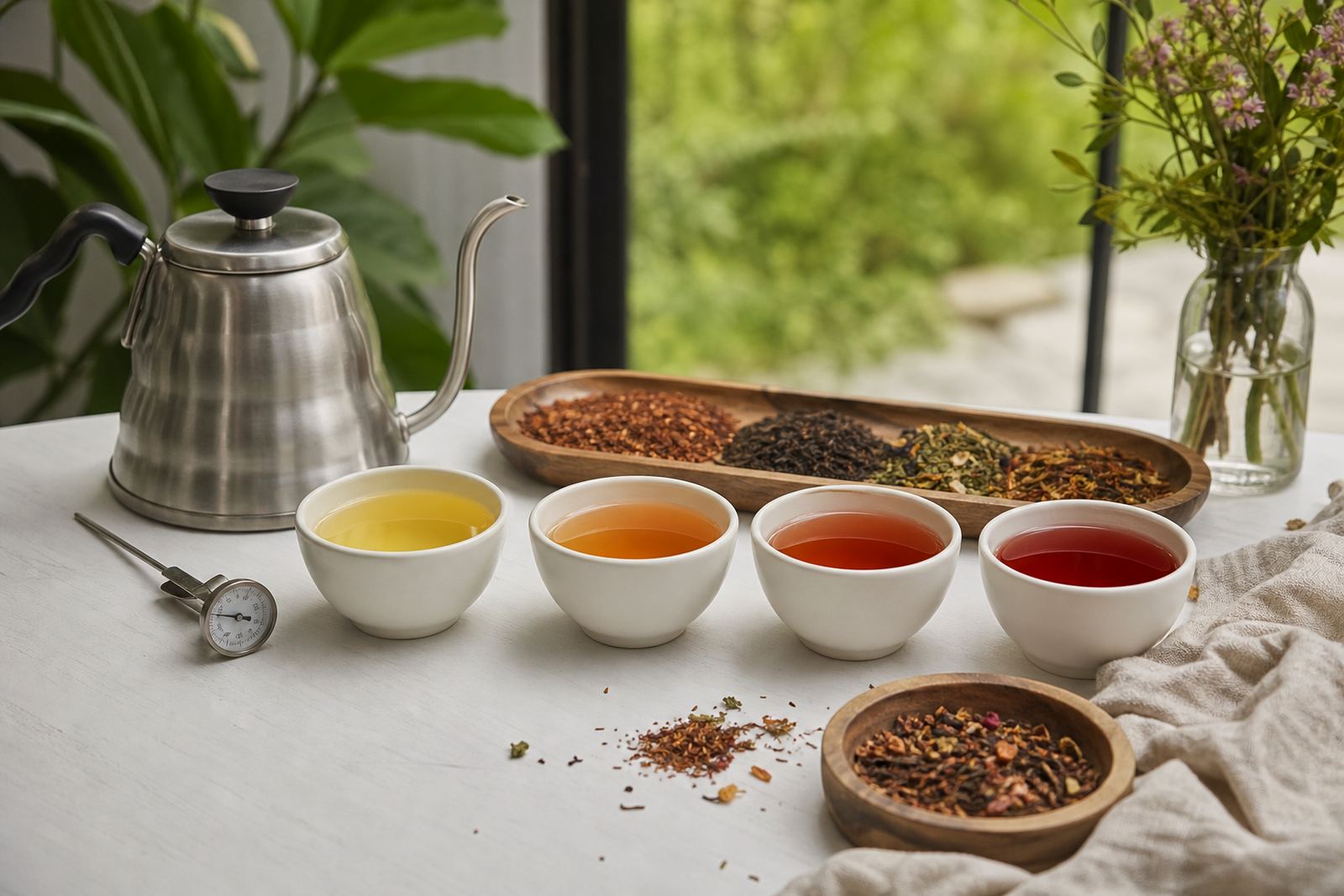
Water temperature matters just as much as the tea itself. Black tea blends usually prefer near-boiling water, while green teas and delicate herbal infusions do better with slightly cooler water. Rooibos can handle hotter water and still stays smooth, which is one reason it works so well for pot brewing. If you use boiling water straight off the boil, let it stand for a short moment before pouring over more delicate leaves.
In practical terms, you do not need fancy gear. A kettle, a pot and a timer are enough. If your area experiences power cuts, boil enough water for the whole pot at once so you do not have to reheat halfway through. That helps protect the timing and keeps the brew steady for everyone at the table.
- Black tea: use near-boiling water
- Green tea: let boiling water rest briefly before pouring
- Rooibos: hot water is suitable
- Herbal infusions: check the blend, as some need cooler water
Steep with a timer not guesswork
Once the water is in, start the timer straight away. For most loose leaf teas in a pot, 3 to 5 minutes is a good guide. Rooibos often sits comfortably in that range, while some herbal blends can go longer. If the pot is left too long, the flavour can become too strong for the first cup and too weak by the last, so timing keeps the whole pot balanced.
Do not press or squeeze the leaves at the end. That can push out harsh flavours, especially in finer blends. Lift the infuser or strain the tea cleanly, then pour. If you are serving in Paarl or Bloemfontein where people may want a second cup a little later, consider making a slightly lighter first brew so the last cup still tastes good.
- 3 minutes for a lighter cup
- 4 minutes for a fuller cup
- 5 minutes only if the blend can take it
- Remove leaves promptly once the timer ends
Pour evenly so every cup tastes the same
Serving from a pot is where many people lose the balance. The first cup can be weak if the pot is not stirred gently or if the tea has settled unevenly. Before pouring, give the pot one slow swirl. Then pour into each cup in turn. This helps the flavour stay more even from the first cup to the last, which matters when you are serving a lunch table or a client meeting.
If the pot has been standing for a minute, give it another gentle swirl before the final pours. Use warmed cups if possible, especially in winter in Stellenbosch or on cool Cape Town mornings, because cold cups pull heat out of the tea quickly. A warm cup keeps the flavour open a little longer, and the tea feels better from the first sip.
- Swirl the pot gently before pouring
- Pour in sequence for even strength
- Warm cups first when you can
- Top up with hot water only if the blend allows it
Set up a simple pot brewing checklist
A good tea ritual is mostly about preparation. Before guests arrive or before the office break starts, get everything ready on one tray. That way you are not hunting for spoons or lids once the kettle is off. A tidy setup saves time and avoids spills, which matters if you are serving in a hospitality space or at a small event where the flow has to stay smooth.
Use this quick checklist for a reliable pot every time:
- Pot clean and warmed
- Correct amount of loose leaf measured
- Water heated to the right temperature
- Timer set before pouring
- Cups warmed if possible
- Strainer or infuser ready
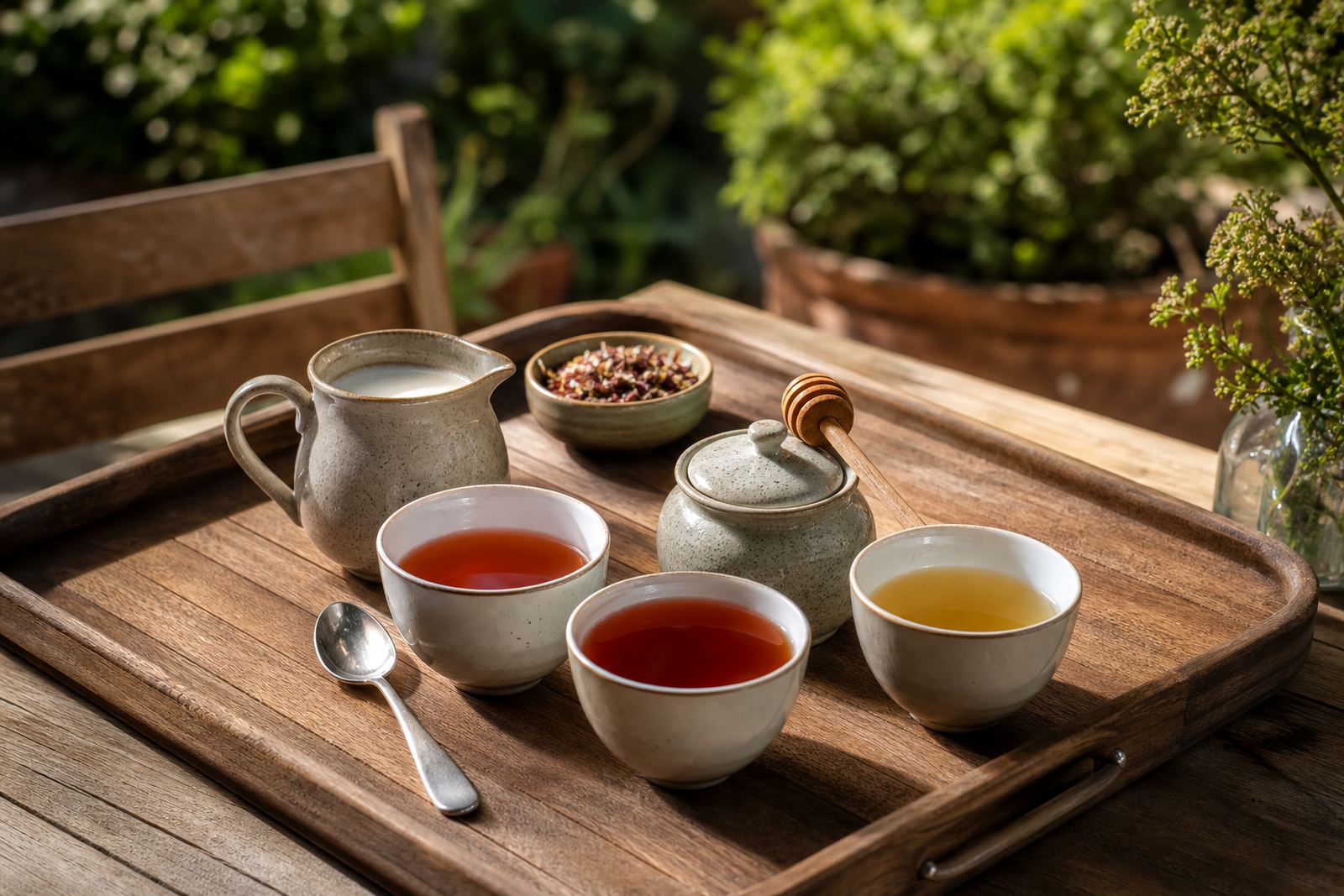
- Milk, honey or lemon placed on the side only if suitable for the blend
If you are brewing for a larger group, split the tea into two pots rather than overfilling one. That gives better leaf movement, cleaner flavour and less stress for the person pouring. It is a small change, but it makes the whole service more orderly.
Store brewed tea and dry leaves the right way
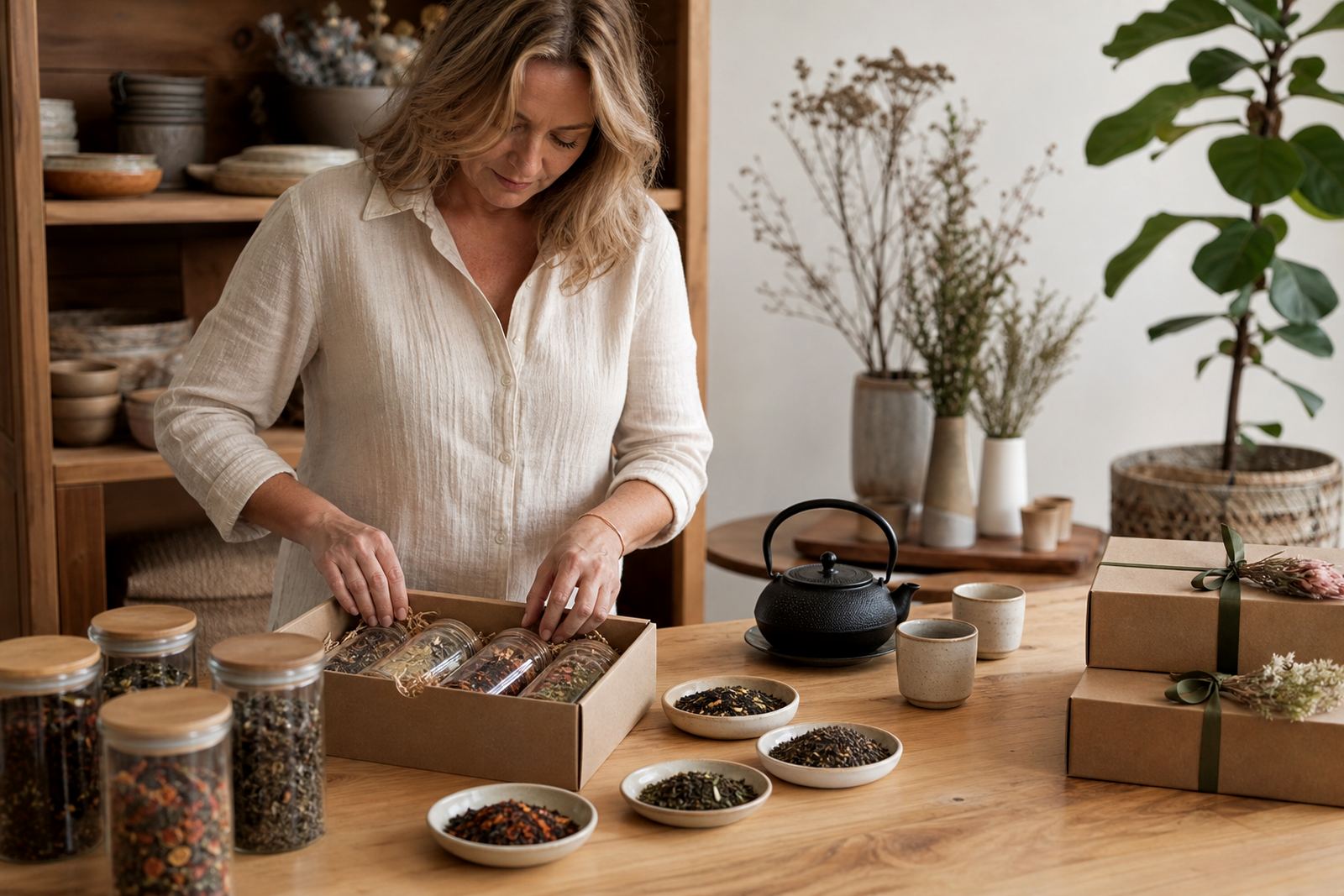
Loose leaf tea keeps best when it is stored in a cool dry cupboard, away from strong smells and moisture. Rooibos and herbal blends absorb odours easily, so keep them sealed properly after each use. If the weather is humid, especially along the coast, check that containers close tightly and do not leave tea open on the counter.
Brewed tea should be enjoyed fresh. If you need to hold it for a short while, keep it covered and off the heat so it does not cook further. Left too long on a hotplate, the flavour changes and can become dull or slightly bitter. For the cleanest cup, brew in smaller batches and refill the pot when needed. That takes a little more attention, but the result is better for everyone at the table.
With a steady measure, the right water and a proper timer, brewing in a pot becomes simple to repeat. It is one of the easiest ways to serve tea well, whether it is for family, guests, or a full tea service.