
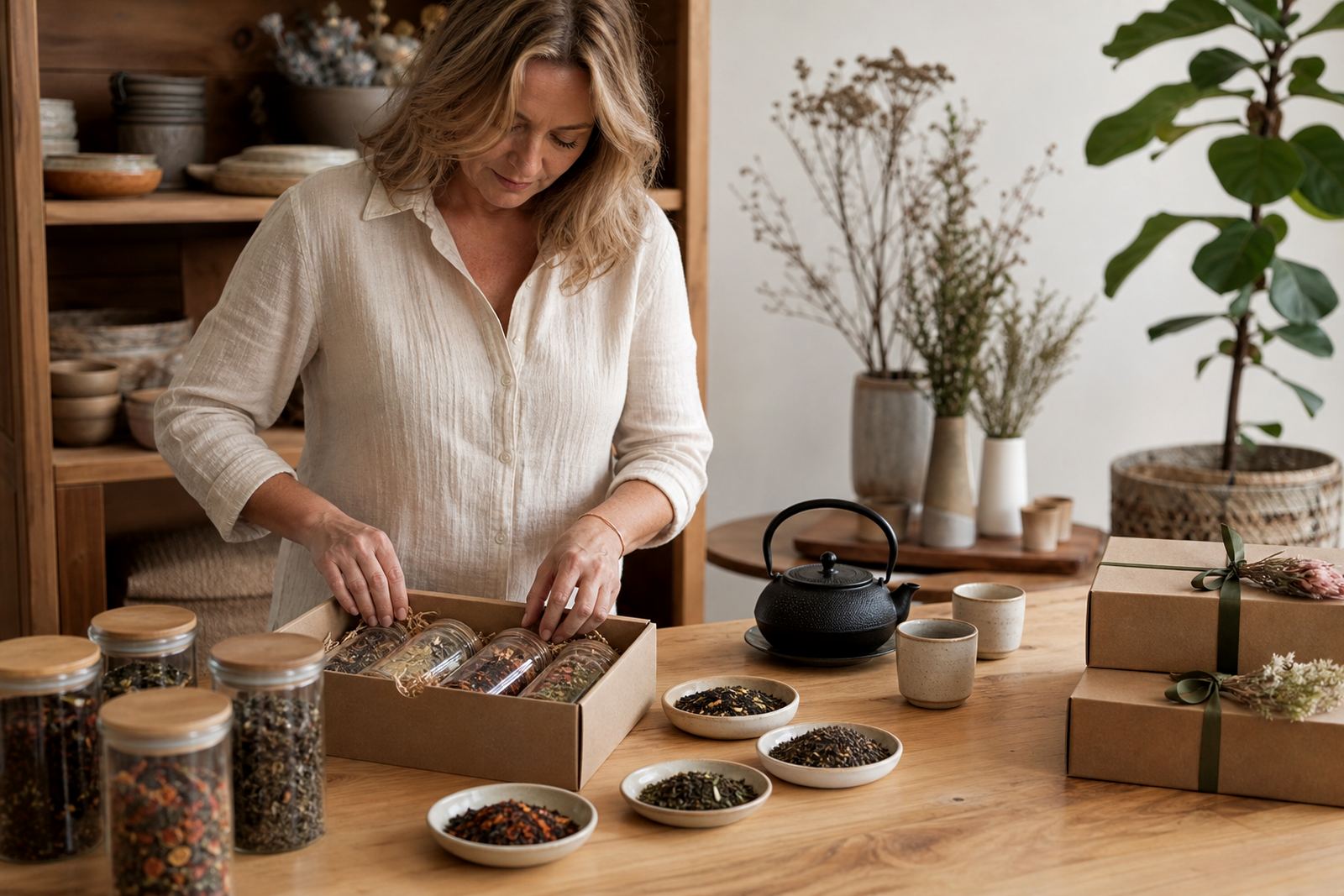
Why a tea ritual works on busy South African days
Self care does not have to mean a long bath, a full afternoon off, or a perfect quiet house. For many people in Stellenbosch, Cape Town, Johannesburg, Pretoria or Durban, the real challenge is finding a minute that feels like it belongs to you. That is where a tea ritual helps. It gives shape to a short pause, and that pause can be just enough to settle a racing mind.
Tea works well because it asks for a few simple steps. Boil the water, choose your blend, wait a little, sip slowly. That process gives your body and mind something steady to follow. It also suits the way many South Africans live now, with load-shedding schedules, school runs, long commutes and work that starts before the sun is properly up. A small ritual can fit into that pressure without needing much time or equipment.
The point is not fancy ceremony. It is consistency. When you make tea at roughly the same time each day, your brain starts to associate that moment with a shift in pace. Even five minutes can help. A warm mug in your hands, a quiet corner, and no phone for a short while can be enough to mark a boundary between doing and resting.
Choosing a blend that suits the kind of pause you need
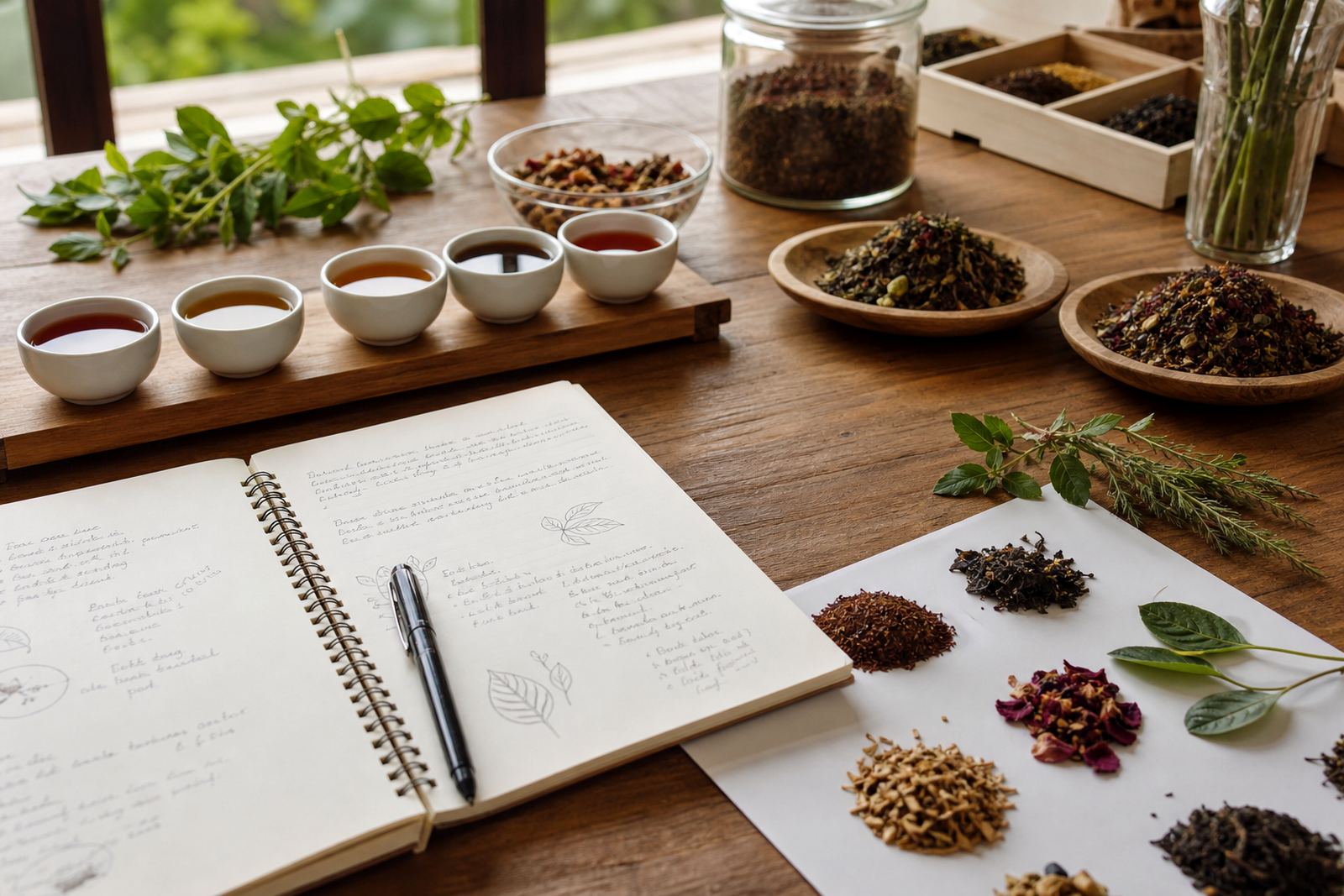
Different teas suit different moments. If you want a clean, lifted feeling in the morning, a loose-leaf black tea or a lighter rooibos blend can work well. If you want something softer later in the day, herbal infusions are a better fit. The trick is to match the cup to the moment, not to force yourself into one routine that never changes.
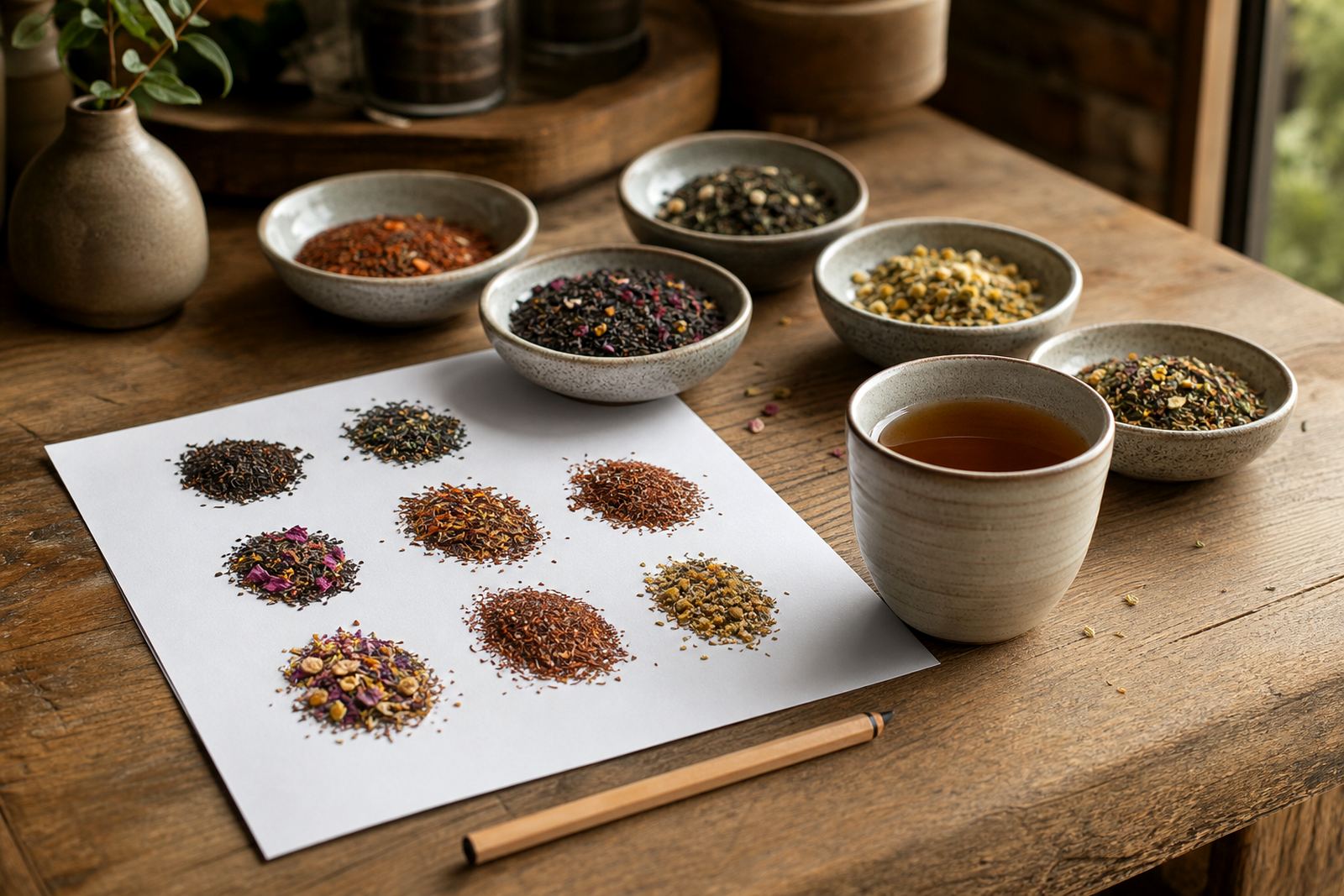
Cup Of Tea Co works with loose-leaf teas, rooibos and herbal infusions, including blends that speak to local tastes and the everyday rhythm of South African homes. Rooibos is especially useful for self care because it is naturally caffeine-free and easy to enjoy in the afternoon or evening. Herbal blends can be helpful too, especially when you want a lighter cup after lunch or before bed. If you enjoy sweeter notes, look for vanilla, cinnamon, honeybush or fruit-led blends. If you prefer something more grounded, earthy rooibos or mint-led infusions may suit you better.
- Morning: choose a stronger, brighter blend to wake up slowly
- Midday: use a lighter cup to mark lunch or a quick break
- Evening: go caffeine-free so your wind-down starts earlier
- Weekend: try a special blend and make the pause last a bit longer
When tea tastes good, you are more likely to return to the ritual. That matters more than making it complicated.
How to build a five-minute tea pause that you will actually keep
A good ritual needs to be realistic. If it asks too much, it gets dropped. Start with five minutes and keep the routine plain. You do not need special cups or a long list of rules. You just need a repeatable pattern that fits around your day.
Try this simple structure: put the kettle on, choose one blend, step away from your phone, and sit down while the tea steeps. Once it is ready, take three slow sips before you look at messages again. That small rule gives the moment a beginning and an end. It also keeps the pause from being swallowed by work notes, family chats or social media.
- Choose one fixed time, such as 10am or after lunch
- Keep the tea things in one place so there is less faffing about
- Use the same mug or cup to make the habit feel familiar
- Set a timer for steeping if you are easily distracted
- Leave the cup untouched for the first minute and just breathe
If your mornings are full of noise, use tea as a reset after the first rush. If your evenings are the only quiet time, let tea mark the end of the day. The best ritual is the one you can keep on ordinary Tuesdays, not just on calm weekends.
Using tea to ease the edges of work, study and family life
Tea can help turn a difficult stretch into something more manageable. In a home office in Somerset West, for example, a parent may be moving between messages, homework help and dinner prep while the power is on and off. A short rooibos break after the school run can become the point where the day changes gear. It is not a cure for stress, but it gives the mind a moment to regroup.
In offices, tea can also create a better rhythm. A proper tea pause helps people step away from the screen, stretch their shoulders and return with a bit more focus. That is useful when the aircon is drying out the room, the phones do not stop ringing, or the afternoon slump hits just before the last meeting. For people working from home, the same idea applies. Tea gives shape to the day so it does not blur into one long, tired block.
Self care often sounds large and expensive, but a cup of tea can be practical, affordable and available every day. That is why many households use it as a small anchor. It is easy to repeat, easy to share and easy to adapt when schedules change.
A local example from Stellenbosch to the coast
Picture a weekday in Stellenbosch Central. The morning starts early, the inbox is already full, and there is a courier drop-off to manage before lunch. By mid-morning, the pace is quick and the mind feels scattered. Instead of pushing straight through, you put the kettle on and make a rooibos blend with a little citrus. You sit by the window for five minutes and let the cup do its work. The day is still busy, but it feels less sharp after that pause.
That same habit travels well. In Cape Town, it can be the cup you make before the school run or between client visits. In Durban, it can be the cool-down after a hot afternoon. In Pretoria, it may be the quiet break between meetings. Across South Africa, the setting changes, but the need is much the same. People need small moments that help them stay steady.
For homes, guesthouses, cafés, offices and gifting, tea is also a simple way to show care for others. A well chosen blend says someone thought about the moment, not just the task. That is why tea feels personal even when it is shared in a group setting.
Keep the ritual simple enough to repeat tomorrow
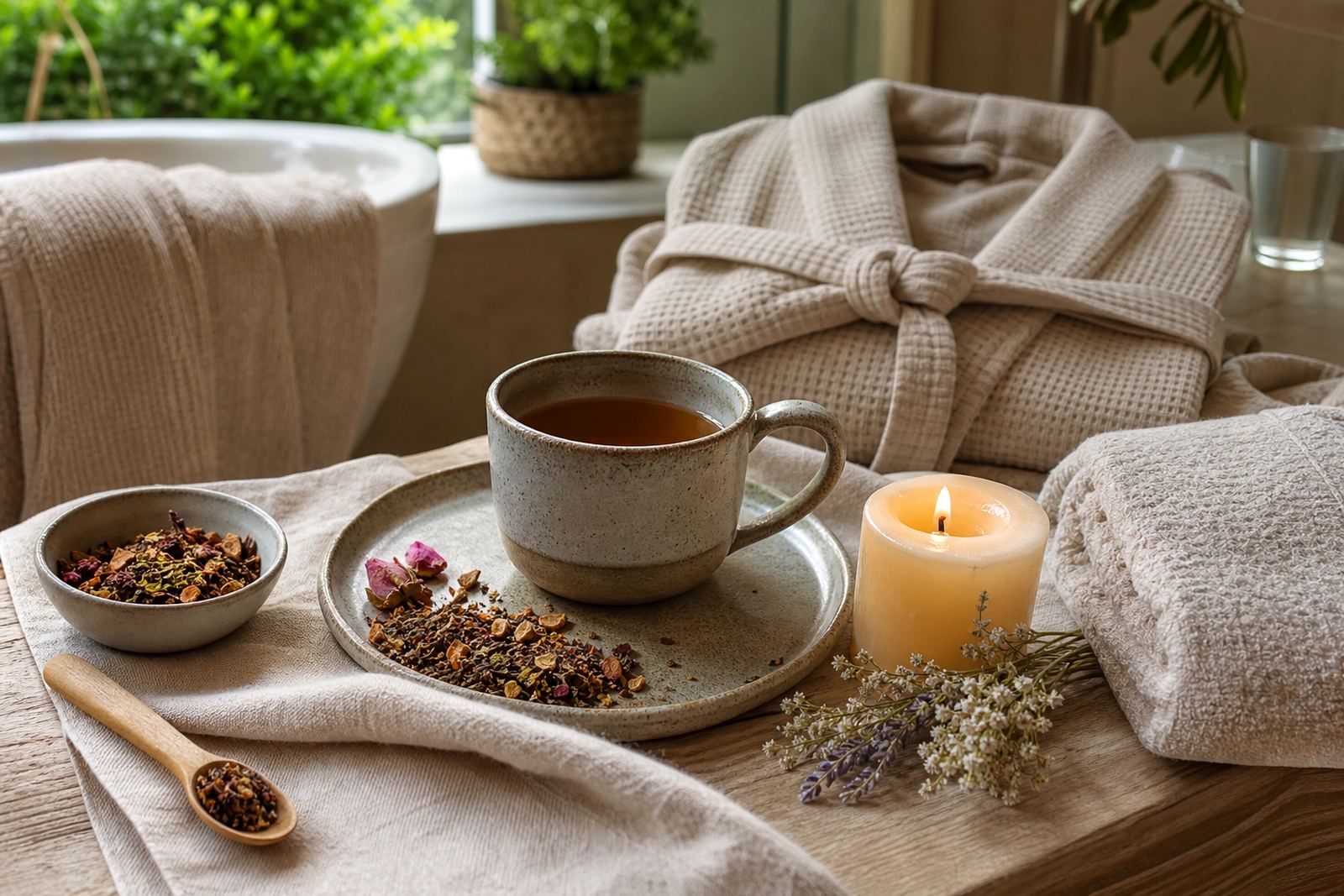
The easiest self care habits are the ones that fit real life. A tea ritual does not need candles, music or a perfect view. It needs a little intention and a blend you enjoy. Keep the steps short. Keep the cup close. Let the tea become the pause you can reach for when the day starts running too fast.
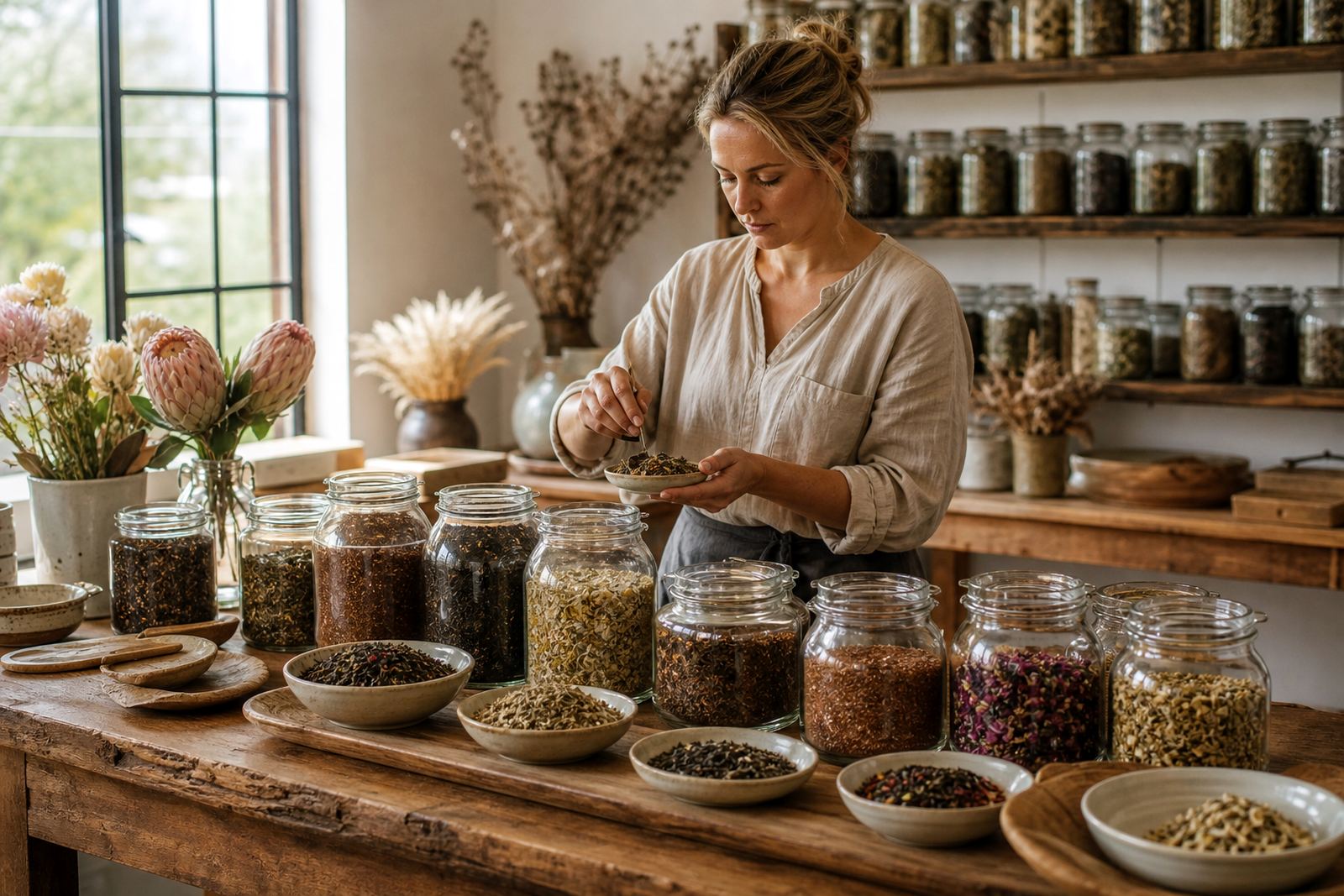
At Cup Of Tea Co in Stellenbosch, the focus is on loose-leaf teas, rooibos and herbal infusions that suit everyday use as well as special moments. Some customers want a box for home, others need tea for the office, hospitality setting or gifting. The common thread is the same: a cup that helps people slow down for a minute and carry on with a bit more ease.
- Make tea part of a routine you already have, such as after breakfast or after lunch
- Choose a blend you look forward to, not one you feel you should like
- Keep the pause short so it feels achievable on busy days
- Return to the ritual on ordinary days, not only when you feel overwhelmed
When tea is used well, it does not take time from your day. It gives a little back.