Start With A Small Range That Covers The Main Tastes
A tea menu works best when it gives people clear choices, not too many of them. In a café, guesthouse or conference setting, 6 to 10 teas is usually enough to cover the main preferences without creating waste or confusion. Start with the teas your guests are most likely to ask for, then add a few interest options for customers who want something different.
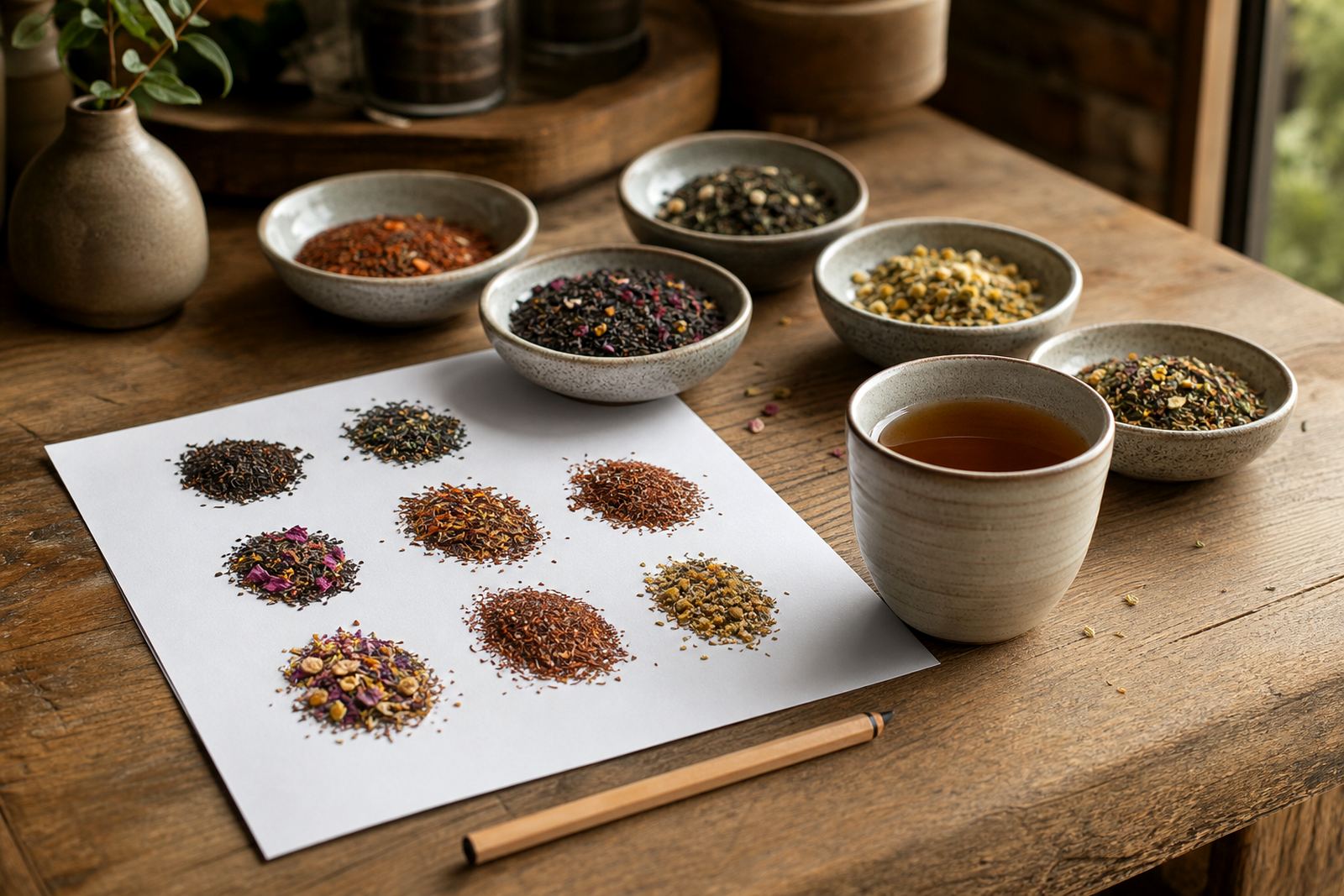
A practical base range might include a classic black tea, a decaf option, green tea, rooibos, a mint blend, a chamomile blend and one or two flavoured teas. In South Africa, rooibos should almost always have a place on the list. It is familiar, caffeine free and suitable for morning, afternoon and evening service. That makes it one of the easiest teas to keep moving.
- 1 everyday black tea
- 1 decaf or low caffeine option
- 1 straight rooibos
- 1 herbal calm blend
- 1 refreshing mint or citrus blend
- 1 flavoured signature tea
Group Teas By Function So Guests Order Faster
How you present the menu matters almost as much as what is on it. Group teas by what people want from the cup, not only by tea type. That makes the list easier to scan and helps staff answer questions quickly. For example, a guest may not know whether to choose rooibos or herbal infusion, but they will know they want something caffeine free or something refreshing after lunch.
One useful structure is to split the menu into morning, caffeine free and speciality options. This keeps the page neat and it also makes upselling easier because the choices feel logical. If your venue serves breakfast, you can place the stronger teas near the top. If you run afternoon service, put the lighter blends and fruity infusions in a more visible position.
- Morning teas: black tea, breakfast blend, strong rooibos
- Light teas: green tea, mild floral blends, white tea if you use it
- Caffeine free: rooibos, chamomile, mint, honeybush, lemon and ginger
- Speciality: seasonal blends, signature house tea, dessert pairing tea
Match The Menu To The Setting And The Time Of Day
A hotel breakfast room in Stellenbosch does not need the same tea list as a wedding venue in Somerset West or a staff canteen in Cape Town. Think about the people using it, the time of day and how the tea will be served. A breakfast buffet needs quick, familiar options. An afternoon tea menu can carry more flavour and a bit more detail. A hospitality menu for guests may need a short explanation beside each blend so people know what they are choosing.
For a business breakfast, keep the list simple and dependable. For a high tea or private event, you can add seasonal blends, floral teas and a sweeter rooibos option. If the venue is coastal, choose packaging and storage that keeps the tea dry and protected from humidity. In hotter months, lighter blends and iced tea options can work well too, especially in Durban or along the Western Cape coast.
Load-shedding also affects service planning. If kettles, urns or warming equipment are used, the tea menu should still work when power is off. Keep brewing instructions simple and make sure staff can prepare each tea with basic hot water access only.
Build Prices, Portions And Service Into The Menu
Tea is often treated as an afterthought, but the menu should reflect the real cost of service. That includes the tea itself, filters or sachets, milk, lemon, sugar, honey, staff time and breakage risk. If you price too low, tea becomes a loss leader. If you price too high, guests may skip it unless the menu feels worth the spend.
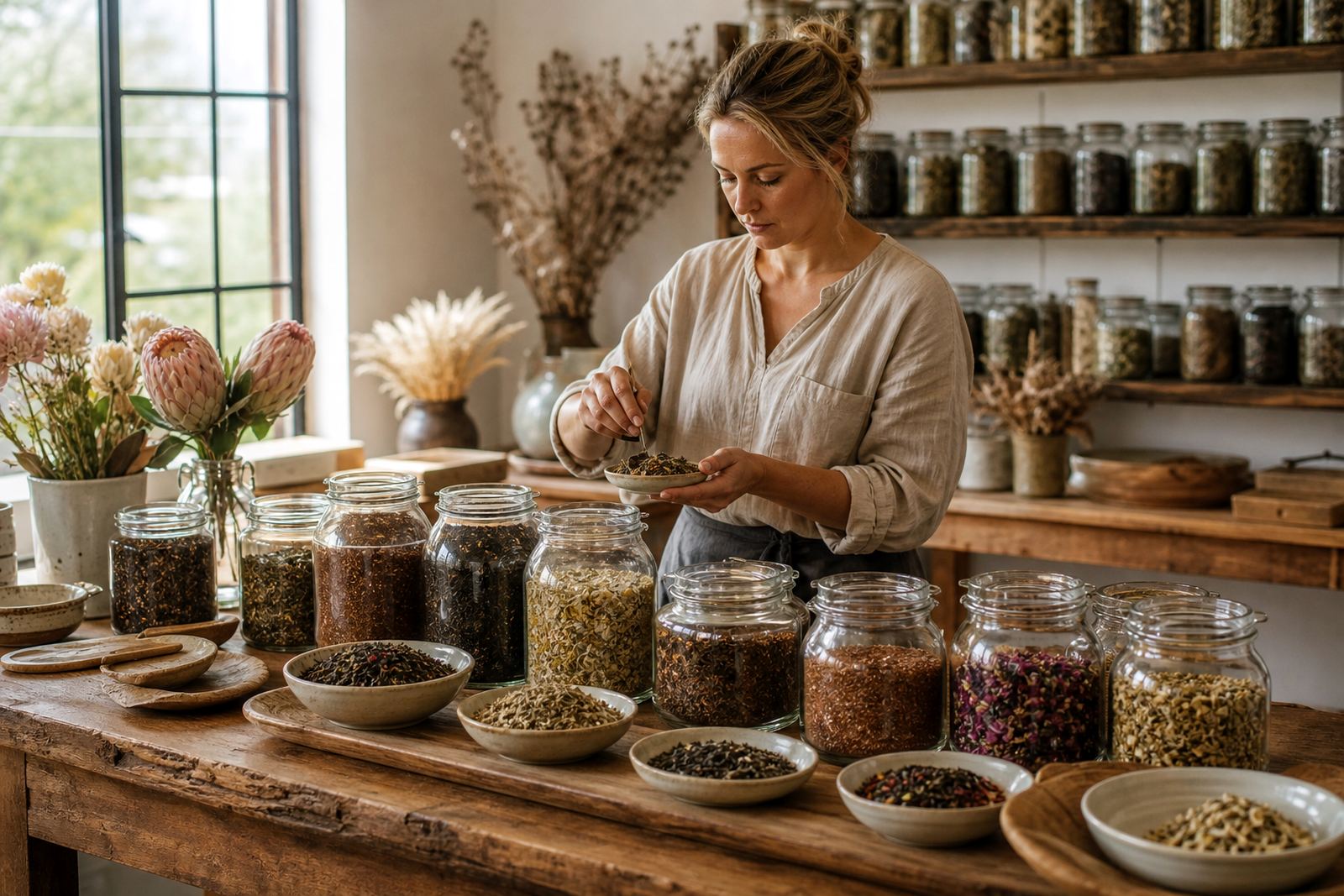
The simplest way to manage this is to standardise portions. Decide how much tea goes into one pot, one mug or one cup. Then write the menu around that portion. This helps with stock control and keeps flavour consistent across the day. It also makes ordering easier for catering teams and office supply clients, who need repeatable quantities rather than guesswork.
- Use one scoop or sachet size per serving
- Set a clear brewing time for each tea
- Note whether milk, honey or lemon suits the blend
- Keep one price point for standard teas
- Add a separate price for premium or speciality blends
Use Taste Notes That Help Without Overexplaining
Tea descriptions should be short and practical. Guests do not need a full essay, just enough detail to choose with confidence. A good menu note should tell them whether the tea is floral, earthy, minty, spicy or smooth, and whether it is caffeine free. That is usually enough to reduce questions at the counter.
Keep language simple. For example, “smooth rooibos with vanilla” is more useful than a long poetic line. “Mint and lemongrass for a fresh finish” gives a clear idea of the flavour. If a blend is best without milk, say so. If it suits a cold brew or iced service, note that as well. Staff will serve faster and guests will feel more comfortable ordering something new.
- Say what it tastes like in plain words
- State if it is caffeine free
- Note milk, lemon or honey pairings
- Mention seasonal or limited teas clearly
A Stellenbosch Example For A Balanced Tea List
For a small guesthouse or wine estate in Stellenbosch, a neat tea menu could include a classic black tea, breakfast rooibos, pure rooibos, peppermint, chamomile, lemon and ginger, a green tea and one signature blend for the house. That gives eight choices, which is enough for variety without making the cupboard too full. It also gives something for early risers, afternoon visitors and guests who want a caffeine free cup after dinner.
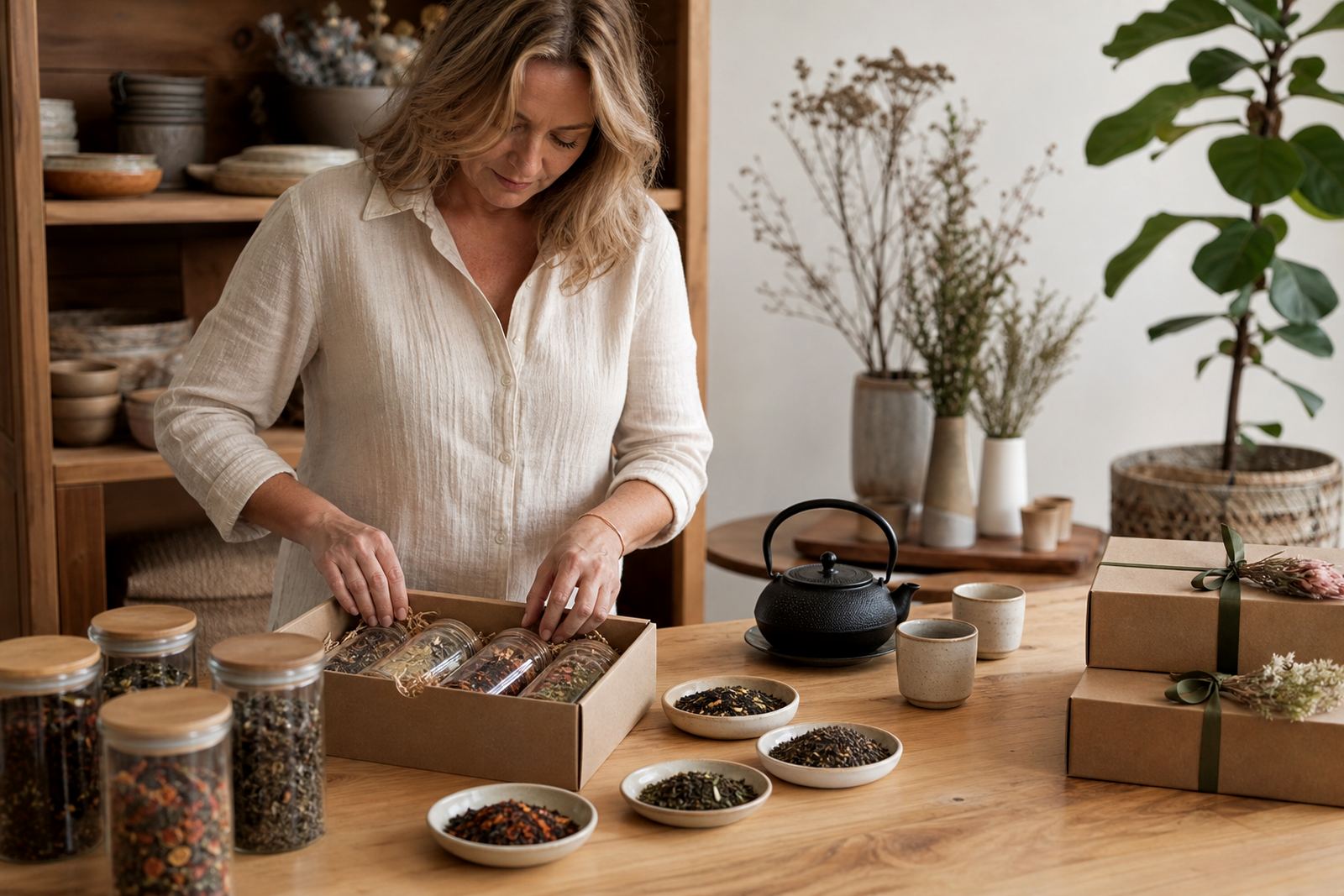
If the venue hosts tastings, weddings or corporate lunches, the same core range can be extended with a second rooibos blend or a seasonal infusion for gifting and table service. The key is to keep the list stable and only rotate one or two lines at a time. That way the menu stays familiar, the kitchen keeps control of stock, and the front of house team can explain every tea without hesitation.
A tea menu does not need to be large to work well. It needs to be clear, balanced and easy to run day after day. When the list matches the setting, guests order faster and the tea feels like part of the service rather than an extra task.