Rooibos comes from a South African plant, not a tea bush
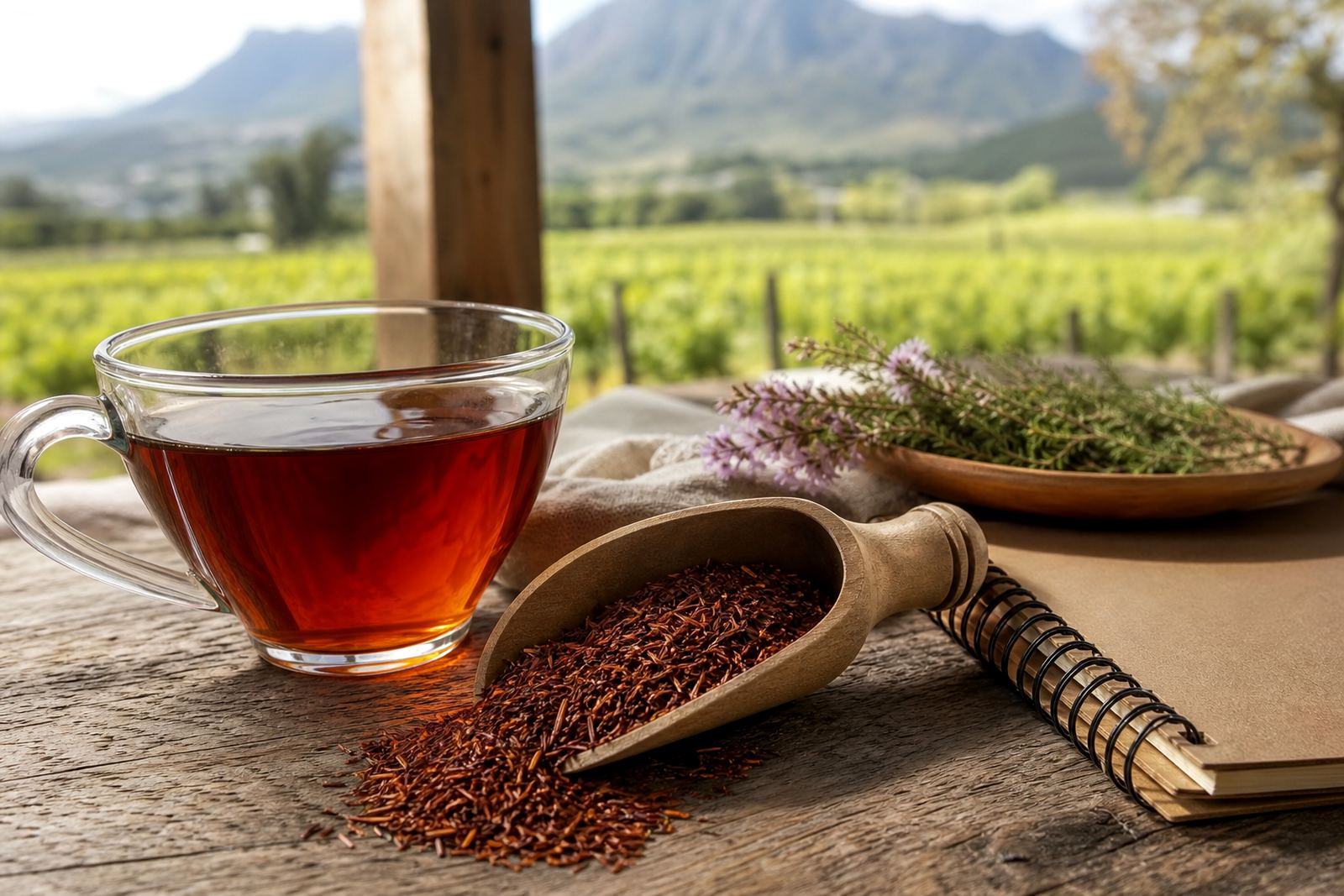
Rooibos is made from the leaves and fine stems of Aspalathus linearis, a shrub that grows naturally in the Cederberg and parts of the Western Cape. It is not a black tea or a green tea, and that matters because the flavour, colour and brewing style are different. Once the plant has been harvested, it is bruised, oxidised and dried to bring out the familiar amber-red cup people know as rooibos.
For many South Africans, rooibos is part of daily life. It is served after supper, packed into school lunch routines, and offered to visitors because it feels familiar and gentle. It also suits the way many households drink tea now, with less sugar and fewer strong tannins than traditional tea blends.
What rooibos tastes like in the cup
A good rooibos should taste smooth, slightly sweet and earthy, with a soft woody note. It does not have the sharp bite that some tea drinkers find in black tea. When it is well handled, the cup is clean and rounded, with a warm finish that works on its own or with milk, honey or lemon.
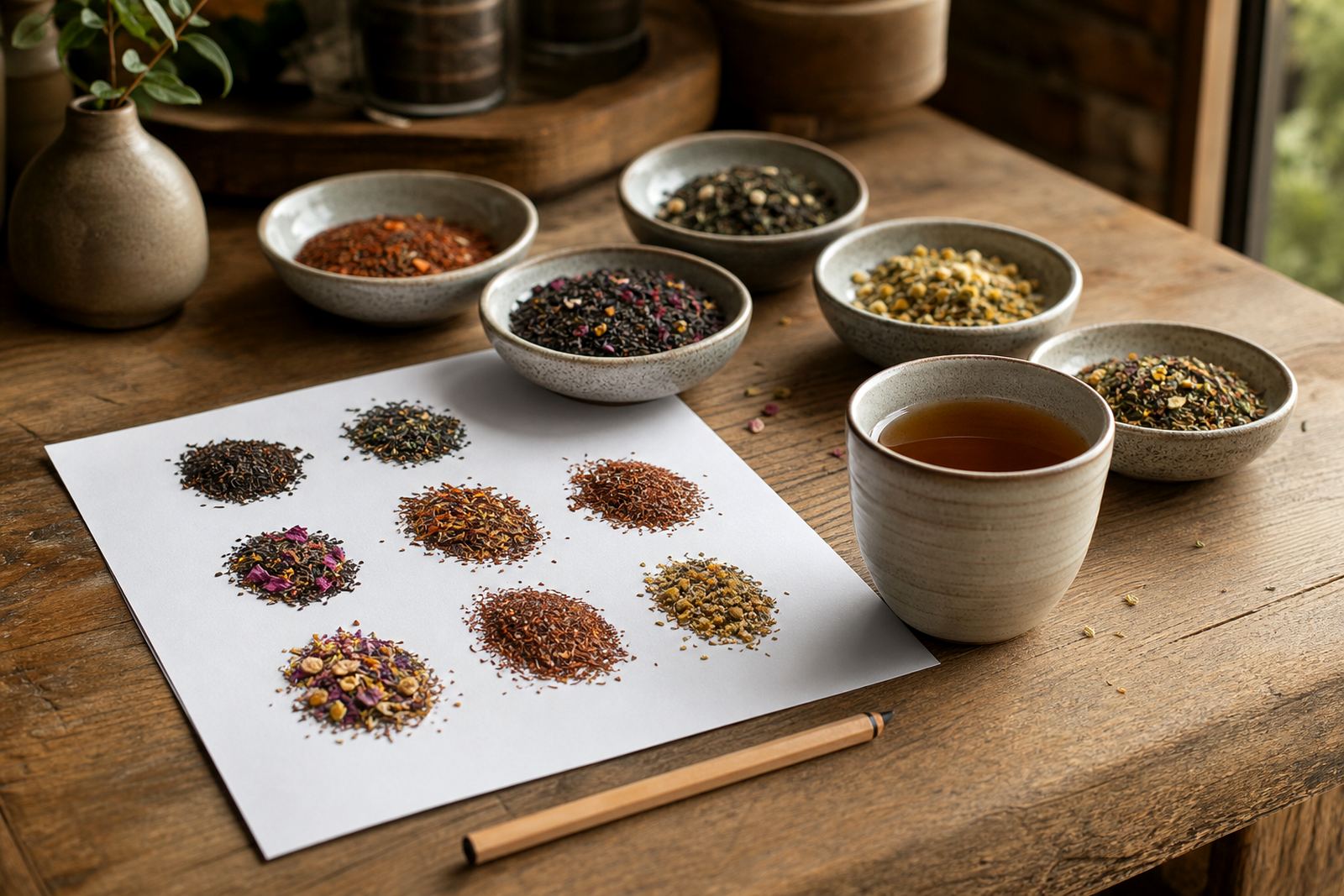
There are also flavour differences depending on whether the rooibos is plain, lightly cut, or blended with other ingredients. A plain rooibos gives a clean base. Blends can lean towards citrus, vanilla, ginger, berries or herbs. That is useful if you want the drink to suit different tastes in the same office or household.
- Plain rooibos is best for everyday drinking and for mixing with milk.
- Spiced rooibos works well in colder months or after meals.
- Fruit and herb blends suit guests who prefer something lighter.
- Higher cut leaf often gives a clearer cup and quicker infusion.
Why rooibos stays popular in South African homes and businesses
Rooibos remains popular because it fits local habits. It is naturally caffeine-free, which makes it useful for evening cups, for guests who avoid caffeine, and for workplaces where tea is offered through the day. In a city like Stellenbosch, where many hospitality venues juggle breakfast service, wine tasting traffic and long lunch periods, rooibos is a steady option that works for most customers.
It also handles South African conditions well. In coastal humidity, rooibos stores better than many baked snacks or biscuits when sealed properly. In colder inland areas, it is an easy drink to offer during load-shedding evenings when people want something warm without too much fuss. That is part of the reason it keeps showing up in guest houses, clinics, boardrooms and family kitchens alike.
- No caffeine means it suits late afternoon and evening serving.
- It is familiar to local guests, so there is little explaining needed.
- It can be served plain or as part of a mixed tea range.
- It pairs well with biscuits, rusks, savoury snacks and light cakes.
How to brew rooibos properly for a fuller flavour
Rooibos is forgiving, but it still benefits from a proper brew. Use freshly boiled water and allow the tea to steep long enough for the colour and flavour to develop. A weak cup often comes from too little leaf or too short a brew time, not from the rooibos itself. For most loose-leaf rooibos, a teaspoon per cup is a fair starting point, then adjust to taste.
If you are serving a group, prepare a pot and let it stand for 5 to 7 minutes. Rooibos does not become harsh as quickly as many teas, so it holds well in a pot. If you are adding milk, use a stronger brew so the drink does not taste thin. For iced tea, make it slightly stronger than usual and cool it before pouring over ice.
- Use boiling water, then steep for 5 to 7 minutes.
- Start with 1 teaspoon per cup for loose-leaf tea.
- For milk tea, brew a little stronger than usual.
- Store tea in an airtight container away from heat and sunlight.
Rooibos blends for gifting, hospitality and office supply
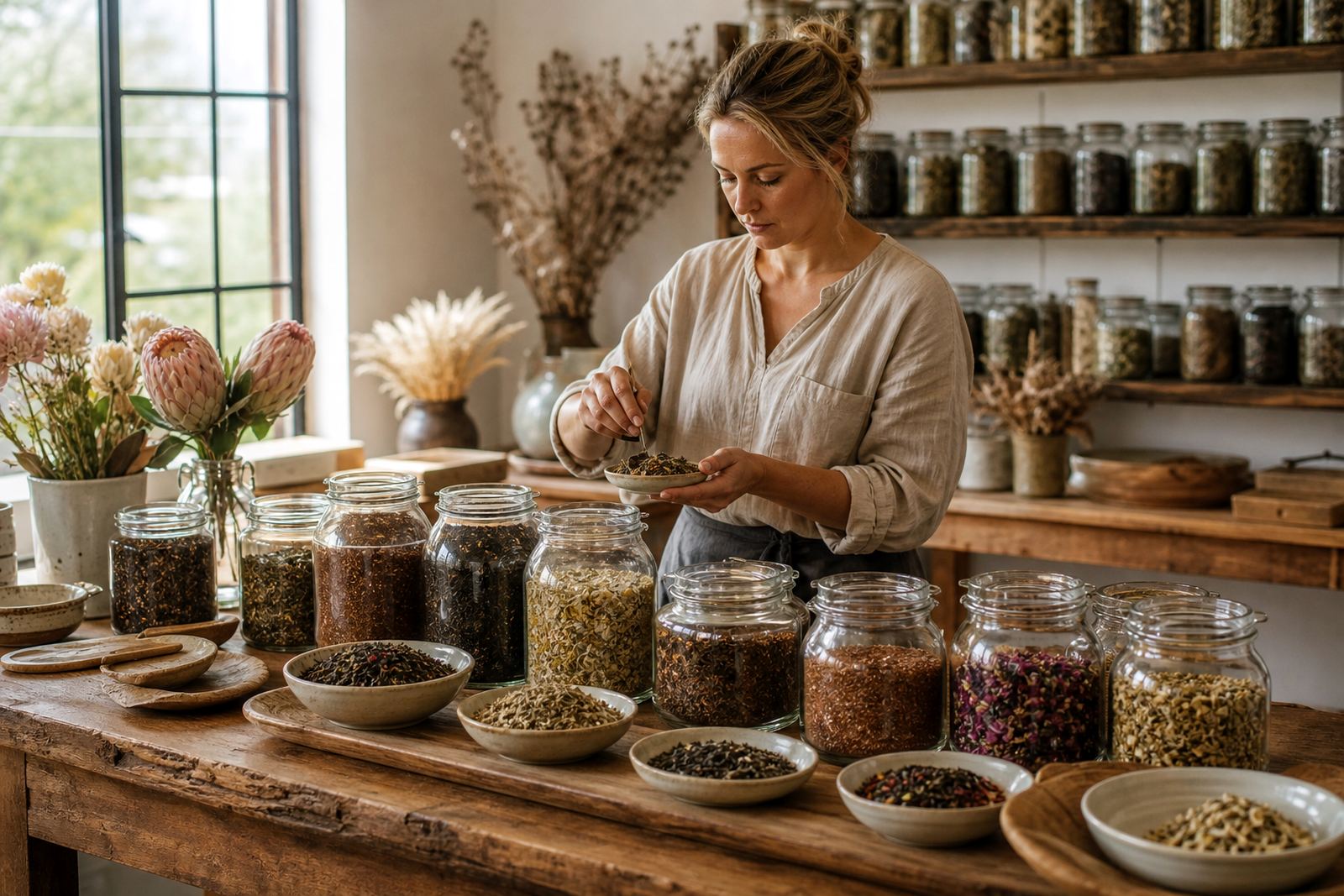
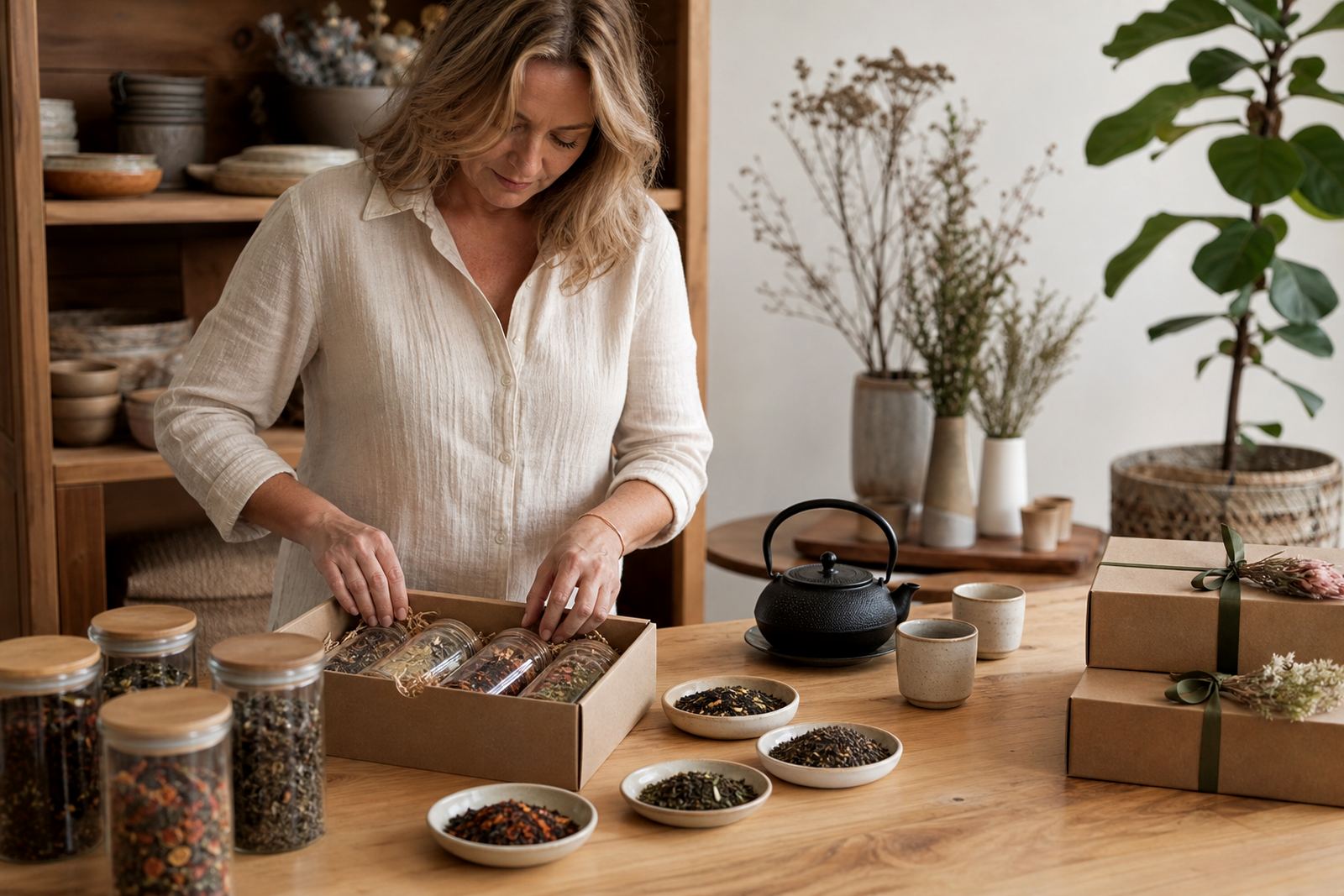
Rooibos works well as a base for custom tea blending because it carries flavour without overpowering it. That makes it useful for private label packs, guest welcome trays, seasonal gifting and office tea supply. A reception in Somerset West may want a mild vanilla rooibos, while a corporate gift in Pretoria may call for a brighter citrus blend or a spiced option for winter.
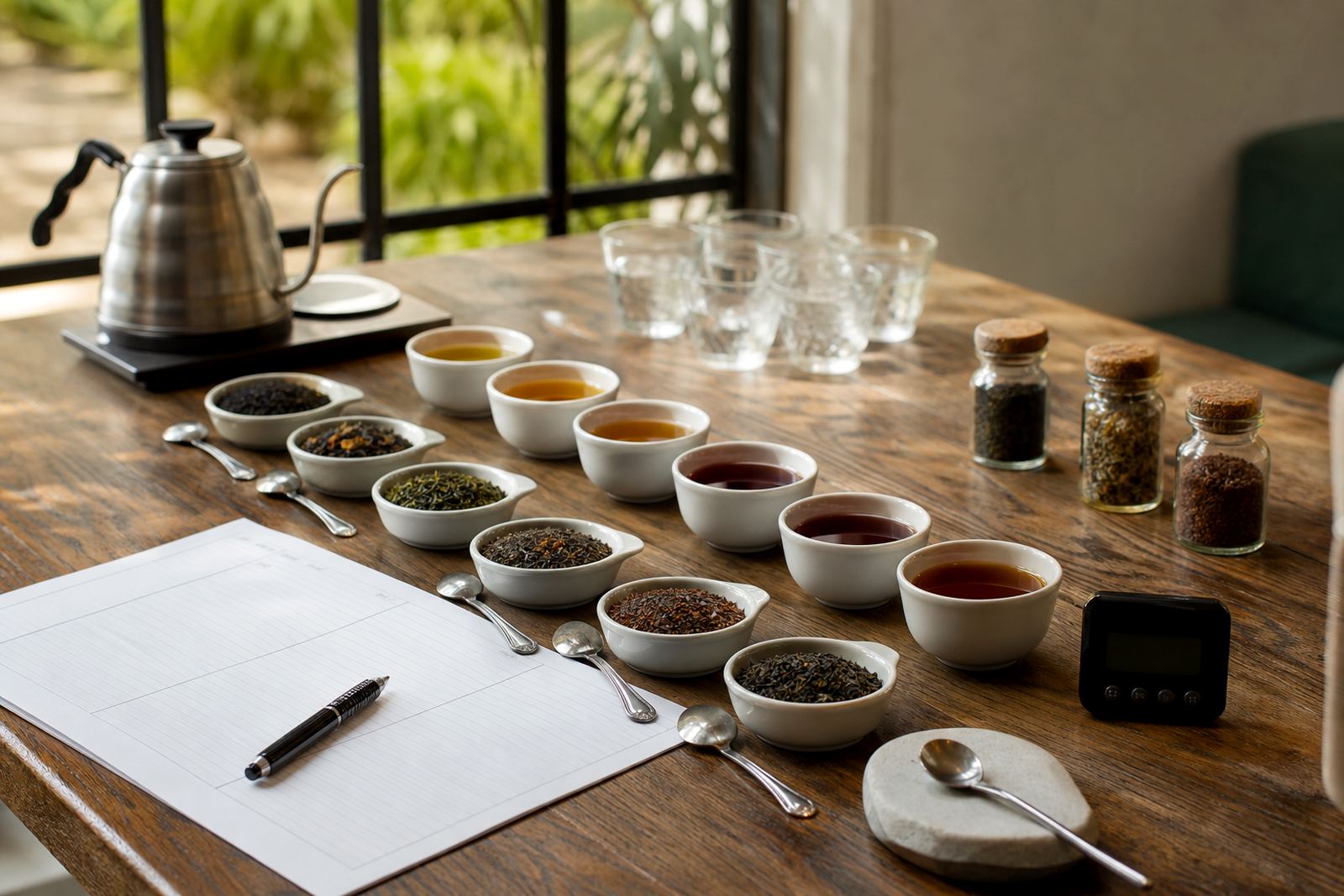
For hospitality clients, rooibos is practical because it appeals to a wide age range and avoids the caffeine issue that can come with standard tea. It is also a good choice for event tea bars and wedding favour packing because it feels local, considered and easy to enjoy. When the blend is kept balanced, it can suit both the person who drinks tea every morning and the guest who only wants one cup after dinner.
At Cup Of Tea Co in Stellenbosch Central, rooibos is part of a broader range that includes loose-leaf teas and herbal infusions for delivery across South Africa. Annelise van der Merwe and the team work with custom tea blending, bulk tea orders, hospitality tea supply and tea menu curation, so a rooibos range can be tailored to the setting, the season and the people who will drink it.
A simple local example from Stellenbosch to Bloemfontein
Think of a small guest house in Stellenbosch serving breakfast to local visitors and travellers from Cape Town, Johannesburg and Durban. Some guests want black tea, others want herbal tea, and a fair number ask for rooibos without sugar. If the rooibos is well chosen, it fills that gap neatly. It is familiar enough for older guests, soft enough for children, and steady enough for a second cup after breakfast.
The same logic applies to offices in Bloemfontein or Pretoria where tea points need to work for many preferences at once. One good rooibos blend can reduce waste, keep service simple and cover the people who do not want caffeine mid afternoon. That practicality is a big reason rooibos has lasted. It is not trying to be fashionable, it just does the job well.
If you are choosing rooibos for home or business, look for clean leaf, a clear aroma and a cup that tastes rounded rather than dusty. A good rooibos should feel easy to serve, easy to drink and easy to come back to the next day.
- Choose plain rooibos for general use and broad appeal.
- Select blended rooibos for gifting or menu variety.
- Keep stock sealed and dry for the best shelf life.
- Use it where calm, caffeine-free drinking matters most.