Why winter and festive orders need a longer lead time
In South Africa, tea demand changes quickly once the first cold fronts arrive. Winter brings more loose-leaf tea for homes, offices and hospitality, while November and December push a second wave of buying for gifts, hampers and thank-you packs. If you wait until the weather turns or the year-end rush starts, the blend you want may already be tied up in production or courier queues.
For seasonal orders, the safest approach is to work backwards from your handover date. If you need tea on shelves, at a venue, or in gift packs by a fixed day, allow time for blend selection, packing, label checks and delivery. In Stellenbosch and Cape Town that can be straightforward, but orders going to Johannesburg, Pretoria, Durban or Bloemfontein need extra planning because courier cut-offs can shift when volumes rise.
It also helps to think about weather and storage. Coastal humidity in places like Durban and Somerset West can affect how tea is packed and stored, while inland dryness can be kinder to shelf life. Good packaging keeps the tea clean and aromatic, and proper stock rotation matters if your team is holding stock for a few weeks before dispatch. A small buffer now avoids surprises later, especially when load-shedding or municipal interruptions slow down admin and packing schedules.
Choosing blends that suit the season and the audience
Seasonal tea orders should match how people actually drink tea at that time of year. Winter buyers often prefer fuller flavours, warming herbal infusions and caffeine-free evening options, while festive gifting usually calls for attractive blends that feel special without being difficult to enjoy. Rooibos remains a strong local favourite because it suits broad age groups and works well for both retail and corporate gifting.
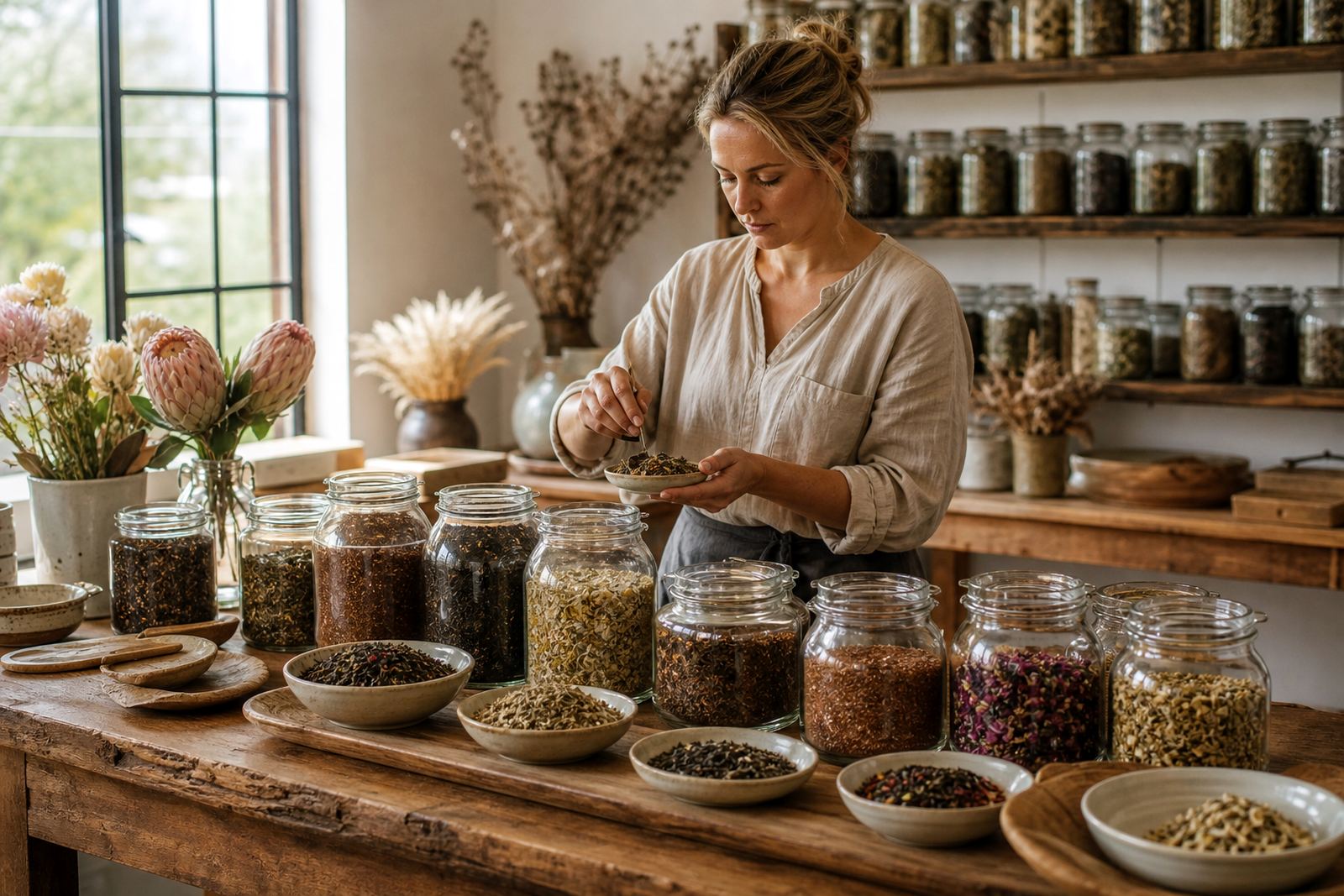
When planning blend choices, keep the setting in mind. Office supply orders usually need reliable everyday teas in practical pack sizes, while hospitality supply may need a wider range for guests with different tastes. Event tea bars and wedding favour packing benefit from a mix of familiar and more memorable blends, so the offering feels thoughtful without being fussy.
- For winter: rooibos chai, honeybush-style herbal infusions, and stronger loose-leaf black teas.
- For gifting: mixed flavour sets, caffeine-free options, and blends that carry well in small packs.
- For offices: simple, dependable teas that suit a kettle, flask or urn and do not need special preparation.
- For hospitality: a balanced range that covers breakfast service, afternoon tea and after-dinner cups.
If you are unsure where to start, build the order around three questions: who will drink it, when will they drink it, and how will it be presented. Thats usually enough to narrow the list quickly and avoid over-ordering blends that look good on paper but move slowly in practice.
Working out quantities without overbuying
The biggest seasonal mistake is guessing quantities too late. A small order can be fine for personal gifting, but corporate packs, event tea bars and subscription tea boxes need counts based on actual usage. Start with confirmed recipients, then add a modest allowance for spares, damages and late additions. That is far easier than carrying unused stock into the next season.
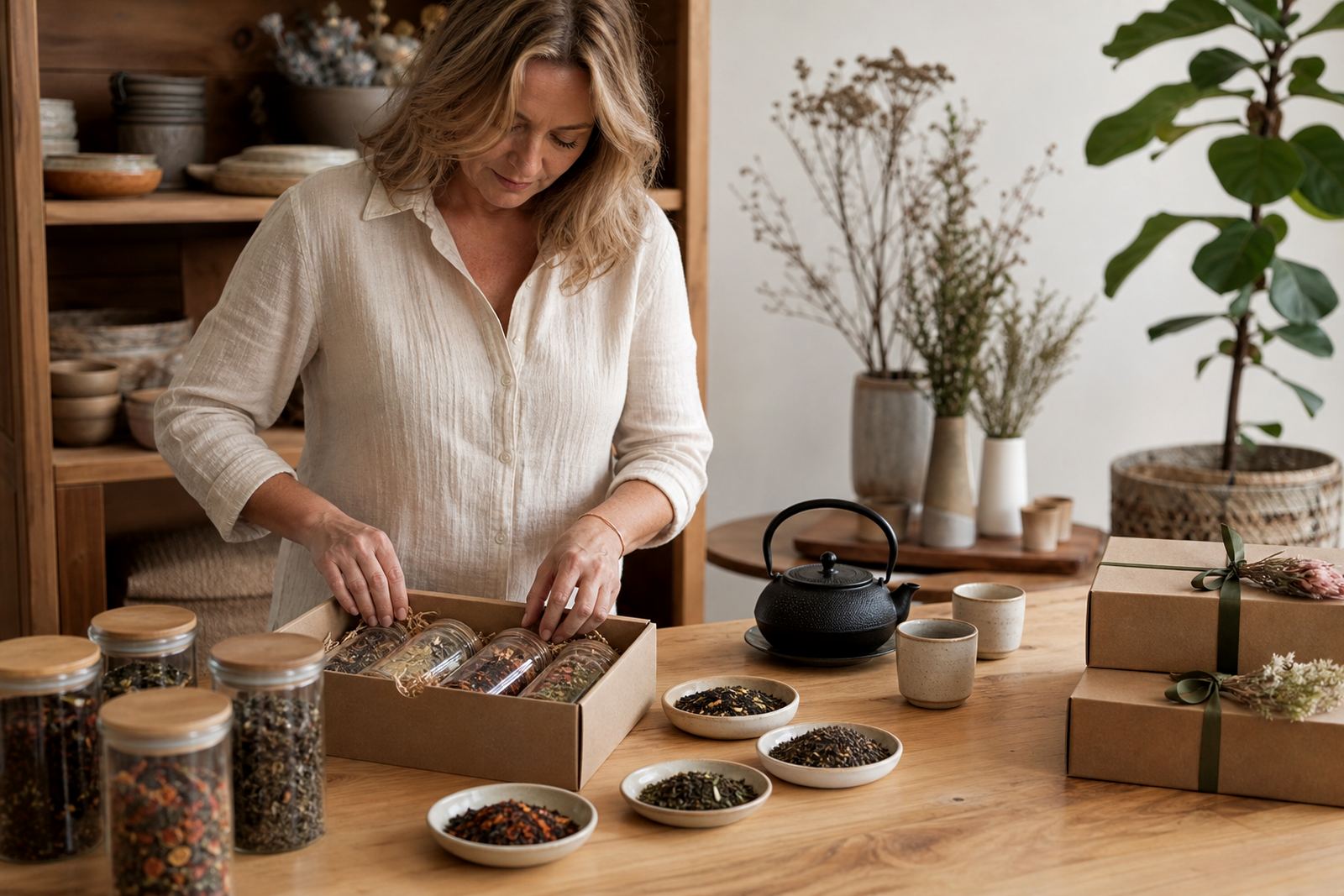
For bulk tea orders, think in terms of monthly consumption if you are supplying a business or venue. A smaller office in Stellenbosch may only need a few kilos spread across several blends, while a guesthouse in Paarl or a conference venue in Cape Town might need larger volumes and more frequent top-ups. If you are planning festive gifting, confirm whether every box includes the same blend or whether you want a mix. Mixed packs usually feel more generous but they take longer to assemble.
- Confirm the exact delivery date before placing the order.
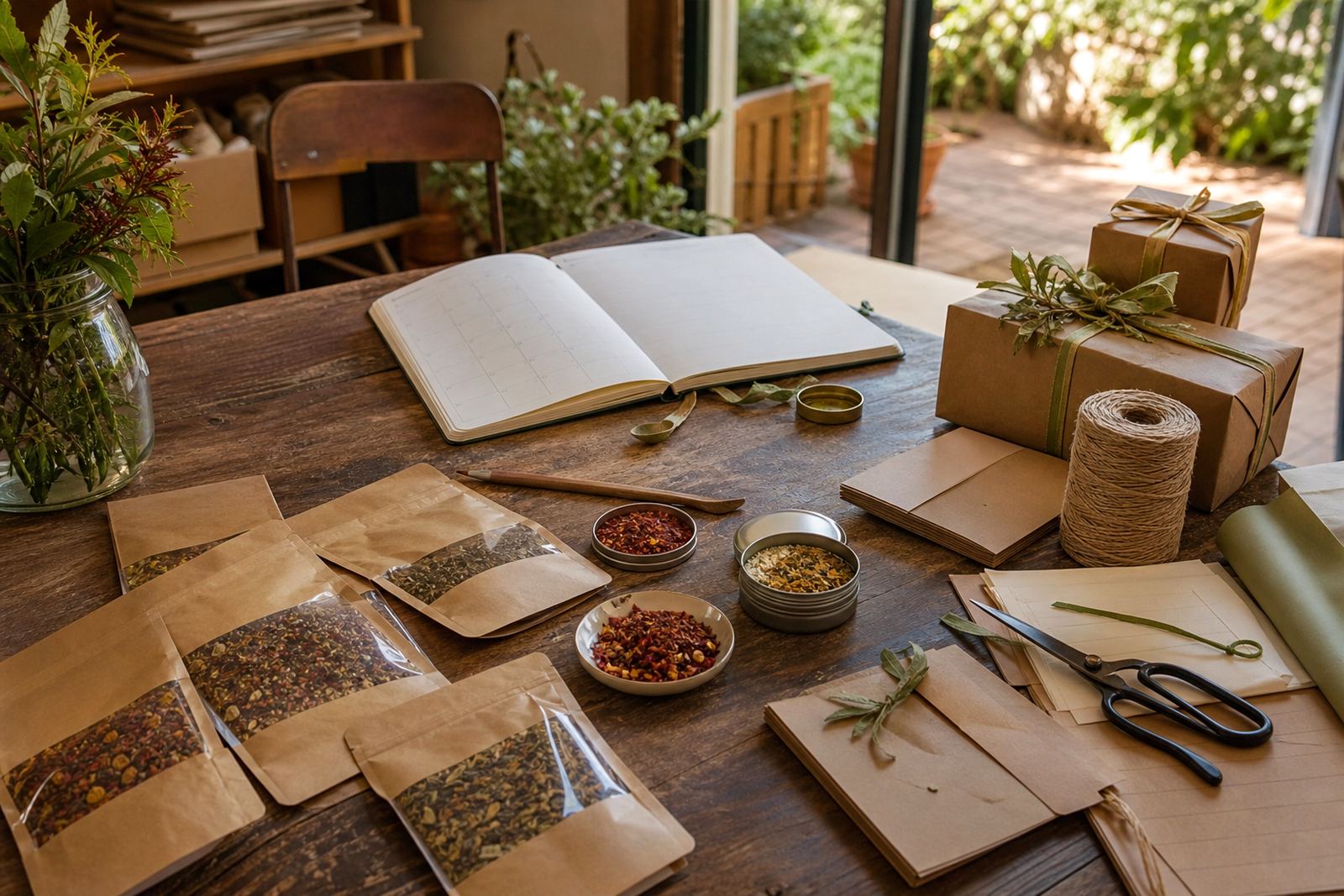
- Allow extra time for custom tea blending and private label packing.
- Count add-ons such as ribbons, tags, printed sleeves or gift notes.
- Keep a small reserve for late orders or repeat requests.
For seasonal stock, it is also worth checking where the tea will sit before it is handed over. In a humid storeroom near the coast, or in a venue with kitchen heat, packaging needs to work harder. That can influence whether you choose smaller pack sizes or a more protective outer wrap.
Practical lead times for South African delivery
Couriers across South Africa can move quickly, but timing still matters. Orders sent from Stellenbosch to nearby areas like Somerset West, Paarl and Cape Town are usually easier to turn around than larger festive runs to Durban or Bloemfontein. For Johannesburg and Pretoria, the packing window is still manageable, but only if the order is final before the rush starts. Last-minute changes are where delays creep in.
A practical rule is to allow more time as the order becomes more customised. Standard loose-leaf tea orders are simpler than private label packing or seasonal gifting packs that need custom labels and specific counts. If you are planning a tea tasting session before confirming blends, build that into the schedule too so there is no scramble afterwards.
Seasonal planning also needs to account for public holidays, school breaks and month-end courier pressure. December can be especially busy, and even a well-packed order can sit in a queue longer than expected. If you want gifts in hand before year-end, aim to finalise blend choices and packing instructions well before the last week of the month.
A Stellenbosch example that shows why timing matters
A local Stellenbosch client planning staff gifts for August started with a simple brief: one winter-friendly tea, one rooibos blend and one caffeine-free option for evening use. Because the packs were going to 60 recipients, the team could confirm quantities early and avoid buying a second round of supplies later. The order was then split for office use and end-of-year gifting, which kept the stock useful right through the season.
That kind of planning works well for Western Cape businesses because it gives room for courier lead times and any packing changes. It also helps when an order has to serve more than one purpose. The same blend range can work for an office tea shelf, a client hamper and a hospitality counter if the quantities are mapped properly from the start.
The key lesson is simple: seasonal tea orders are easier when they are treated as part of a calendar, not a last-minute purchase. Once you know the event date, the recipient list and the blend direction, the rest becomes much more manageable.
How Cup Of Tea Co helps seasonal orders run smoothly
Cup Of Tea Co works from Stellenbosch Central and supplies seasonal tea orders across South Africa through courier delivery. Our team handles custom tea blending, private label packing, corporate gifting service, hospitality tea supply, office tea supply and bulk tea orders. We also assist with tea menu curation, subscription tea boxes, wedding favour packing and seasonal gift curation, which is useful when one order has several moving parts.
With Annelise van der Merwe leading the business and Siyabonga Ndlovu overseeing blending, the focus stays on practical detail. Mariska Botha manages operations, Leanne Petersen supports customer care, Thabo Mokoena coordinates courier fulfilment and Zanele Dlamini handles retail and gifting requests. That structure matters during busy months because it keeps packing, stock control and dispatch aligned.
If you are planning winter stock or festive gifting, the best next step is to outline your dates, quantities and preferred style of tea. From there, the order can be shaped around the season instead of being forced through it.
- Seasonal demand needs earlier ordering than everyday tea supply.
- Blend choice should match the weather, the audience and the setting.
- Courier timelines are easier to manage when packing starts early.