Why cinnamon, ginger and clove work so well in tea
Spiced blends suit South African winters because they bring heat without needing sugar heavy flavouring. Cinnamon gives a soft sweetness, ginger adds a clean bite, and clove brings depth that lingers after the last sip. Together, they suit loose-leaf tea bases as well as rooibos and herbal infusions, which makes them easy to use across homes, guest houses and small offices.
In Stellenbosch, where mornings can start cold and damp before the sun comes through, these blends have a practical role too. A spiced cup is useful after early school runs, on vineyard visits, or in reception areas where guests arrive chilled from the Cape wind. The flavour profile is familiar but not plain, so it works for people who want something comforting without a heavy dessert style tea.
- Cinnamon supports a rounded, slightly sweet finish
- Ginger adds warmth and a fresh lift
- Clove gives a strong aromatic note that holds well in longer infusions
- Rooibos softens sharper spices and suits caffeine-free serving
How to choose the right base for cooler weather
Not every spiced blend should start with the same base. Rooibos is often the easiest choice because it is naturally smooth, low in tannin and well suited to cinnamon and clove. Black tea gives more body and a stronger morning cup, while herbal blends can be made gentler for evening drinking. A good tea blender will balance the spice level so the cup stays pleasant after 3 or 4 minutes, not bitter or overpowering.
If you are serving a range of people, think about the setting first. For a hospitality tray, a rooibos spiced blend is usually safest because it suits most guests and can stand for a short while without turning harsh. For a boardroom or café counter, a stronger black tea blend may be better for people who want more presence in the cup.
- Rooibos base: best for easy drinking and late afternoon service
- Black tea base: best for breakfast service and a stronger flavour
- Herbal base: best for evening use and caffeine-free menus
- Loose-leaf format: best for control over strength and infusion time
Practical brewing tips for a balanced spiced cup
Spiced tea needs a little more attention than a plain blend. The water should be properly hot, but not rushed through the leaves. If you steep too long, clove can dominate and ginger can become sharp. If you steep too briefly, the cup can taste thin and the spice notes will not open up. The aim is a steady, rounded flavour that is strong enough for winter but still easy to drink on a daily basis.
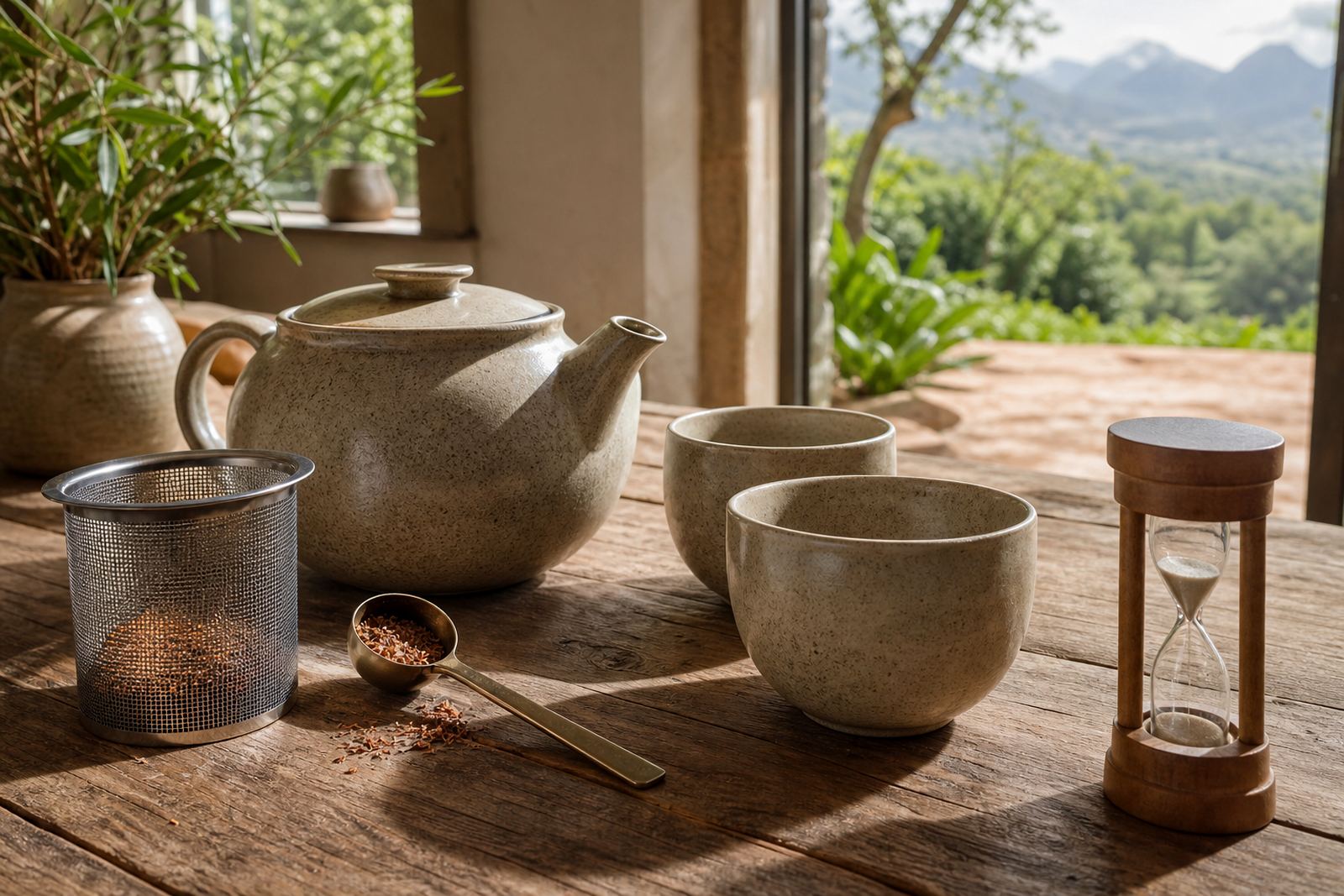
For most loose-leaf spiced blends, 1 heaped teaspoon per cup is a solid starting point. Use freshly boiled water for black tea or rooibos and allow 3 to 5 minutes depending on the intensity you want. Herbal infusions can be pushed a little longer if the recipe is light, but always taste before serving a full pot. A second infusion may work well with some blends, especially if the spice pieces are large and the leaf is intact.
- Use a pre-warmed pot or mug to keep the cup hotter for longer
- Cover the pot while steeping so the aroma stays in the drink
- Strain well to avoid spice fragments in the cup
- Add milk only if the blend is built for it, not to every spiced tea
Food pairings that suit a spiced tea table
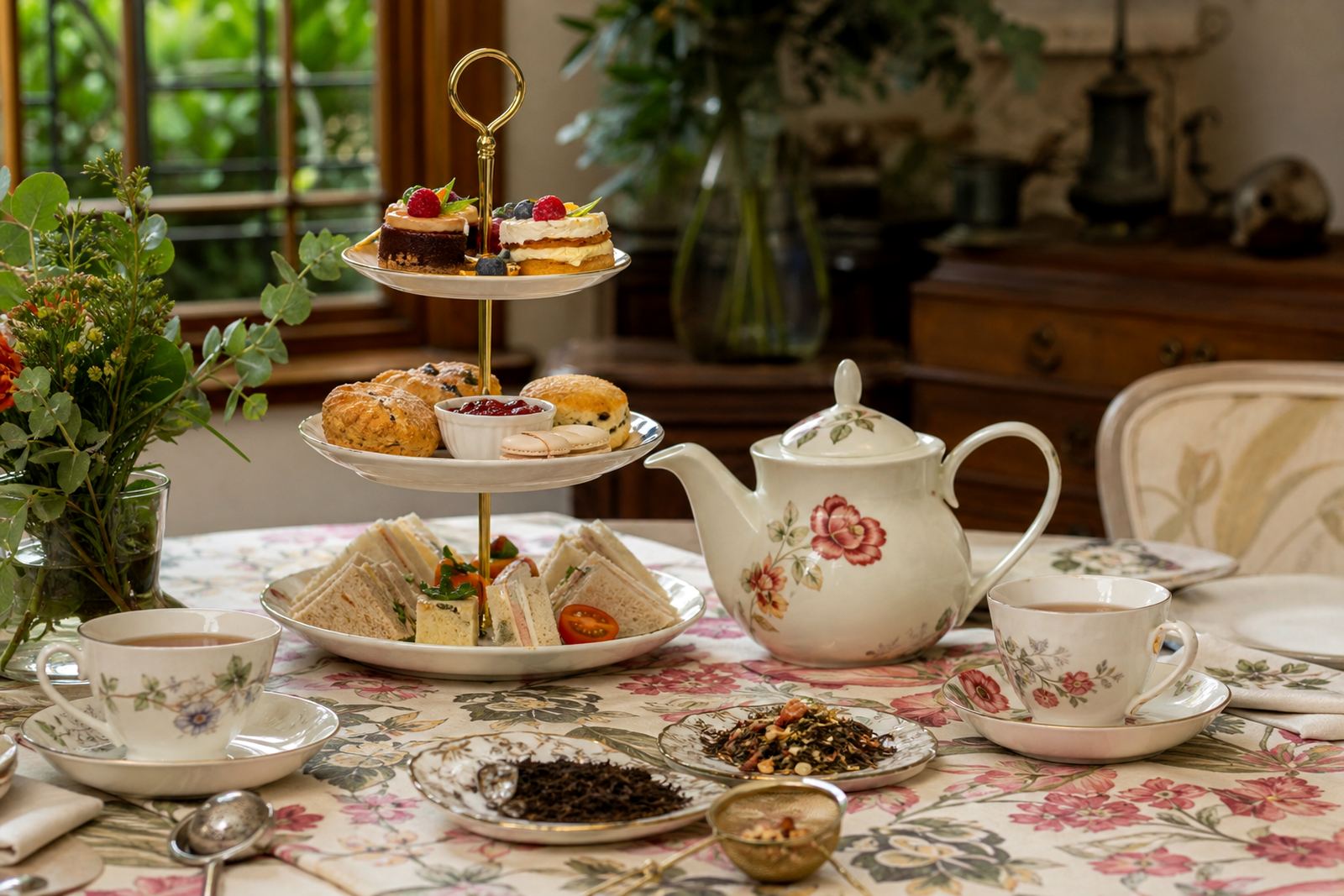
Spiced blends pair well with simple food because they already carry plenty of flavour. Think toasted rusks, oat biscuits, fruit cake, buttered scones or a plain loaf cake. If the tea is stronger on ginger, it can stand beside savoury items too, such as a cheese platter or a light lunch sandwich. For an office tea station, that flexibility matters because the same blend can serve morning breaks and after lunch top-ups without needing a separate menu.
For a winter gathering in Somerset West, Paarl or Cape Town, a rooibos cinnamon blend can sit nicely beside milk tarts and dried fruit trays. If the event runs late, a caffeine-free herbal version is useful for guests who want flavour without staying alert into the evening. That is one reason warming blends are often chosen for weddings and corporate functions during the colder months.
- Sweet pairings: rusks, scones, fruit loaf, shortbread
- Savoury pairings: mature cheese, seed crackers, light sandwiches
- Event pairings: dessert tables, afternoon tea service, welcome drinks
Where warming blends fit in local homes and workplaces
Across the Western Cape and inland cities like Johannesburg, Pretoria, Durban and Bloemfontein, winter routines vary but the need for a warming drink stays the same. In a family kitchen, a spiced blend may be part of the school morning rush or a late afternoon refill. In a guest lodge, it may be offered after check-in or set out alongside a note about steeping time. In a workplace, it can become the tea that people return to when the aircon is cold and the power is off during load-shedding.
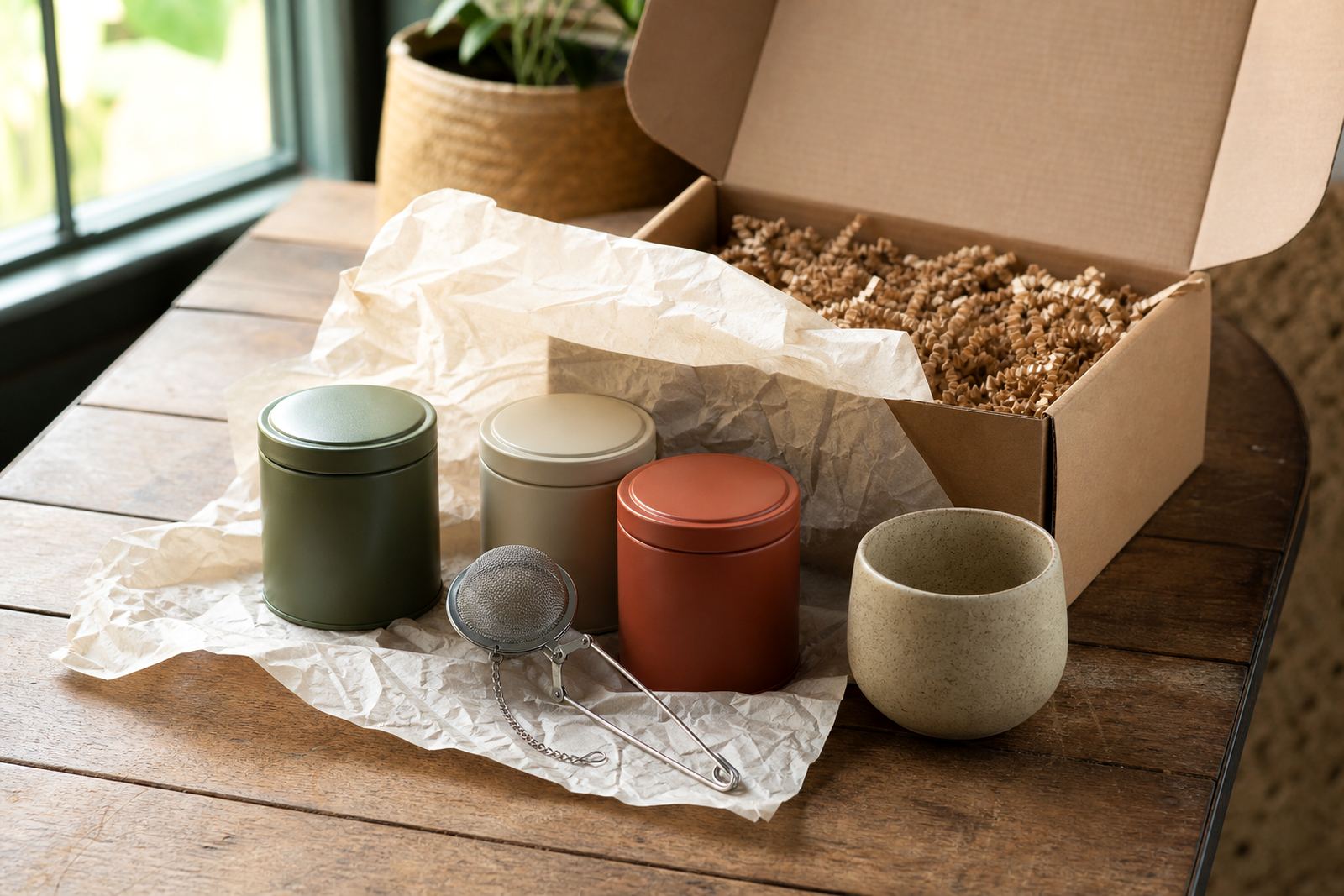
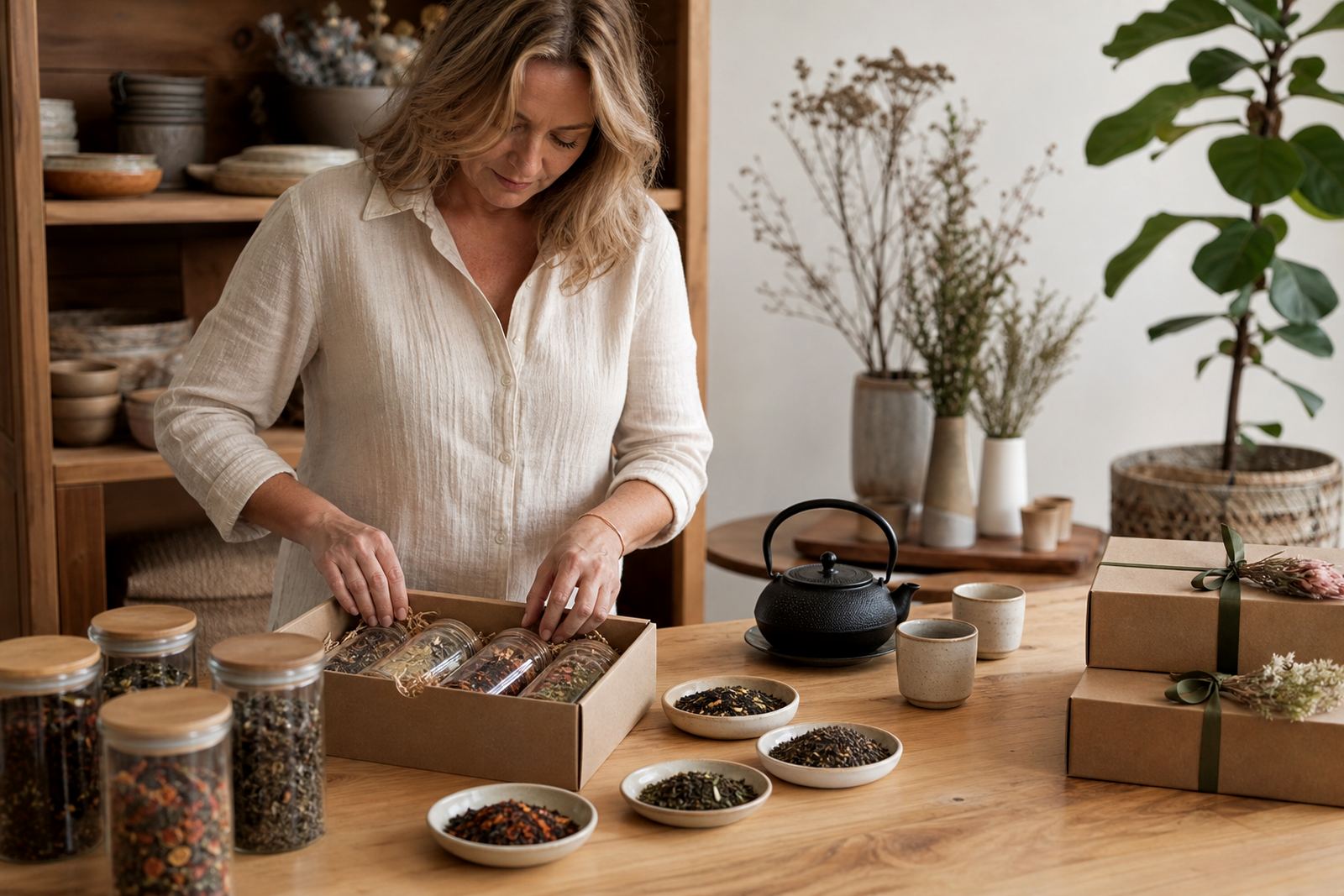
At Cup Of Tea Co in Stellenbosch Central, warming blends are often selected for hospitality tea supply, seasonal gift curation and subscription tea boxes. That makes sense because spice-led teas travel well by courier and remain useful through the cooler months. A well packed loose-leaf blend also holds its flavour well in storage, provided it is kept dry, dark and away from strong kitchen smells.
- Home use: quick comfort tea for mornings and evenings
- Office use: simple refill option for staff kitchens and meeting rooms
- Hospitality use: welcome trays and guest house tea stations
- Gift use: winter hampers and thank-you packs
How Cup Of Tea Co approaches custom winter blends
Some customers want more ginger for a brighter cup, while others prefer a softer spice profile with cinnamon leading and clove held back. That is where custom tea blending makes a difference. A proper blend is not about adding as many spices as possible, it is about getting the ratio right for the intended use. A tea for office supply may need to be milder than a blend sold for private evenings at home. The same applies to gifting, where the flavour should be broad enough to please different people.
With a team led by Annelise van der Merwe and supported by a dedicated blender, operations and fulfilment team, the focus stays on practical supply from Stellenbosch to the rest of the country. Whether the order is for retail packs, private label packing or bulk tea orders, the aim is consistent flavour and neat packing that arrives in good condition. For winter functions and corporate gifts, that detail matters because the tea has to taste right on the day, not just look good on the shelf.
If you want a warmer seasonal range for your home, guest lodge or workplace, a spiced blend is a sensible place to start. It is familiar, easy to serve and useful across many settings, from a quiet kitchen in Stellenbosch to a busy office in Pretoria.