Why Loose-Leaf Tea Brews Differently
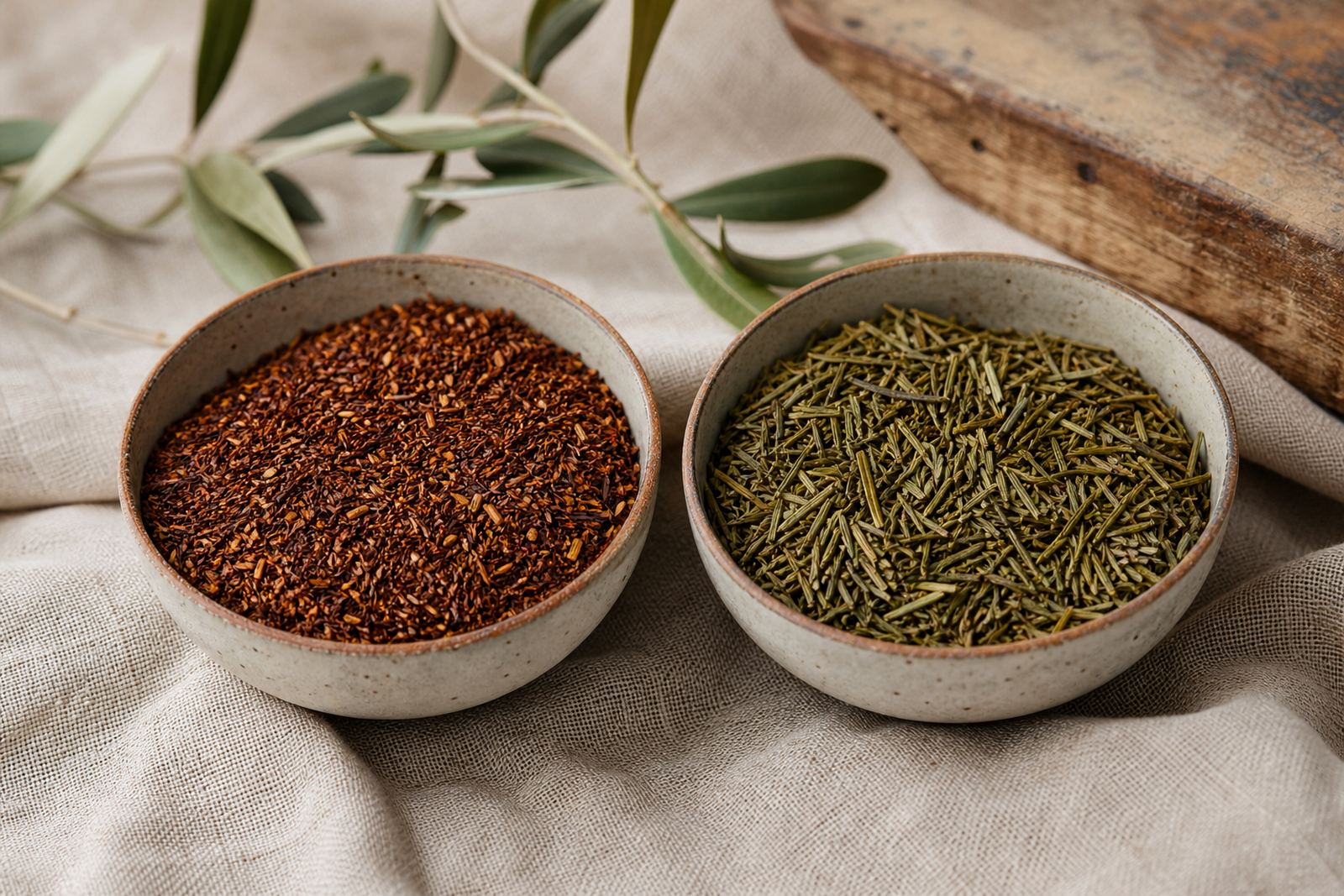
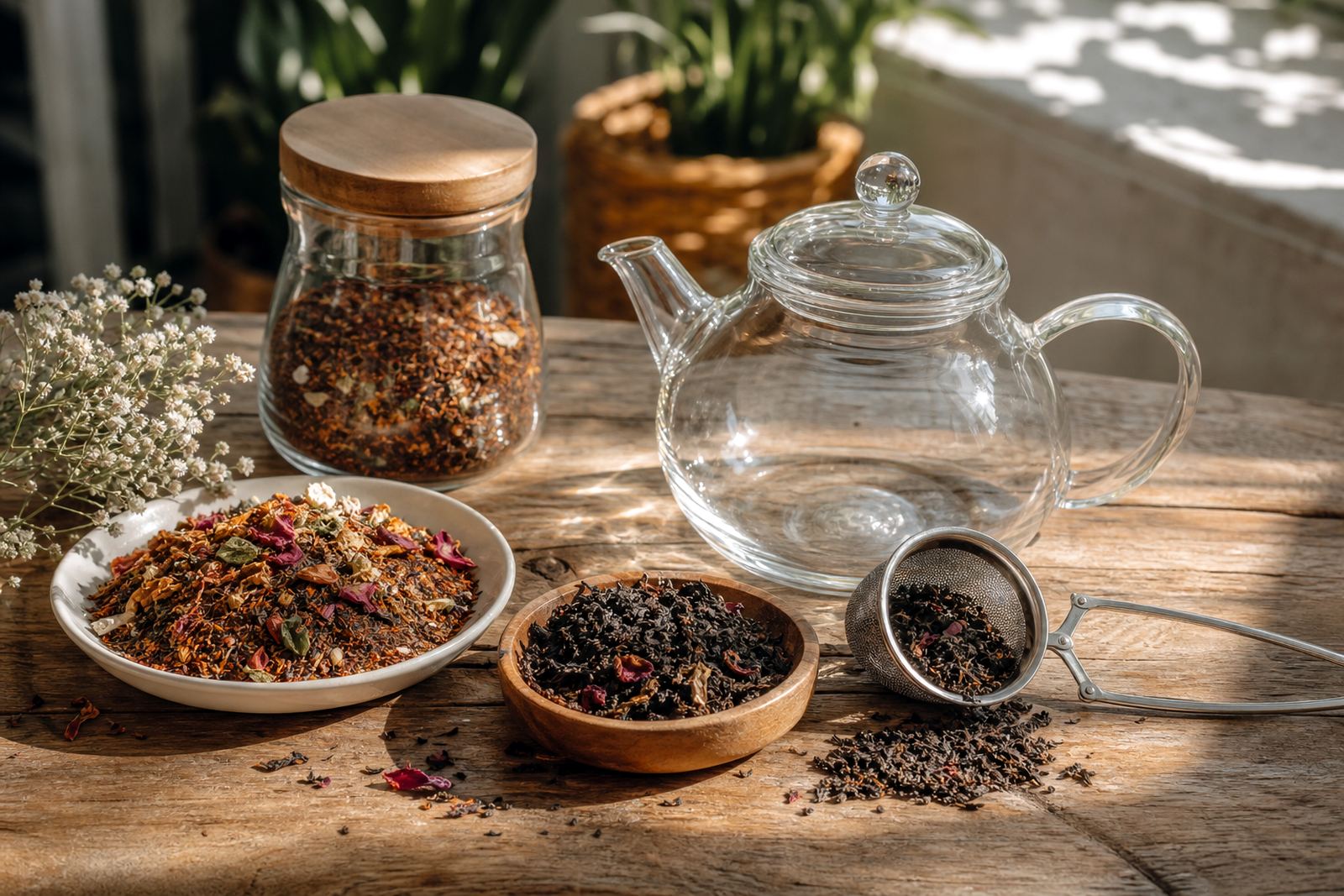
Loose-leaf tea is made from whole or lightly cut leaves rather than the fine dust you often find in bagged tea. That one change affects everything. The leaves have room to open in hot water, so the flavour releases more gradually and the cup usually tastes fuller, cleaner and less harsh. With rooibos and herbal infusions, the same principle applies: the ingredients can move around in the water, giving you better extraction and a more even colour.
For many people in South Africa, this matters because tea is not only about a quick drink. It is part of the morning routine, the office tea break, the after-school cooler weather ritual, and the sit-down with guests in Stellenbosch or Somerset West. Loose-leaf gives you more control over strength, aroma and balance, which is useful when you want a lighter cup for the afternoon or a stronger brew for a cold Western Cape morning.
It also helps that loose-leaf usually reveals the character of the blend more clearly. If a rooibos blend includes orange peel, cinnamon or mint, you can taste each element instead of one flat note. That is why many drinkers switch once they have tried a good loose-leaf blend made properly.
How To Brew Loose-Leaf Tea at Home
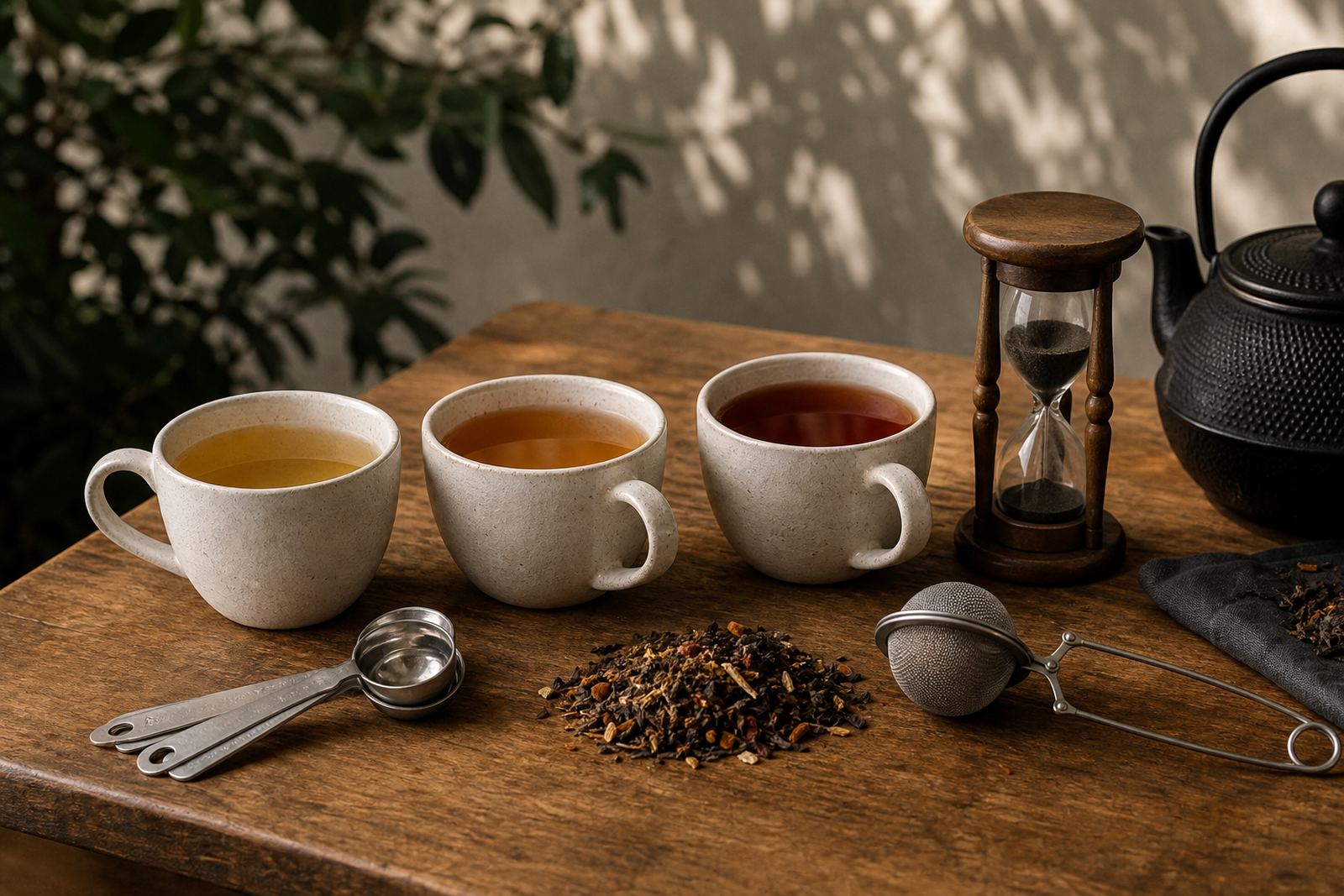
You do not need special kit to brew loose-leaf tea. A teapot with a strainer, a mug infuser, a French press or even a simple sieve will do the job. The main thing is giving the leaves enough space and using the right amount of tea for the volume of water. A level teaspoon is a common starting point for one cup, but some rooibos blends and herbal mixes need a little more to give a full cup.
Water temperature matters. Black tea usually likes near boiling water, while green tea prefers cooler water so it does not turn bitter. Rooibos and most herbal infusions are forgiving, which makes them ideal for households and busy offices where the kettle gets switched on and off through load-shedding and backup power cycles. If the water has sat for too long, boil it again so the tea extracts properly.
A practical rule is to taste the tea once, then adjust next time. If it is too light, use more leaf or steep a bit longer. If it is too strong, reduce the amount or shorten the time. That small adjustment makes a big difference, and it is one of the reasons loose-leaf is so dependable for everyday use.
- Use fresh water, not water that has been boiled over and over
- Measure the leaf instead of guessing every time
- Cover the cup or pot while steeping to keep the heat in
- Strain the leaves once the flavour is where you want it
Rooibos, Herbal Infusions and Everyday Drinking
Loose-leaf is especially popular for rooibos because rooibos is naturally suited to longer steeping. It does not become bitter in the same way as some other teas, so you can leave it a little longer while you finish a call or sort out the school run. That makes it a practical choice for homes, guest houses and small offices across the Western Cape and inland cities alike.
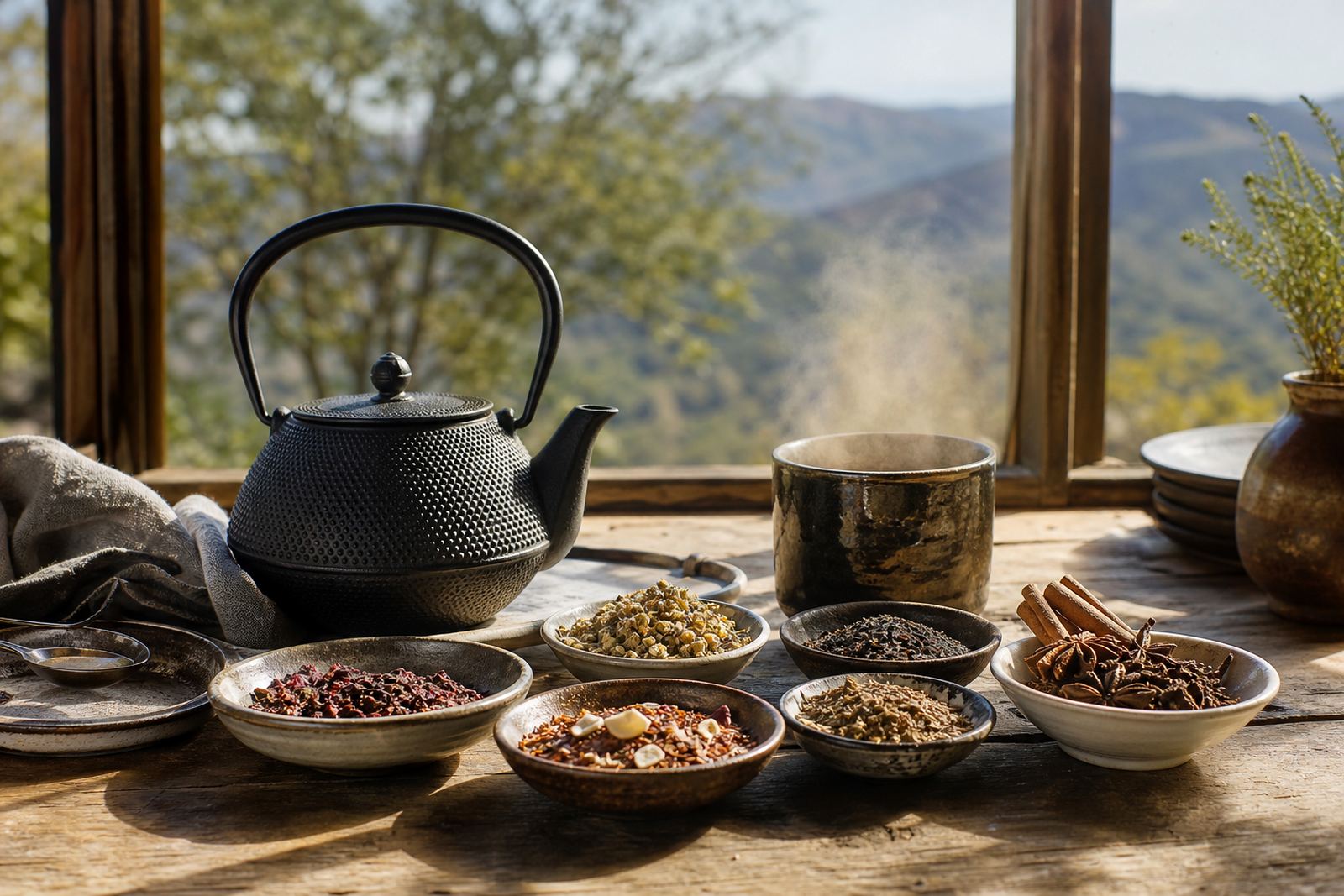
Herbal infusions work in much the same way. Peppermint, chamomile, lemongrass, ginger and fruit blends all benefit from enough space and water contact. When the ingredients are loose, the cup can develop properly instead of tasting like a rushed soak. In warmer towns like Durban or during a hot afternoon in Pretoria, many people prefer these lighter infusions chilled as iced tea too, which is simple enough if you brew them strong and then cool them down.
When choosing a blend, think about the time of day and who will drink it. A rooibos with spice can suit after meals, while a floral herbal infusion is often better in the evening. If you are serving visitors, it helps to keep a couple of options on hand so people can choose what suits them best.
The Equipment That Makes Loose-Leaf Easier
Good tea does not need expensive gear, but a few simple items make the process easier. A kettle with accurate heating helps for delicate teas, while a teapot with a built-in strainer is useful if you serve more than one cup at a time. For offices, a large insulated flask can keep brewed tea warm without leaving it on a hot plate all morning. That matters when staff are coming and going, and it helps avoid the burnt taste that can happen if tea sits too long.
At home, a mesh infuser or tea filter bag is handy if you want less cleanup. Some people use a cafetiere for rooibos and herbal blends, which works well if the filter is fine enough. The key is to avoid overcrowding the leaves. If they are packed too tightly, water cannot move through them properly and the flavour stays flat.
If you buy tea in bulk, store it in an airtight container away from sunlight, moisture and strong smells. Tea picks up odours easily, so keep it away from onions, spices and cleaning products. In coastal areas like Cape Town or Somerset West, humidity can affect freshness faster than people expect, so a sealed tin or jar is worth using.
- Teapot with strainer for multiple cups
- Mug infuser for one person at a time
- Insulated flask for office or catering use
- Airtight storage for keeping tea fresh
How Loose-Leaf Helps With Hosting, Offices and Gifts
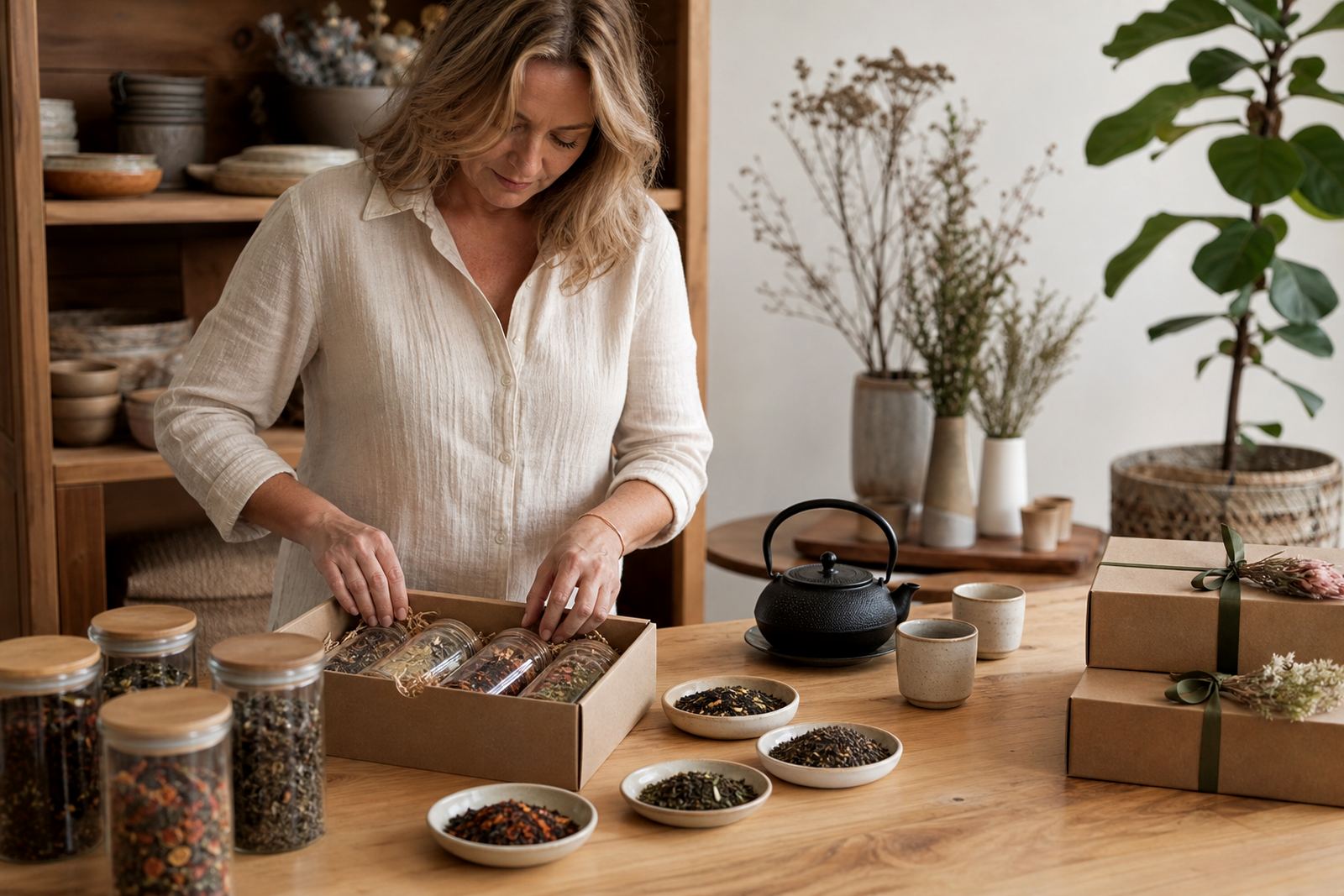
Loose-leaf tea is not only about better flavour. It also makes planning easier for hospitality and gifting. If you are serving clients in a reception area, tea tastes more consistent when the blend is measured properly rather than thrown into a cup by eye. For wedding favours, private label packing or corporate gifts, loose-leaf allows you to present a more considered product with clear blend notes and a cleaner finish.
In offices, a tea station with a few loose-leaf options often gets used more than a crowded shelf of random packets. Staff tend to settle on a favourite and use it properly, which reduces waste. For events and tea tastings, the format gives people a chance to compare blends side by side. That is useful when you are choosing between a classic rooibos, a citrus blend or a herbal infusion for a menu or gift box.
In a place like Stellenbosch, where visitors expect thoughtful details, a well-made cup can say a lot without needing a big speech. It is a small thing, but it leaves a good impression. A simple tea service can feel considered when the leaves, water and timing are right, even if the day is busy and the kettle is working overtime.
A Simple Way To Choose Your Next Blend
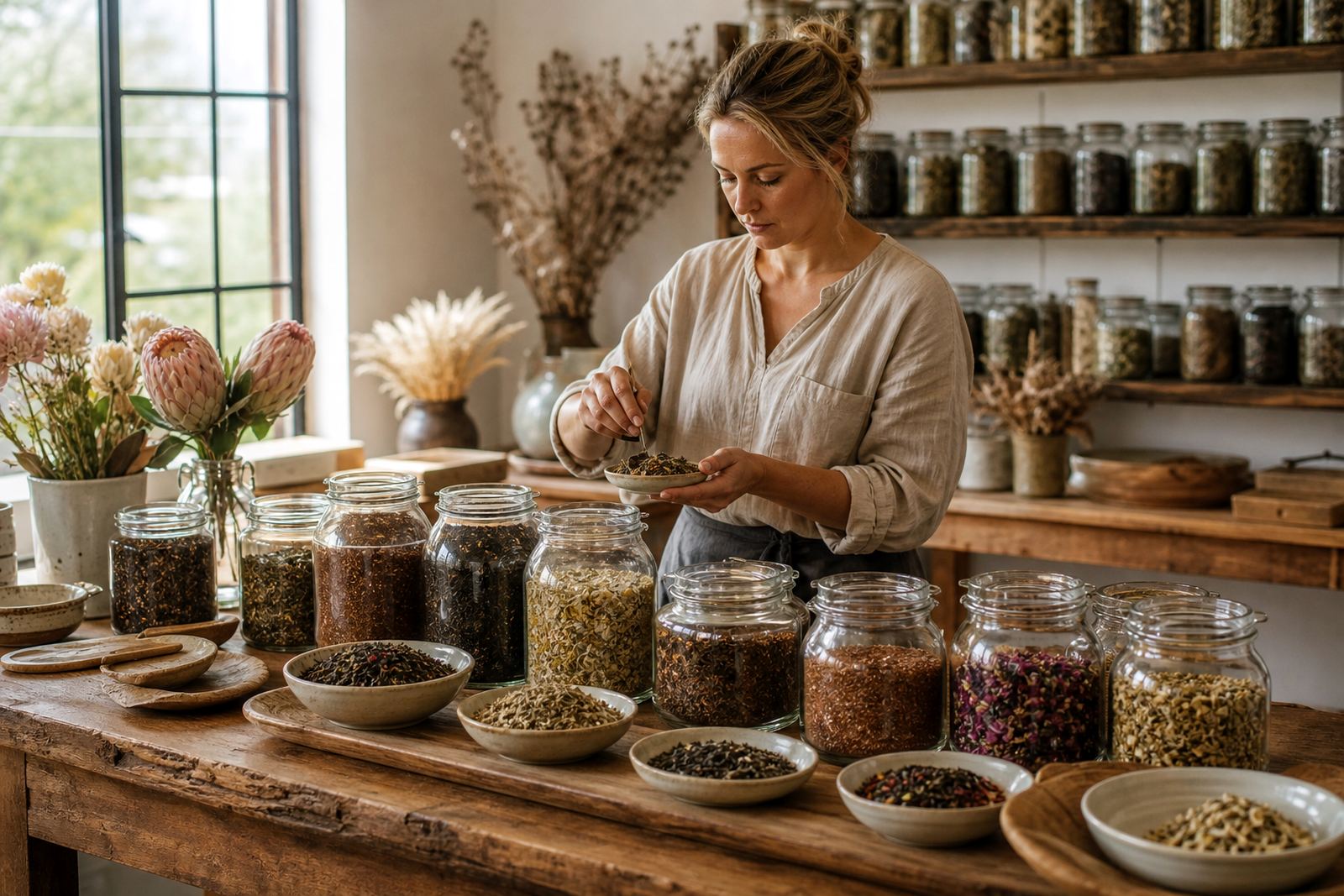
If you are new to loose-leaf, start with one tea you already enjoy and one flavour you have not tried before. That gives you a clear point of comparison. For example, a straight rooibos will show you the base character, while a citrus or spice blend will show you what blending can add. After that, it becomes easier to decide what you want for daily drinking and what you would rather keep for guests or gift packs.
Think about strength, caffeine level and occasion. Some people want a cup they can drink all day. Others want something calming in the evening. If you live in Johannesburg or Pretoria and need tea for a busy office, choose blends that keep their shape through repeated brewing and do not go dull quickly. If you are buying for home use in Paarl or Bloemfontein, think about what your household drinks most often and buy accordingly.
Loose-leaf works best when you treat it as part of the routine instead of a special effort. Once the measuring, steeping and storage become habit, it is straightforward. You get more control, fewer wasted cups and a better sense of what is in the pot.