Start With The Dry Leaf And The Water
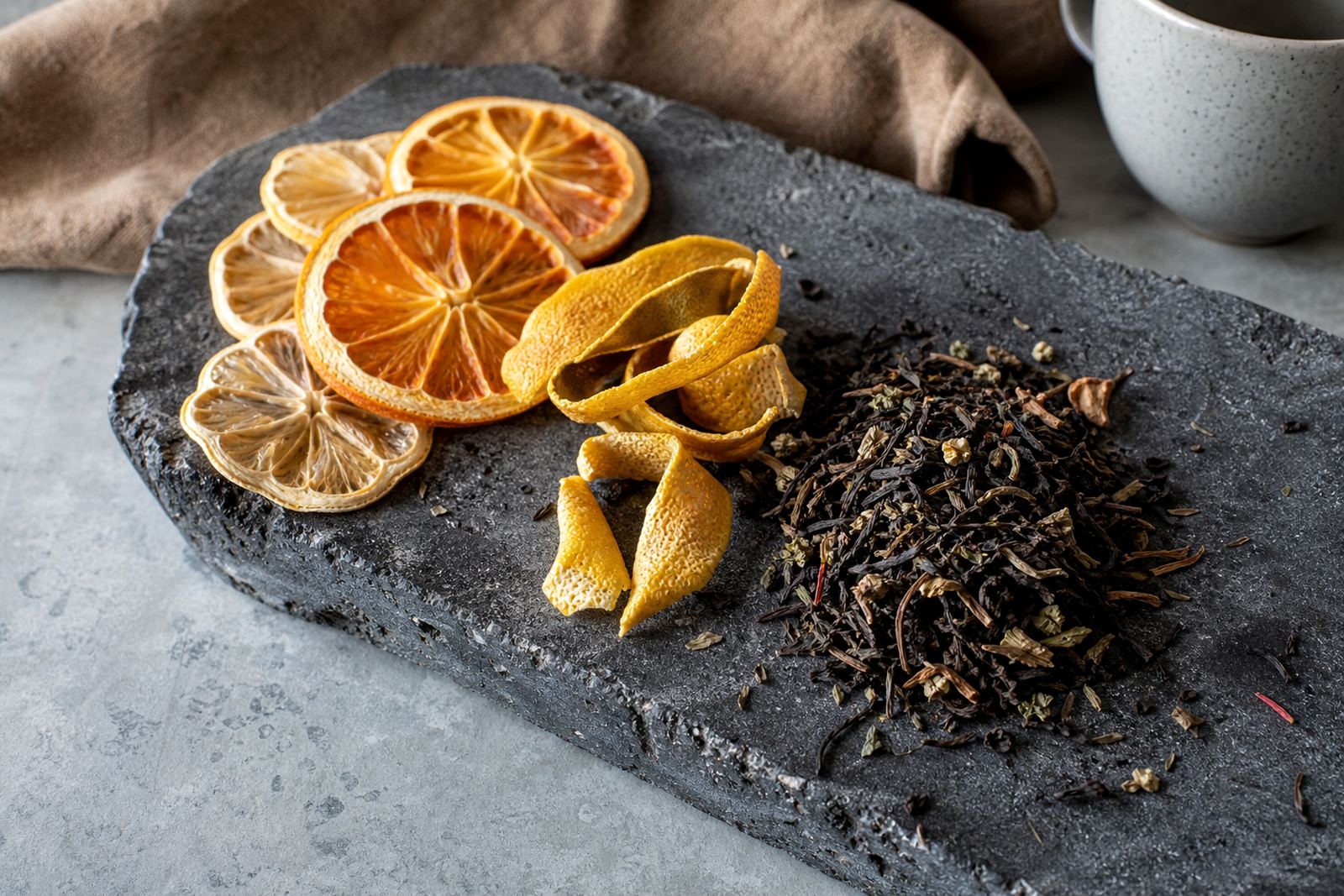
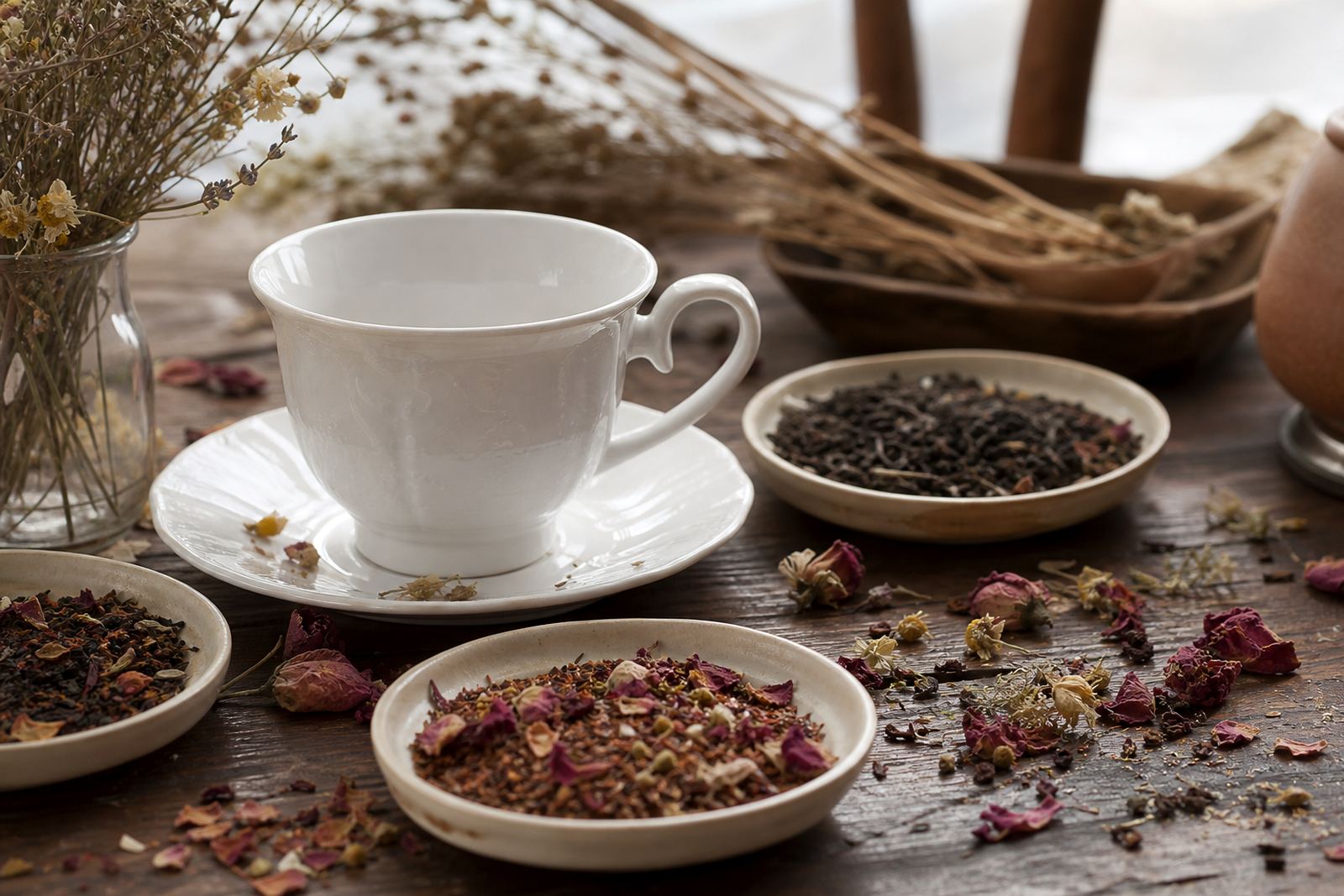
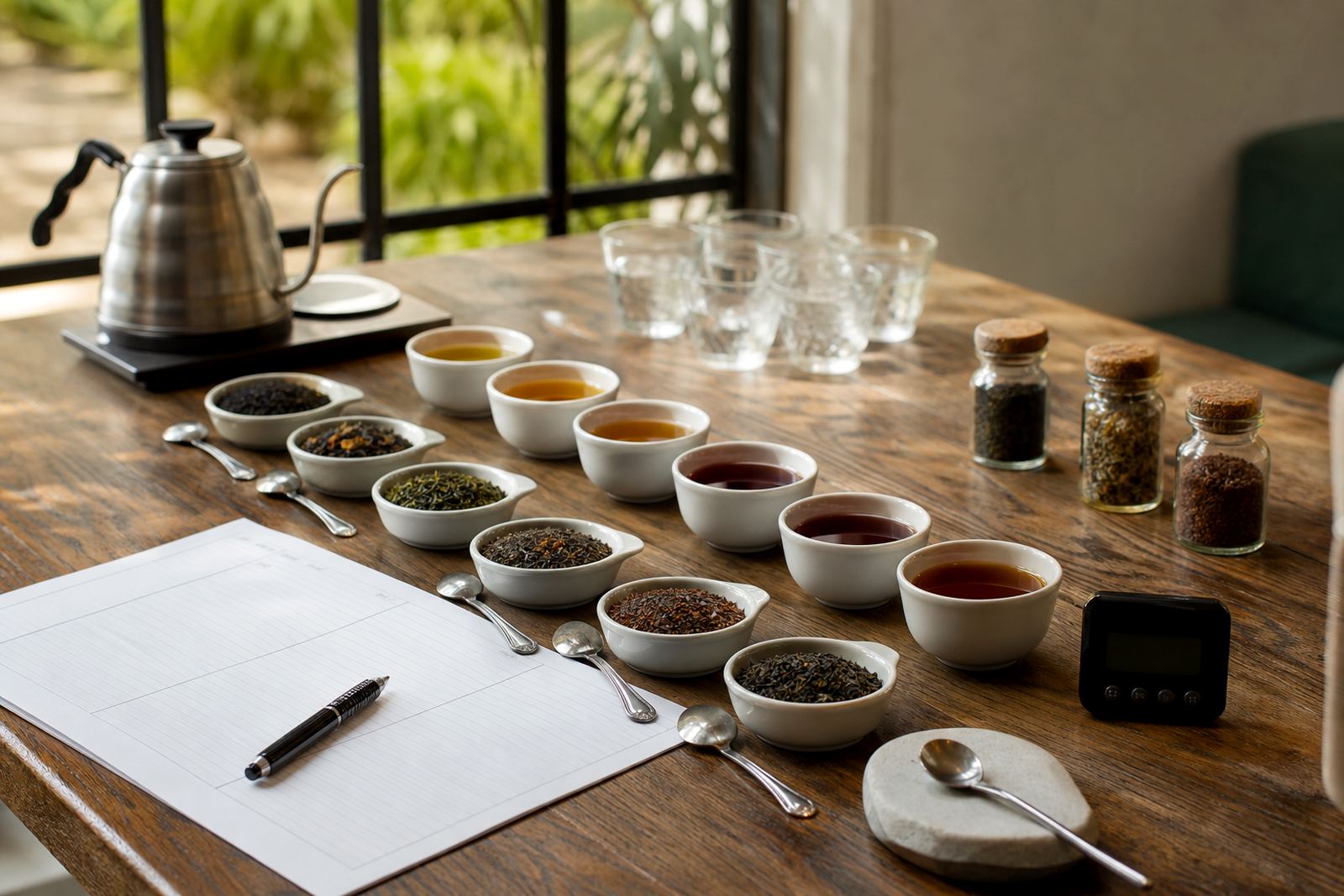
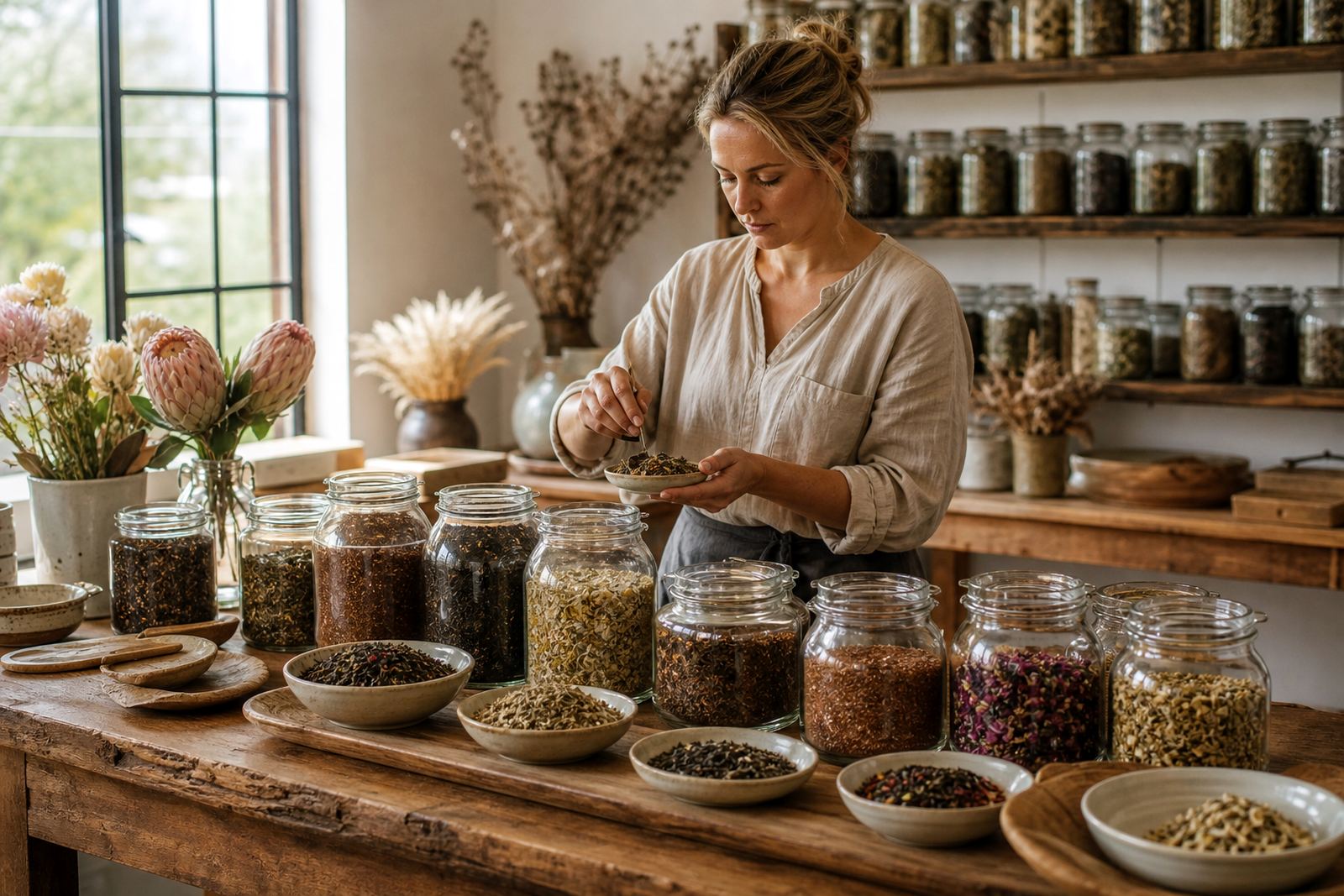
Good tea tasting begins before the kettle whistles. Look at the dry leaf first. Note the size of the pieces, the colour, and whether the blend looks even or mixed. Whole leaves usually brew differently from fine leaf tea, and rooibos often shows a warm red-brown colour with a soft woody smell. Herbal infusions may be brighter, earthier or more floral depending on the ingredients.
Use clean water and the right temperature for the style you are tasting. Black tea and many rooibos blends can take hotter water, while green or delicate herbal blends do better with slightly cooler water. If the water tastes flat or stale, the cup will too. In South Africa that matters more than people think because hard municipal water or an old kettle can change the result quite a lot.
As a practical rule, keep the water source and vessel the same when comparing teas. That way you are tasting the tea, not the plumbing.
Notice The Aroma Before You Sip
Aroma is usually the first clue to quality. Warm the cup, add the tea and give it time to open up. Then smell the steam gently, not too close. You are looking for clear notes rather than a single strong smell. A rooibos blend may show honey, hay, vanilla or spice. A fruit infusion may lean toward citrus, berry or dried apple. A well-balanced tea should smell inviting without being harsh.
Try to name what you notice in plain words. That habit helps more than trying to sound clever. You might say fresh, grassy, nutty, sweet, floral or earthy. If the aroma is dusty, sour or overly bitter, that is useful information too.
- Smell the dry leaf first, then the wet leaf after brewing.
- Take two or three short sniffs instead of one long one.
- Write down the first three words that come to mind.
Sip In Small Mouthfuls And Let The Tea Spread
When you taste, do not rush. Take a small sip and let the tea move across your tongue. Different parts of the mouth pick up different things. Sweetness often feels gentle and rounded, bitterness can sit at the back, and acidity shows up as brightness or lift. Body is the weight of the tea in your mouth. A light tea feels clean and quick, while a fuller tea feels thicker and stays with you longer.
For rooibos, body is often a pleasant smoothness with little or no bitterness. For black tea, you may notice stronger structure and more grip. Herbal infusions can vary widely, so compare them by how they feel not only by how they taste.
If you are tasting several teas at once, rinse your mouth with plain water between cups and give yourself a short pause. It helps reset the palate and keeps one tea from hiding the next.
Look For Sweetness, Bitterness And Balance
Balance is what keeps a tea enjoyable from the first sip to the last. Sweetness does not always mean added sugar. In tea tasting it can mean natural roundness, a soft finish, or a feeling that the tea has no rough edges. Bitterness is not always a flaw either, but too much can overpower the cup. A strong brew, oversteeping or water that is too hot can push the bitter side too far.
Ask yourself a few simple questions as you taste:
- Does the tea taste smooth or sharp?
- Is there enough sweetness to support the flavour?
- Does anything feel out of place, like a sour note or a dry finish?
- Would this tea work well plain, or is it better with food?
Once you start answering those questions, you will notice that some teas are made for quiet mornings and others suit a mid-afternoon cup with a rusk or a sandwich.
Pay Attention To The Finish After The Cup Is Empty
The finish is what remains after you swallow. It may be sweet, dry, cooling, spicy or faintly woody. A good finish often feels clean and pleasant, with the flavour lasting just long enough to invite another sip. If the aftertaste is harsh or muddy, that is worth noting too.
Finish matters because it tells you how the tea behaves over time. Some teas start strong and fade quickly. Others begin softly then linger in a satisfying way. Rooibos often gives a smooth, rounded finish, which is one reason many people enjoy it in the evening. Mint, chamomile and citrus infusions may leave a fresh or cooling effect, while spiced blends can carry warmth long after the cup is empty.
When you taste with finish in mind, you stop choosing teas only for their first impression and start choosing them for the full cup experience.
Taste Tea In A South African Daily Routine
You do not need a formal tasting room to learn good tea habits. Try a simple comparison at home in Stellenbosch, Cape Town or anywhere else on a weekday morning. Brew two teas in small cups with the same water temperature and steeping time. One could be a plain rooibos and the other a rooibos blend with herbs or spice. Smell both, taste both and then make a note of what changed.
This kind of tasting is useful for households, small offices and hospitality teams. It helps when choosing a tea range for guests, planning a tea menu for a guesthouse or selecting blends for events. It also helps in summer when coastal humidity can affect storage and in winter when people want something comforting after load shedding or a long day at work.
- Store tea in a dry, sealed container away from sunlight.
- Keep herbs and rooibos separate if you want their flavours to stay clear.
- Use a consistent teaspoon measure so each brew is fair.
- Label opened packs with the date you started using them.
The more consistent your routine, the easier it becomes to recognise what you enjoy and what you would rather leave out.
Build A Simple Tasting Note For Every Cup
A tasting note does not need to be long. A few short lines are enough. Write the tea name, water temperature if you know it, steeping time and three or four observations. Use everyday language. For example: sweet aroma, medium body, soft spice, clean finish. Over time, your notes will reveal patterns in what you prefer, whether that is floral herbal infusions, stronger black tea or authentic rooibos blends.
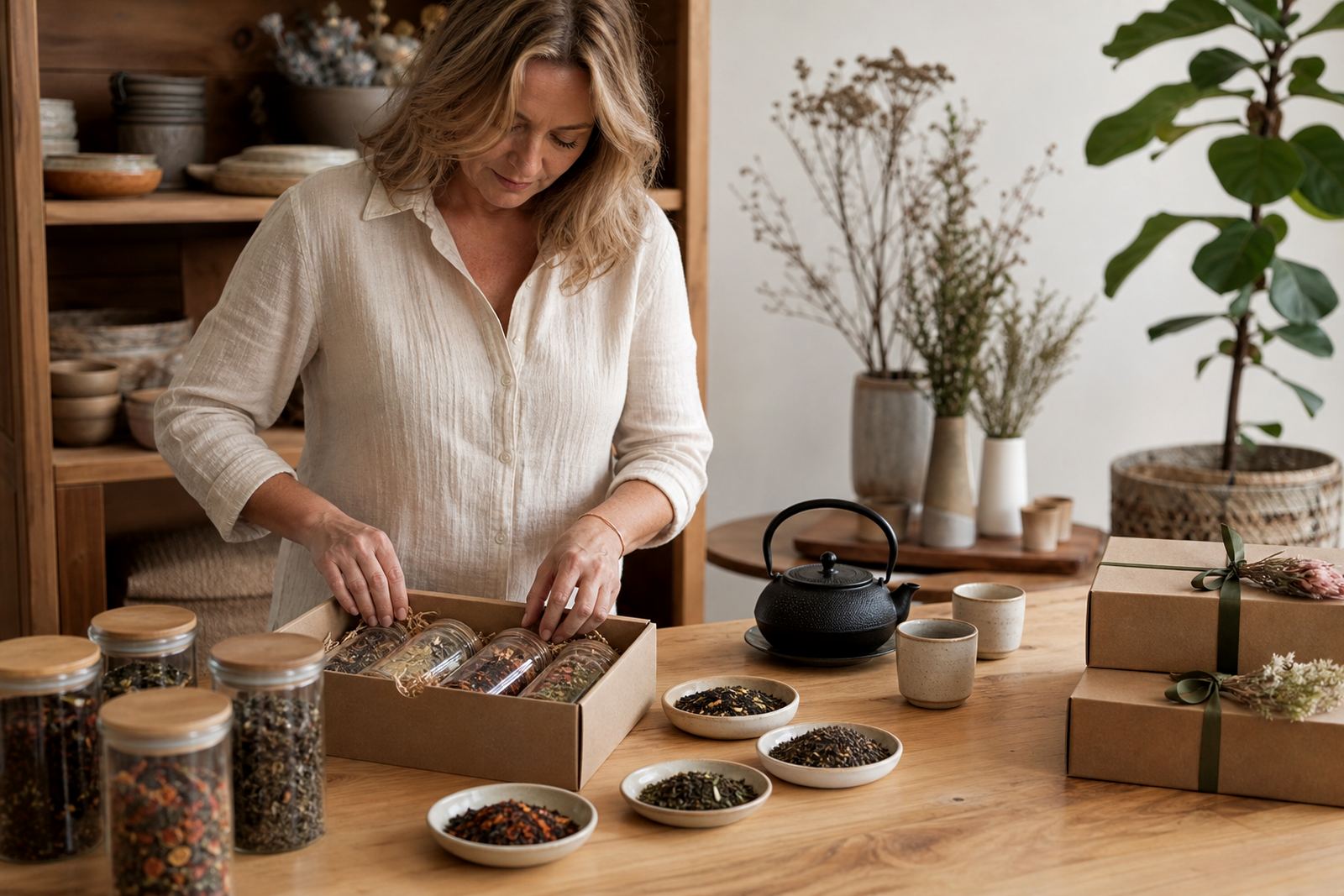
If you are tasting for your home, a guesthouse or a corporate gift selection, notes also help you compare options properly instead of relying on memory alone. You will begin to see which teas hold flavour after a longer steep and which ones are better kept lighter. That makes buying and serving simpler, and it cuts down on waste.
Tea tasting is a practical skill. Once you know what aroma, body, sweetness and finish feel like, every cup gives you more information and better enjoyment.