Why floral tea notes work when they stay in balance
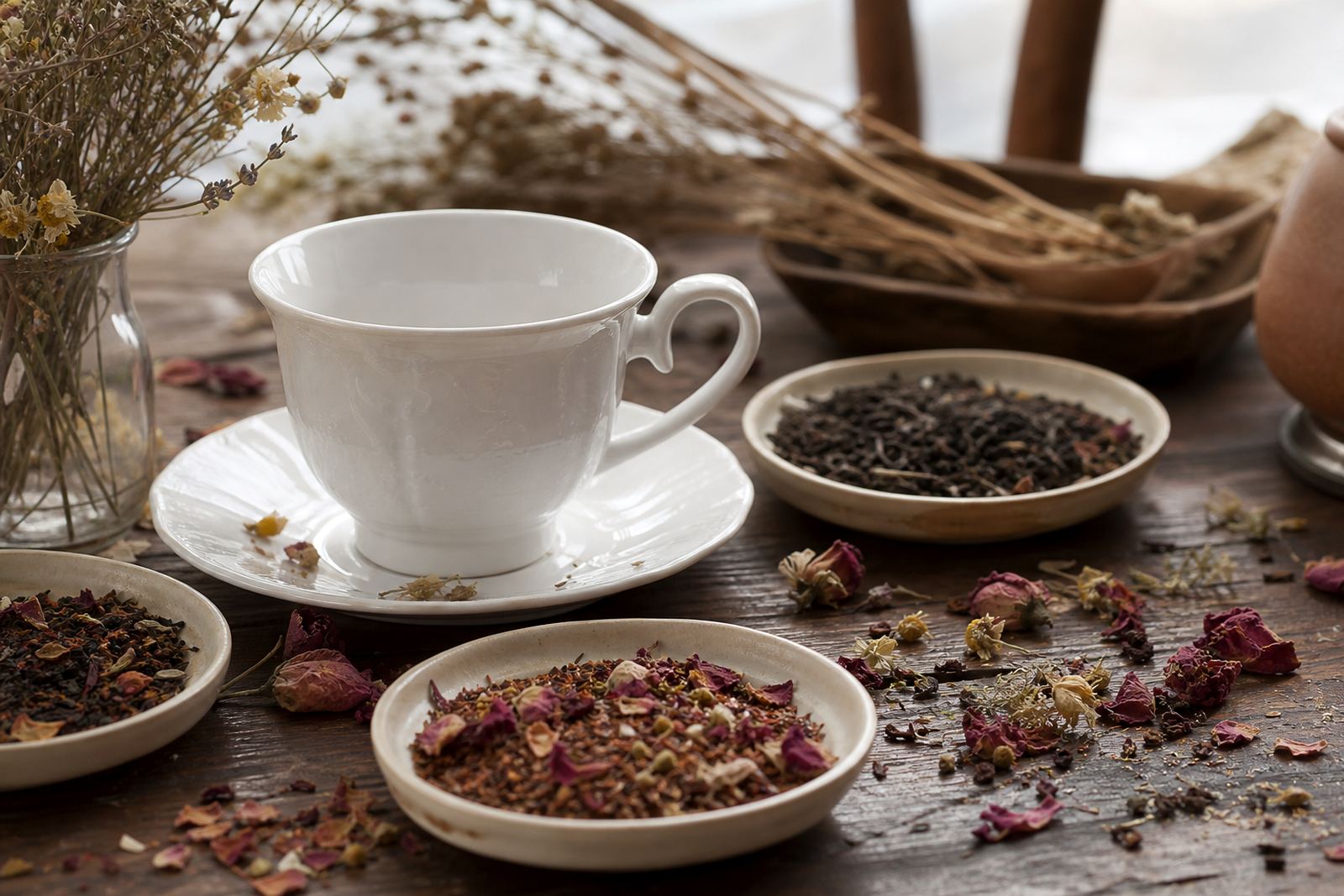
Floral ingredients bring aroma before flavour, which is why they can change a tea the moment hot water hits the leaves. Jasmine gives a soft sweetness, rose brings a round perfume, and lavender adds a clear herbal edge. Used well, these notes make a blend feel lighter and more composed. Used badly, they can taste soapy or overpower the base tea.
The key is proportion. A tea blender needs a strong enough base, usually black tea, green tea, rooibos or a gentle herbal base, so the floral note has structure to sit on. In South Africa, where many people drink tea with milk, sugar or honey, balance matters even more. A floral tea should still taste like tea after the first sip, not like pot pourri in hot water.
Jasmine, rose and lavender each play a different role
These three botanicals are not interchangeable. Each one changes the cup in a different way and suits a different purpose in a blend. When you understand what each brings, it becomes easier to choose the right profile for retail packs, gifting, hospitality or a private label range.
- Jasmine works well when you want perfume and a soft sweetness without too much weight. It suits green tea especially well.
- Rose adds a fuller floral tone and can soften a stronger tea, including rooibos and black tea.
- Lavender is the most assertive of the three and needs careful use. A little goes a long way.
A small batch can be tested at different steeping times too. Five minutes may show the top notes clearly, while longer brewing can reveal if the floral element stays pleasant or becomes sharp.
How to build a blend that tastes like tea first
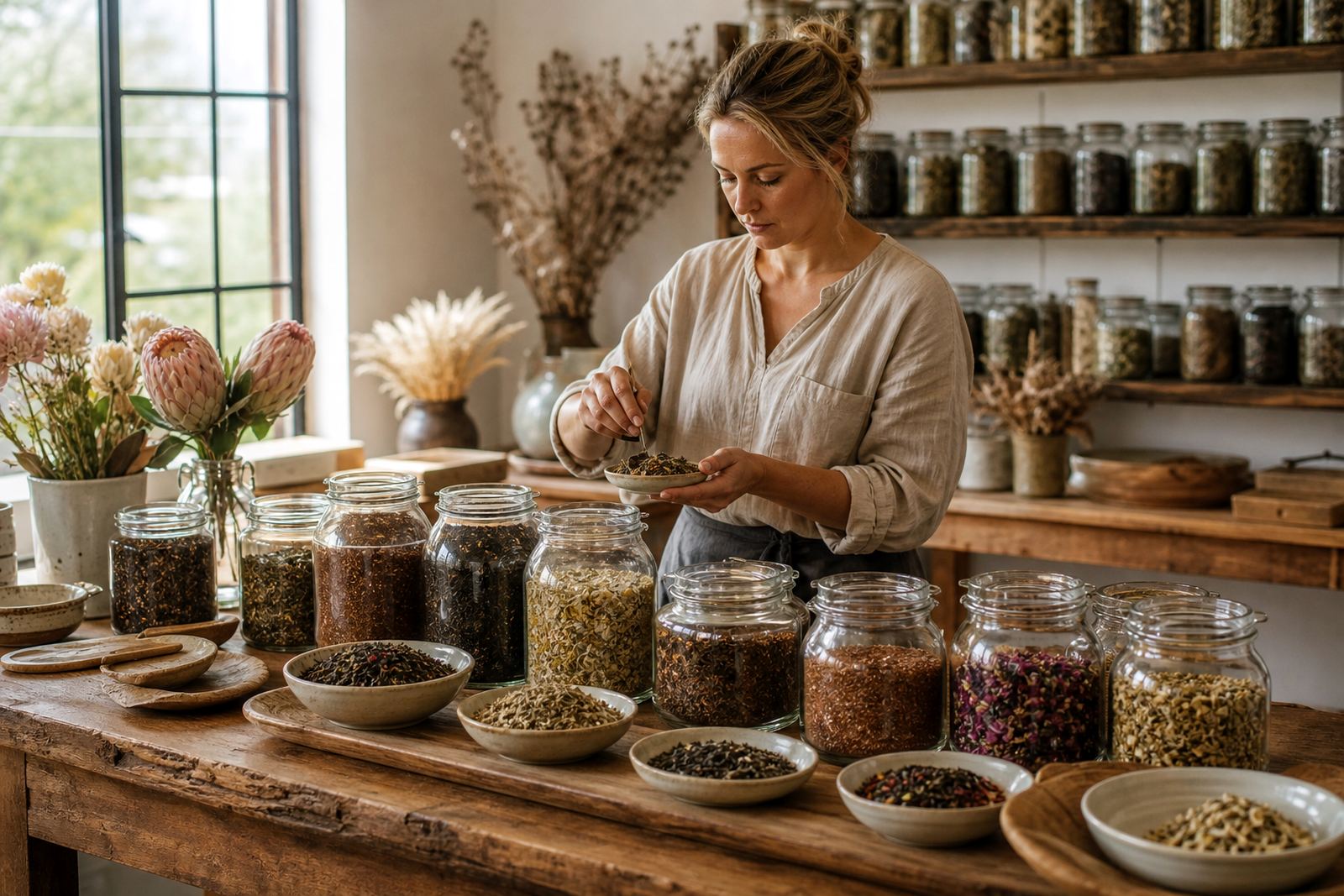
A balanced floral tea starts with the base, not the flower. If the base is too mild, the floral note dominates. If the base is too heavy, the floral note disappears. That is why experienced blenders often work in small steps, tasting at each stage and adjusting before a final pack run.
For local conditions, this matters in a practical way. In Stellenbosch and along the coast, humidity can affect how tea stores and how aromas hold in the pack. A floral blend should be packed in a way that protects scent and keeps the leaf dry. In hot summer months, especially where offices and hospitality venues run aircon on and off, consistency can shift if storage is poor.
- Use a base with enough body to carry the floral note.
- Keep floral additions low at first, then increase slowly.
- Taste the blend both plain and with milk if it will be served that way.
- Check the aroma after storage, not only on the day of blending.
Practical uses for floral blends in South African settings
Floral teas are not only for home kitchens. They work well in guest houses, tasting rooms, wedding tables, staff kitchens and office hospitality cupboards. A rose rooibos can suit an evening menu, while a light jasmine green tea can work in a lunch service where something fresh is needed after a meal. Lavender is best used sparingly for a calm evening cup or a seasonal gift range.
In a Stellenbosch example, a small guesthouse serving tea after a winter cellar tour may want something fragrant but not sugary. A rose and rooibos blend can feel warm and familiar, while still offering a more refined cup than a plain herbal infusion. If the same tea is supplied for a wedding favour, the packet needs a clear flavour profile that holds up over time and still tastes right weeks later.
What to look for when buying floral tea ingredients
Quality matters because floral ingredients can vary a lot. Loose petals, whole buds and properly dried leaves usually give a cleaner result than dusty cuts or stale stock. When ingredients are fresh, the cup smells natural and the finish stays tidy. When they are old or overdone, the floral note can turn flat or bitter.
Ask for blends that list the base and floral elements clearly. A good supplier should be able to explain how much jasmine, rose or lavender is in the mix and what the intended brew style is. That is especially useful for hospitality buyers who need a repeatable product across several branches or service points.
- Look for bright colour, not faded petals.
- Check that the aroma is gentle and clean, not harsh.
- Ask how the blend performs in hot brewing and longer standing time.
- Choose packaging that helps preserve fragrance during courier transit.
Keeping floral tea practical for daily use and gifting
Floral teas can sound delicate, but they should still be practical. A good blend needs to brew well in a mug, a pot or a service urn without demanding special handling. It should also remain stable in storage and travel well across South Africa, from Cape Town and Paarl to Johannesburg, Pretoria, Durban and Bloemfontein.
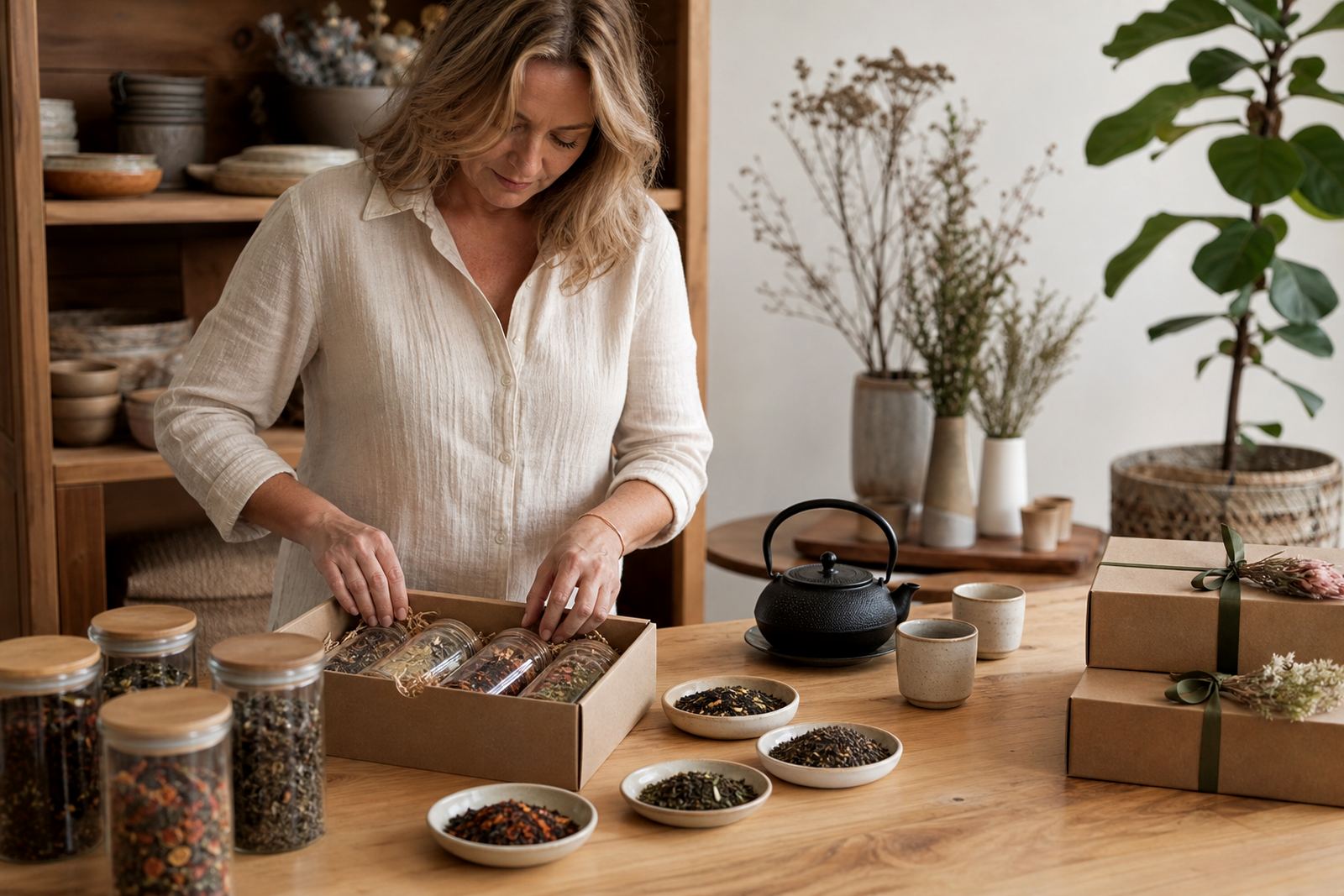
For gifting, a floral blend works best when the flavour is clear enough to explain in one line. For daily use, it must be easy to prepare and pleasant from the first cup to the last. That is where careful blending comes in. At Cup Of Tea Co, floral notes are treated as part of the whole cup, not as decoration. The aim is simple: a tea that smells beautiful, drinks cleanly and still feels like something people want to return to tomorrow.