What Sets Herbal Tea Apart From Black Tea
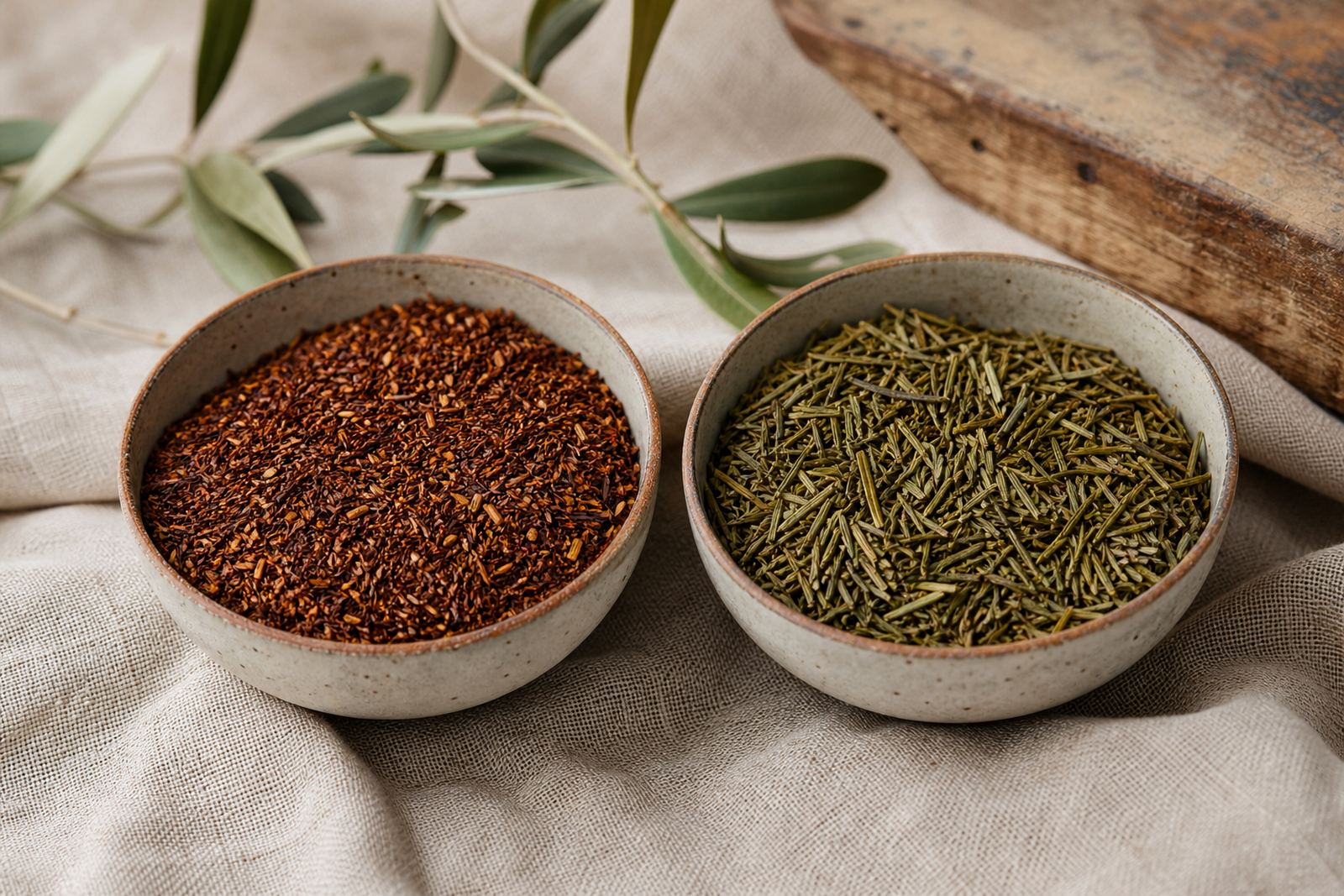
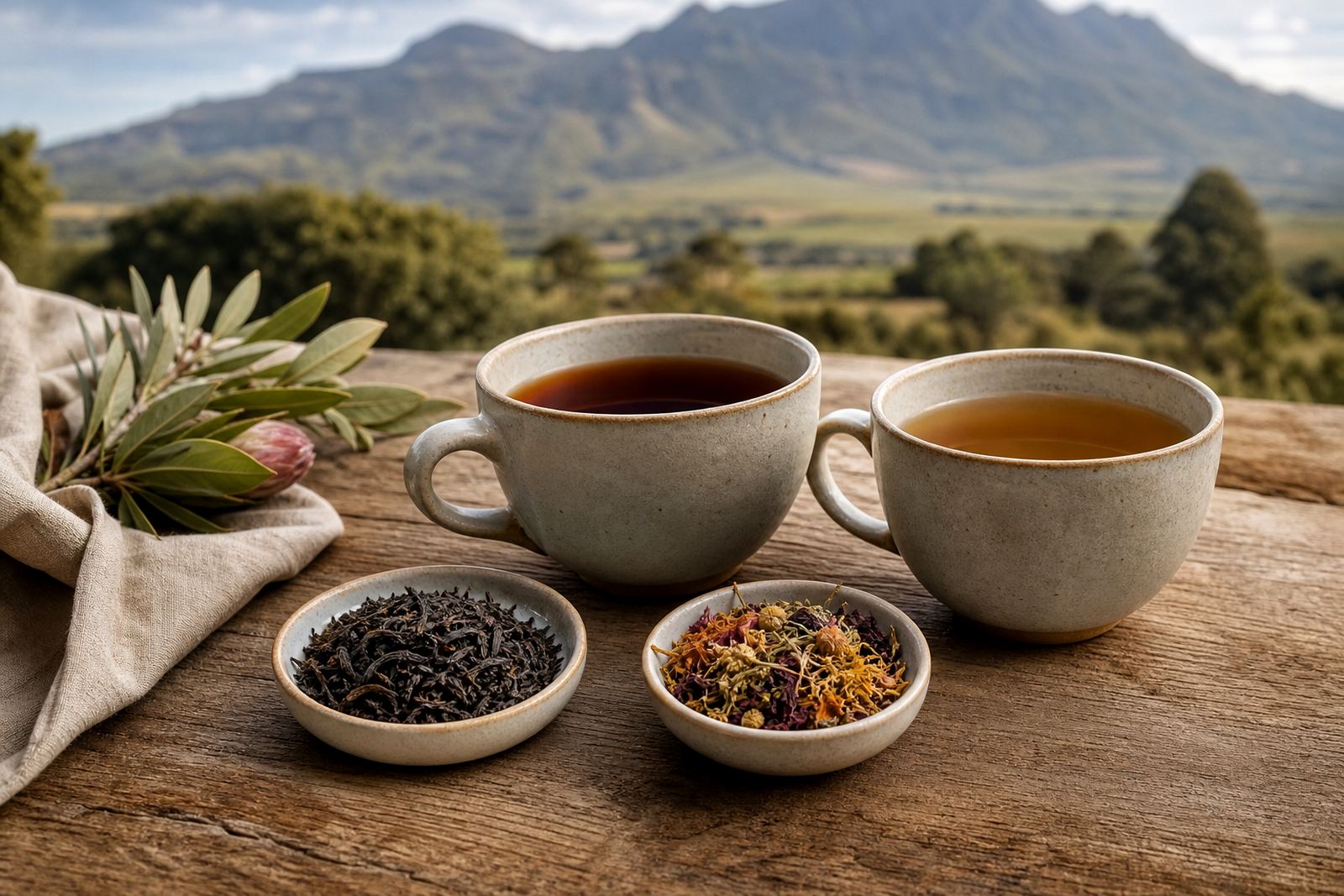
Black tea comes from the tea plant and is made through full oxidation, which gives it more structure, a deeper colour and a stronger cup. Herbal tea, by contrast, is usually made from leaves, flowers, roots, seeds or fruit that do not come from the tea plant at all. That is why a herbal infusion can taste grassy, floral, spicy or fruity, while black tea usually brings malty, tannic or slightly sweet notes.
In South African homes this difference matters because the two styles suit different moments. Black tea is often the one for breakfast, office breaks and milk service, while herbal tea is more common later in the day when people want something lighter. At Cup Of Tea Co in Stellenbosch, we see that many customers keep both in the cupboard for different reasons, not as substitutes but as separate drinks with their own place.
A practical rule is simple: if you want a cup with grip and depth, black tea is usually the better fit. If you want something gentler, caffeine free or more aromatic, herbal blends are often the better choice.
Body And Strength: Which Cup Feels Heavier
Body is the easiest way to compare these two styles. Black tea has more weight in the mouth and gives that fuller, more filling sip. It can hold milk well and still keep its character. Herbal tea is usually lighter, though some blends with rooibos, ginger or chamomile can feel rounder than expected.
If you are serving tea for a meeting, conference or hospitality tray, the body of the tea changes how people experience the whole break. A black tea offers a firmer, more traditional cup. Herbal blends are better when you want a softer option for people who do not want caffeine or prefer a gentler finish.
- Choose black tea when the cup must stand up to milk, sugar or a biscuit on the side.
- Choose herbal tea when you want a calmer drinking moment and a lighter finish.
- Choose stronger herbal blends for afternoon service, especially if guests are moving between sessions.
- Use black tea for a more familiar breakfast style service in hotels, guest houses and offices.
Flavour Differences You Can Taste Straight Away
Black tea usually gives a clear tea flavour first, then a dry finish or a sweet aftertaste depending on the blend. The best loose-leaf black teas can taste brisk and clean, with notes that sit well with milk or lemon. Herbal teas are more open-ended. Rooibos can bring soft honeyed notes, while peppermint, lemon balm, chamomile or cinnamon each gives a different profile.
This is why herbal blends are often used for flavour-led drinking. They are not trying to taste like tea in the classic sense, they are building a separate flavour experience. If you want something comforting but not heavy, a rooibos-based herbal blend can be a good middle ground. It carries local character and works well for late afternoon or after dinner.
When people compare the two for the first time, the main surprise is often that black tea can taste more restrained while herbal tea can taste more expressive. That does not mean one is better. It means they solve different needs in the same kitchen or tea station.
Caffeine, Timing And Daily Use
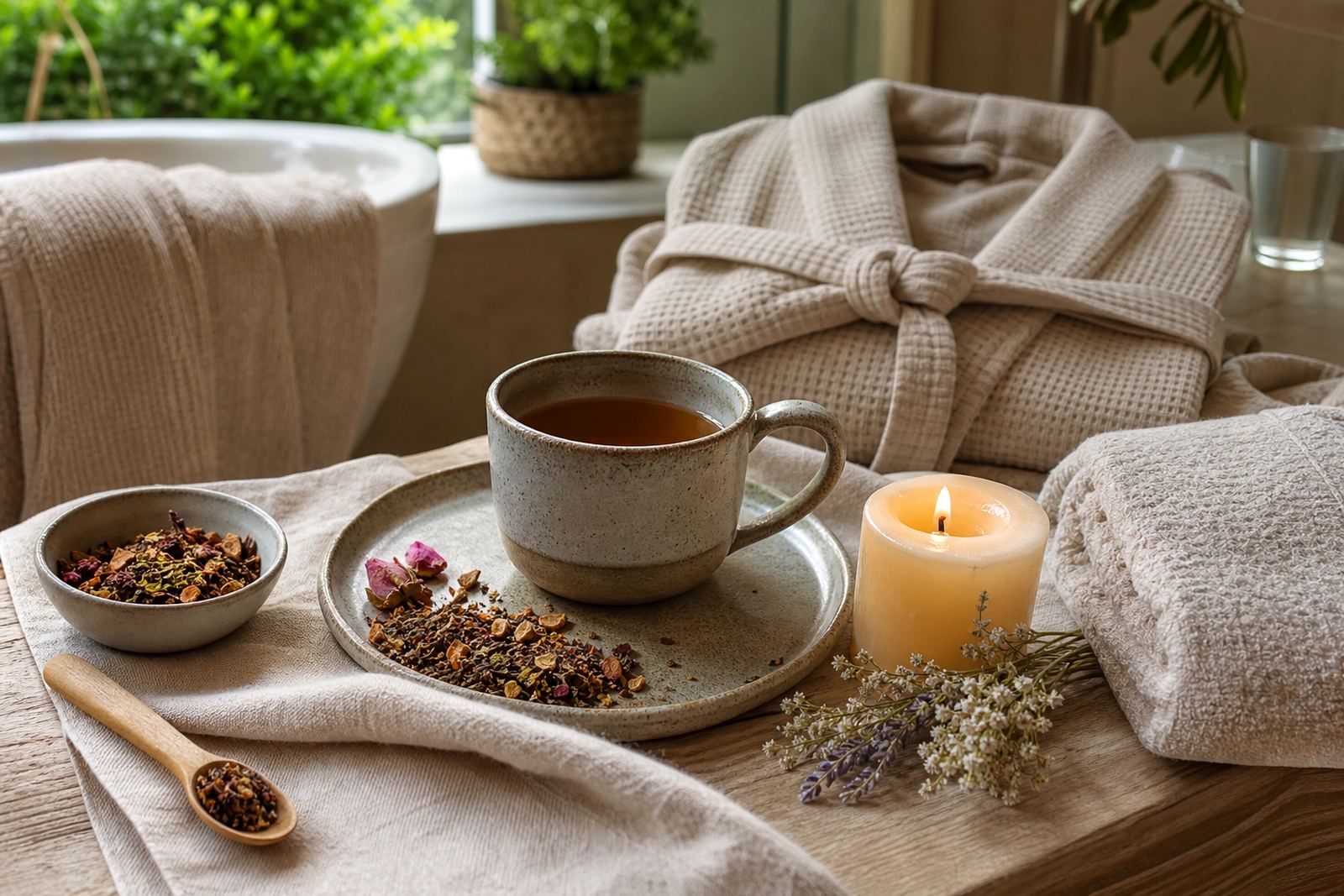
Most black teas contain caffeine, so they suit the start of the day, busy work periods and any service where people want a sharper lift. Herbal teas are usually caffeine free, which makes them practical for evenings, after meals and homes where some family members avoid stimulants. For schools, clinics, guest houses and office tea supply, that difference can be important.
In Stellenbosch and the surrounding Winelands, we often hear from customers who want one tea for the morning and another for the evening. It makes sense. A black tea at 07:00 can feel right before traffic, school runs or load-shedding planning, while a herbal blend is often better once the day slows down. In hot weather too, a chilled herbal infusion can be easier to drink than a strong black tea.
- Morning: black tea for energy and a more traditional tea break.
- Afternoon: either style, depending on whether you want refreshment or fullness.
- Evening: herbal tea for a lighter, caffeine free cup.
- After meals: herbal tea when you want a softer finish.
Serving Moments For Homes, Offices And Hospitality
The best tea for a moment depends on who is drinking it. In a home setting, black tea is often the default for visitors, while herbal tea is the bottlebrush in the background that gets used when someone wants a gentler cup. In offices, black tea usually moves faster because it suits routine breaks and pairings with milk. Herbal tea works better when staff want variety or when some people avoid caffeine.
For hospitality supply, the choice is more strategic. A guest house in Somerset West may keep black tea for standard service and rooibos blends for guests who expect a South African option. A wedding venue in Paarl might offer a herbal station for guests who do not drink alcohol or coffee, while still keeping black tea available. Even in Durban, where humidity can affect storage, both styles need cool, dry shelving and sealed containers to keep their flavour clean.
When you are planning tea for events or a tea menu, think in pairs rather than single choices. One black tea and one herbal blend already cover a large part of what guests usually want.
How To Choose The Right Blend For The Job
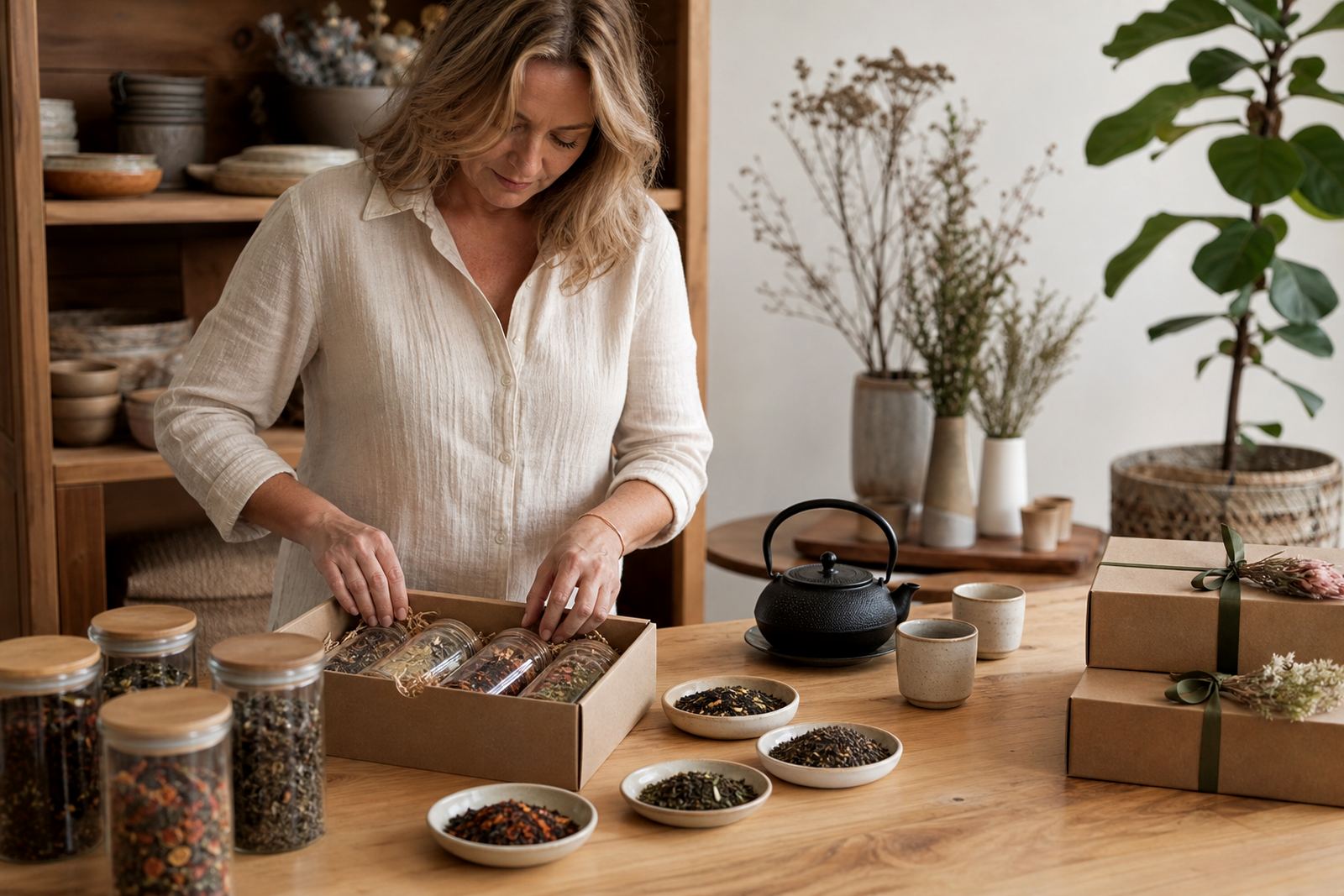
If you are choosing tea for home, business or gifting, start with the drinking moment not the label. Ask who will drink it, what time it will be served and whether it needs milk, lemon or plain hot water. Then decide if body or flavour should lead the choice. Black tea is usually the practical answer when you need structure. Herbal tea is usually the better answer when you want ease, fragrance or a caffeine free option.
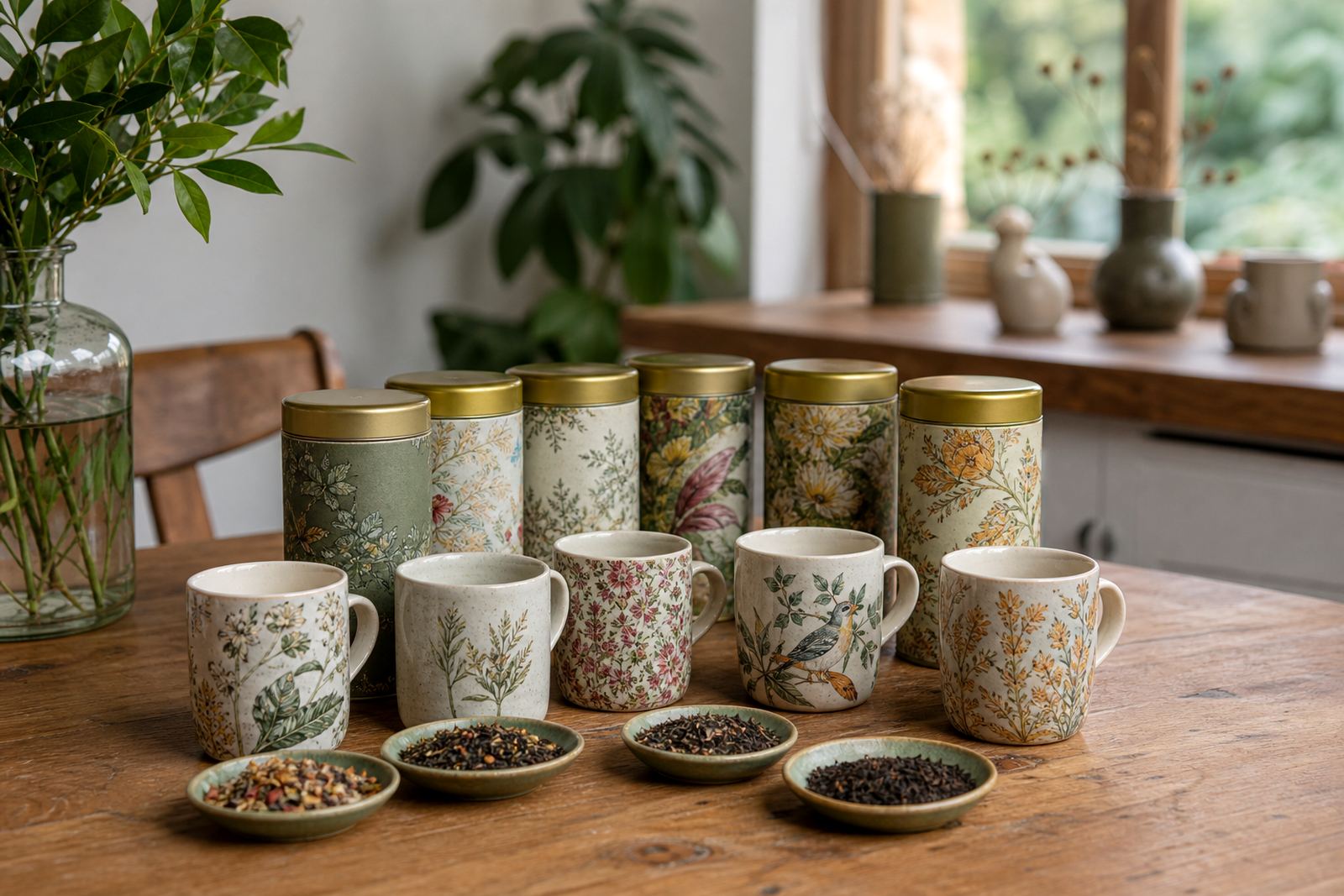
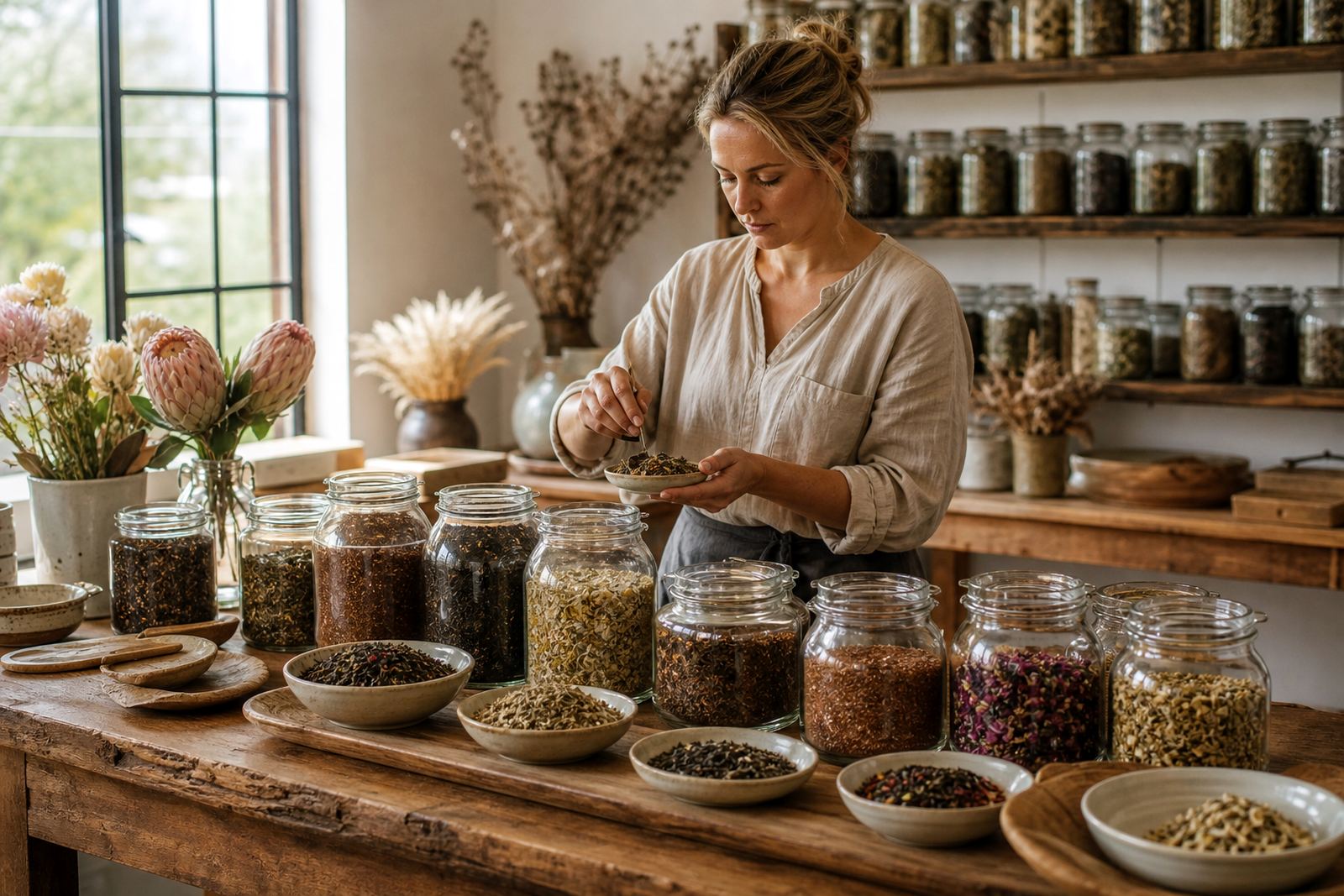
At Cup Of Tea Co, we often help customers in Cape Town, Johannesburg, Pretoria, Durban and Bloemfontein build a simple mix that covers daily use and special occasions. A sensible cupboard might include one breakfast black tea, one rooibos blend and one softer herbal infusion for evenings or guests. That keeps things useful without overcomplicating the shelf.
If you are ordering for a business or event, it also helps to think about stock rotation. Black tea generally gets used faster in offices, while herbal blends can be reserved for slower service, seasonal hampers or tasting sessions. Keep both sealed, away from heat and strong kitchen smells, and the cup will stay cleaner for longer.