
Why caffeine-free matters after the afternoon rush
Many tea drinkers only notice the difference when they swap a black tea for a caffeine-free cup and suddenly sleep better. In South African homes, especially in winter, the last thing you need is a strong brew at 7pm keeping you alert when the power is off and the house is cooling down.
Caffeine-free does not mean boring. It simply means you can still enjoy a warm cup, flavour and ritual without the stimulation that comes from tea leaves with caffeine. For late study sessions, after-dinner cups and bedtime routines, this matters more than people think.
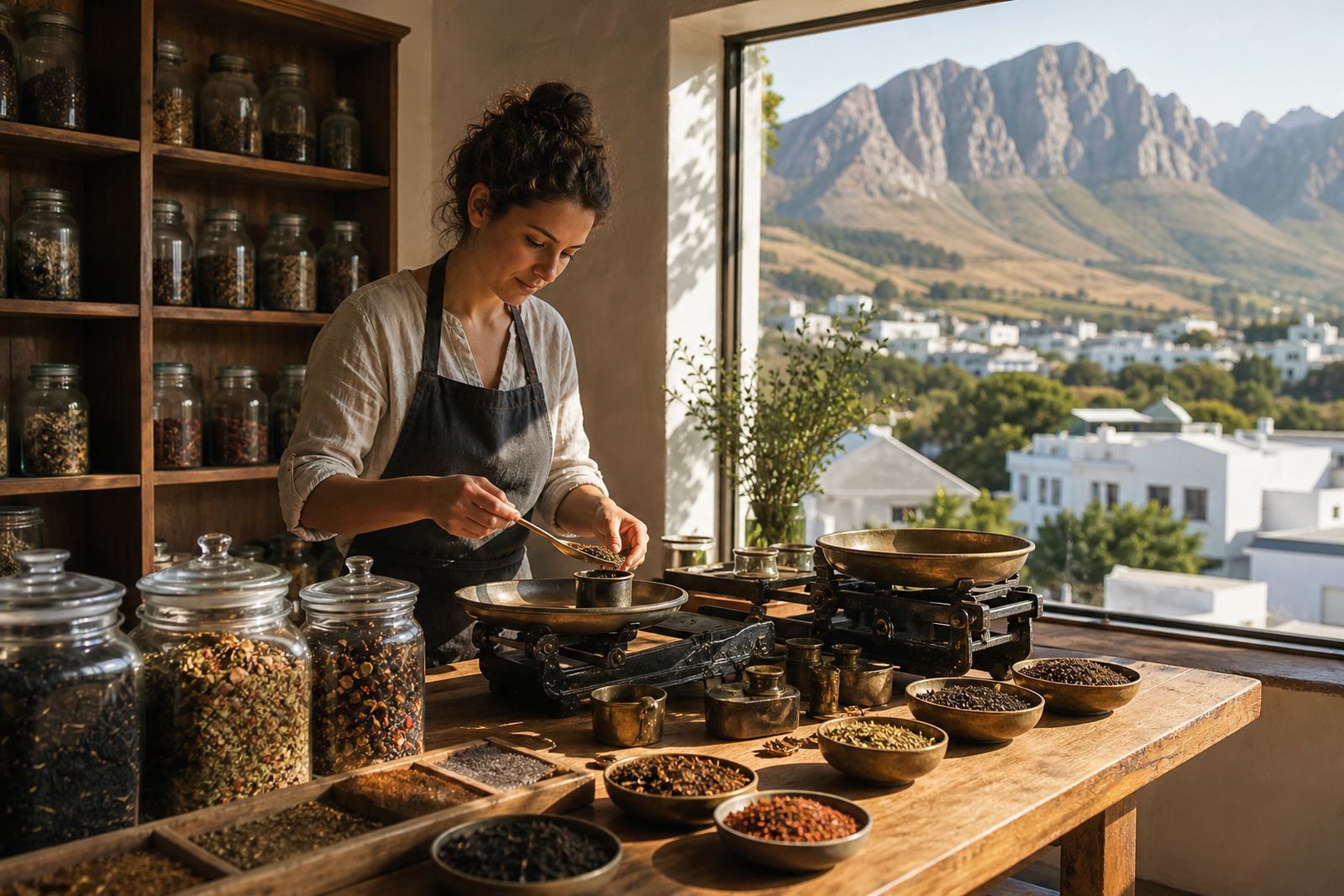
At Cup Of Tea Co in Stellenbosch, we see steady demand for blends that suit real daily life: school runs, office deadlines, coastal humidity in summer and chilly inland evenings. The best option depends on what you want from the cup, whether that is sweetness, body, freshness or a cleaner finish.
Rooibos: the dependable South African base
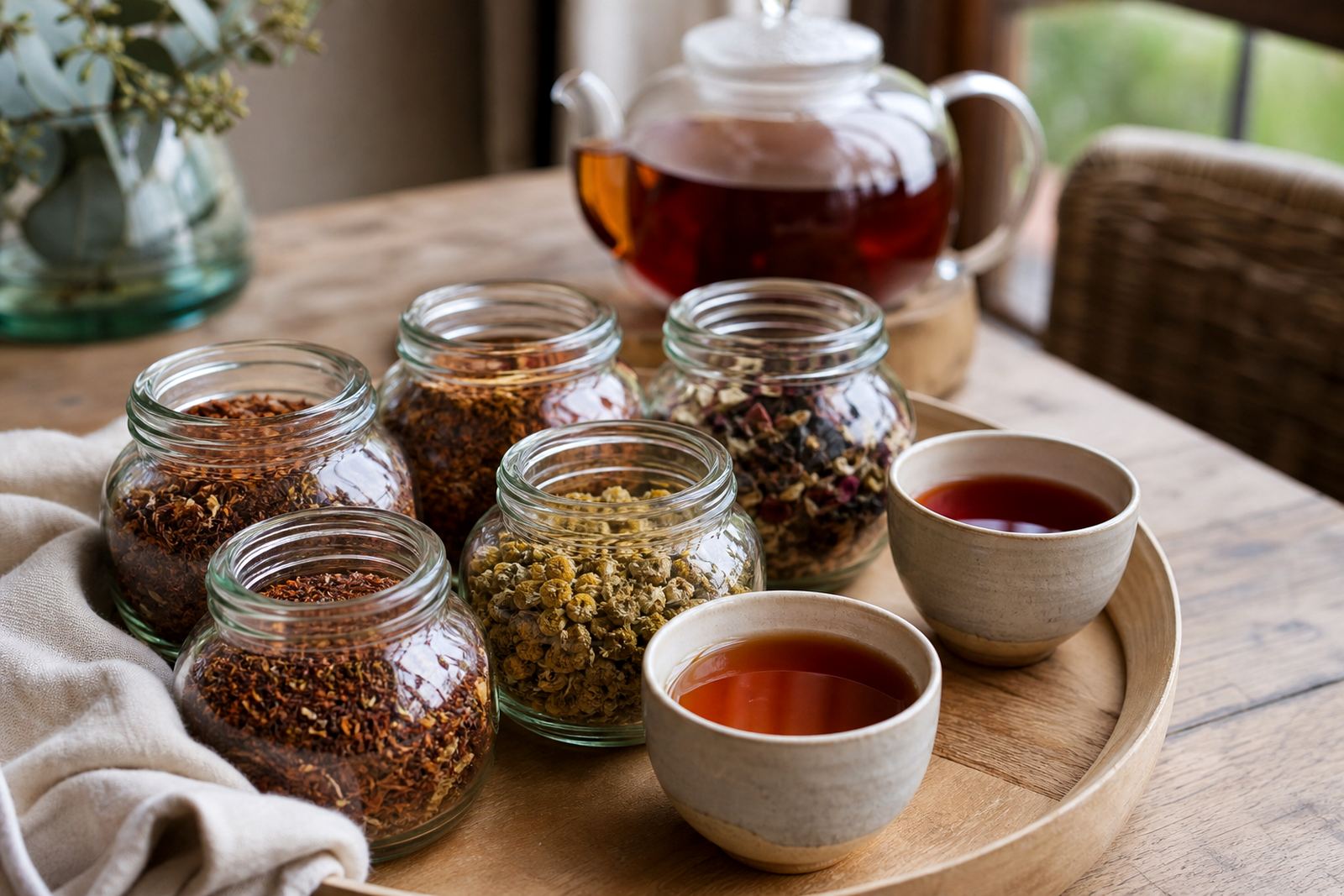
Rooibos remains the first choice for many South Africans because it is familiar, easy to drink and naturally caffeine-free. It has a smooth, rounded taste with gentle sweetness and very little bitterness, which makes it suitable for beginners as well as regular tea drinkers.
Plain rooibos works well on its own, but it also takes flavouring nicely. Citrus, vanilla, cinnamon and spice blends all sit comfortably on a rooibos base. If you are serving guests, rooibos is often the safest choice because it suits different palates and can be enjoyed with or without milk.
- Choose plain rooibos for everyday drinking and loose-leaf simplicity.
- Choose flavoured rooibos when you want a sweeter cup after supper.
- Choose stronger cut leaf if you prefer a deeper brew for a thermos or mug.
- Use boiling water and allow 5 to 7 minutes for a full flavour.
For offices in Cape Town or Pretoria, rooibos also works well because it holds its character in a large urn or tea station without turning harsh. That makes it practical for meeting rooms, reception areas and hospitality trays.
Honeybush: softer, sweeter and good for a gentle evening cup
Honeybush is another South African favourite and, compared with rooibos, it often tastes a touch softer and sweeter. People who find some teas too earthy or too dry usually like honeybush because it gives a smoother finish with a mild floral note.
It is a useful option for later-day drinking when you want something comforting but not heavy. Honeybush can be particularly good after a late meal, and many households use it as an evening routine tea for visitors who want a caffeine-free cup without a strong herbal taste.
If you are choosing between rooibos and honeybush, think about the mood you want in the cup. Rooibos feels a little more familiar and steady. Honeybush feels softer and slightly more fragrant. Some blends mix the two, which can be a nice middle ground for family use.
- Pick honeybush if you prefer a sweeter, lighter taste.
- Try it with citrus peel for a fresher profile.
- Use it for late-afternoon serving at weddings, guest houses or tasting tables.
- It suits both winter mugs and chilled summer servings over ice.
Herbal infusions for when you want flavour without tea leaf strength
Herbal infusions are not tea in the strict sense, but they are often grouped with tea because they are steeped the same way. They are made from herbs, flowers, fruit pieces and spices, and they offer the widest range of flavour among caffeine-free drinks.
This is where you can match the drink to the time of day. A mint blend is useful after lunch, chamomile works well for a calm evening, and ginger or citrus blends can suit cold weather or a sore throat. In Stellenbosch winters a mug beside a laptop on a load-shedding evening can be as much about comfort as taste.
Because herbal infusions vary so much, you need to read the blend carefully. Some are naturally sweet, some are sharp, and some are better with a little honey. A good rule is to think about the function first, then the flavour. If you want sleep support, look for calming herbs. If you want refreshment, look for mint or citrus.
How to choose the right caffeine-free cup for the time of day
The best caffeine-free tea depends on when you plan to drink it and what else you have eaten. A rich rooibos can stand up to milk and biscuits, while a lighter herbal blend may be better after lunch or in hot weather. For family homes, it helps to keep at least two types on hand so everyone can choose what suits them.
If you are buying for an office, guest house or gifting order, think in terms of use rather than novelty. Some people want a cup that tastes like tea, others want a wellness style infusion. The clearer the purpose, the easier it is to build a selection that gets used instead of sitting in the cupboard.
- For evenings: rooibos, honeybush or chamomile-based blends.
- For after meals: mint, ginger or citrus infusions.
- For guests: a mild rooibos blend that suits most tastes.
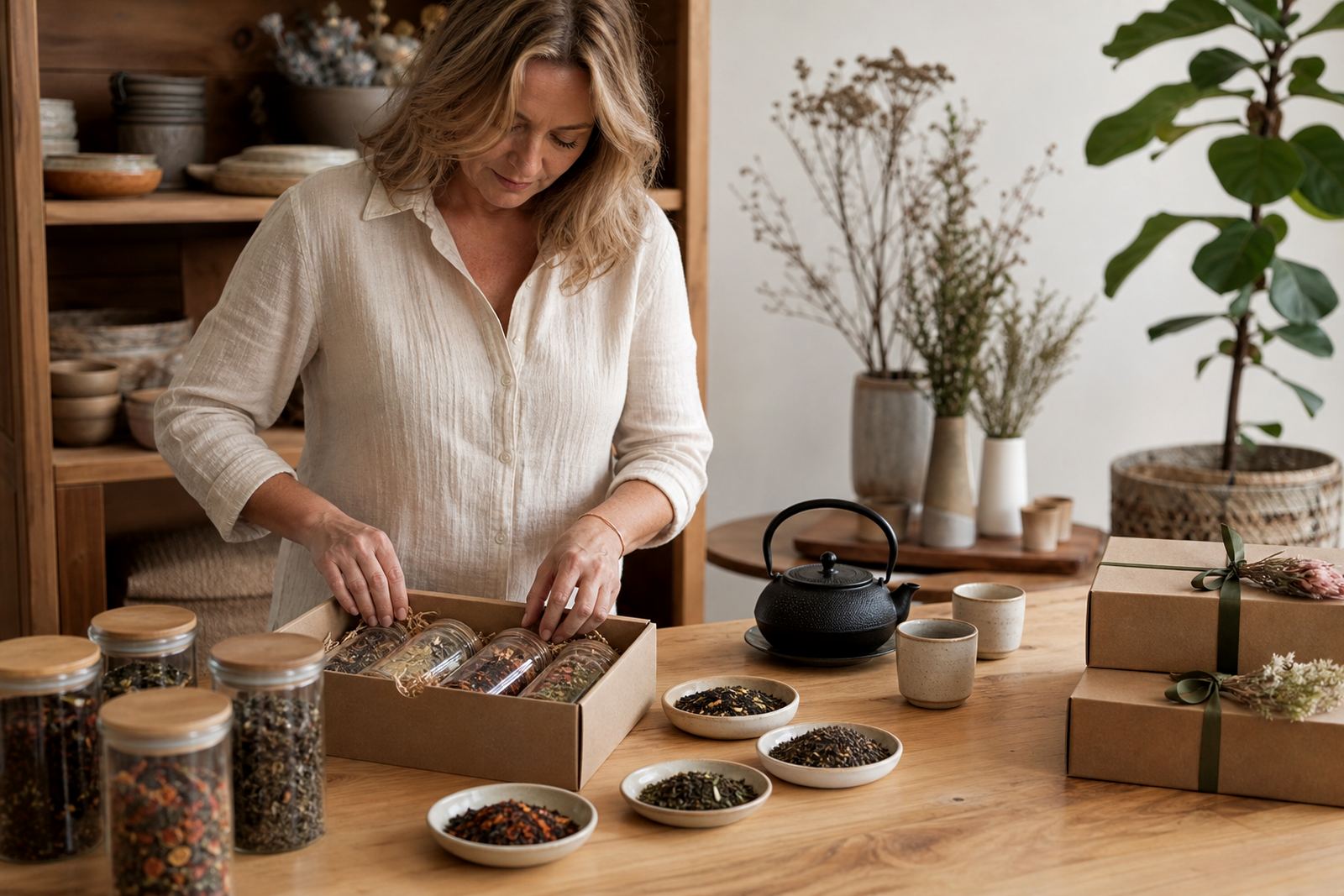
- For gifting: a mixed box with one familiar option and one more adventurous flavour.
If you are serving in Paarl, Somerset West or Durban where humidity can affect storage, keep the tea sealed and away from heat and sun. Loose blends stay fresher when packed properly and handled with care.
Serving tips that make caffeine-free tea taste better
Good tea is not only about the blend, it is also about the way it is made. Many people under-brew rooibos and herbal infusions, then assume the flavour is weak. In reality these drinks need enough time in hot water to open up properly.
Use freshly boiled water for rooibos and most herbals, then steep long enough for the cup to develop body. If you are making tea for a group, pre-warm the pot and measure the leaves so the flavour stays consistent from cup to cup. That matters in hospitality settings and at events where timing is tight.
A few simple habits improve the result:
- Cover the cup or pot while steeping to keep the heat in.
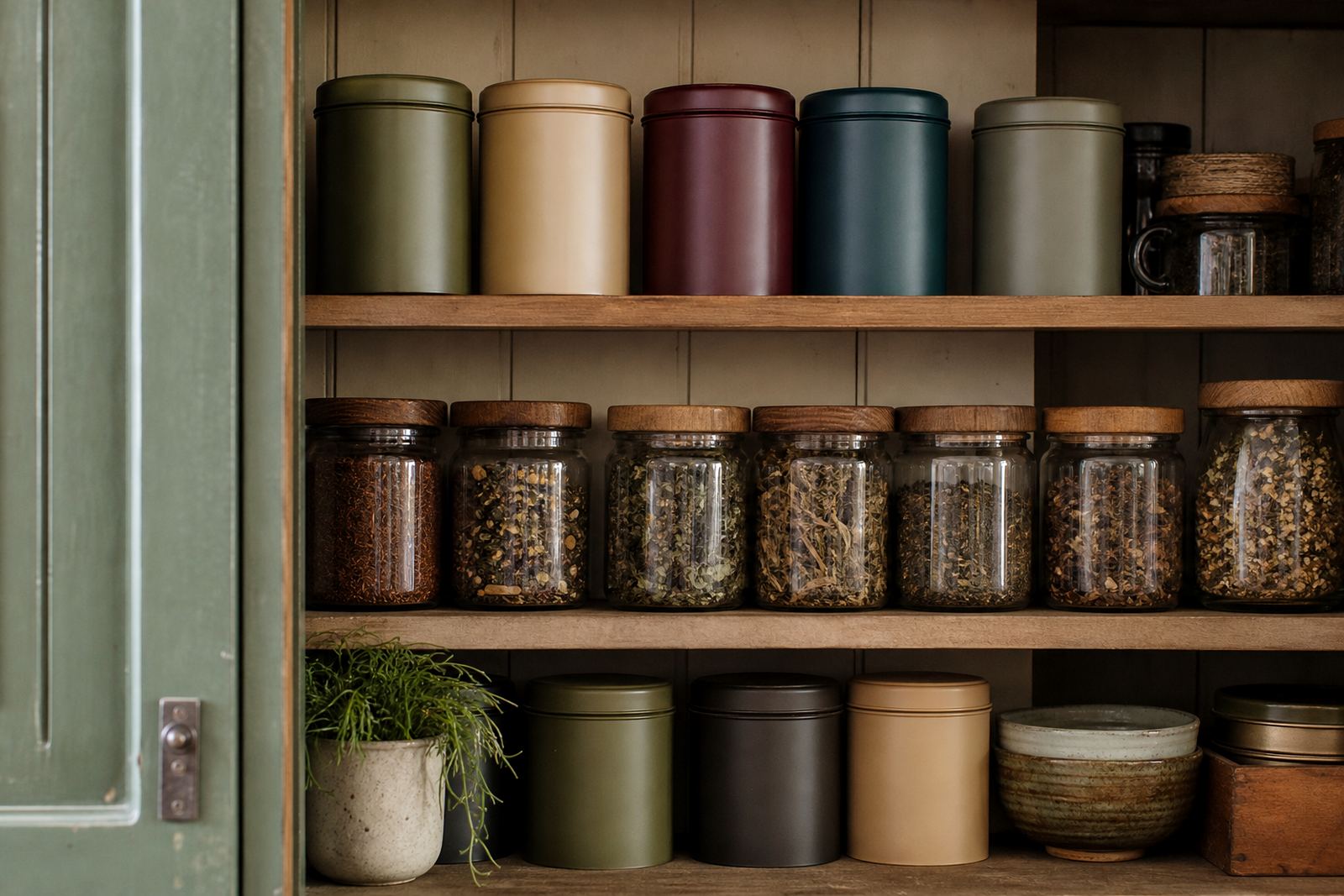
- Store blends in airtight containers, especially in coastal towns.
- Use clean water because stale water flattens the flavour.
- Keep milk and sweeteners optional so guests can choose their own style.
For small offices in Johannesburg or Pretoria, a kettle, timer and a clear tea station can make a big difference during long afternoons. It sounds basic, but it saves waste and gives people a proper break.
A practical local example from late afternoon in Stellenbosch
Picture a small team in Stellenbosch finishing a long Friday in summer. The office is warm, a few people are winding down before traffic and one person wants a cup of tea but not something that will keep them awake on the drive home. That is where caffeine-free options earn their place.
A plain rooibos works for the person who wants a familiar cup. Honeybush suits the one who prefers something softer. A mint or citrus infusion gives a fresher choice for someone who has had a heavy lunch. No one has to settle for one flavour, and nobody is left with a strong caffeinated brew at the wrong time of day.
That flexibility is why caffeine-free tea options are useful in homes, offices, guest houses and event service. They keep the tea ritual intact, without pushing the body into alert mode when what you really want is a calm end to the day.