
Start with a calm plan, not a complicated menu
The easiest afternoon tea starts with a short guest list and a clear idea of what you want the table to do. Keep the food modest, choose two or three teas and focus on comfort rather than a long spread that leaves you stuck in the kitchen. In South African homes, especially when the weather turns warm in Stellenbosch or the wind picks up in Cape Town, a lighter menu works well because guests can settle in without feeling weighed down.
Think in layers. One savoury item, one sweet item and one simple fresh element is often enough. If you are serving over a school holiday, after a baptism, or as a small birthday catch up, you can do it all with a kettle, a few platters and a clean tablecloth. There is no need to overstate the occasion. The point is to make people feel looked after.
- Choose a start time that suits the day, usually mid afternoon around 14:30 to 16:00.
- Set out cups, teaspoons, napkins and serving plates before guests arrive.
- Keep the menu manageable so you can enjoy the company too.
Choose teas that suit a mixed crowd
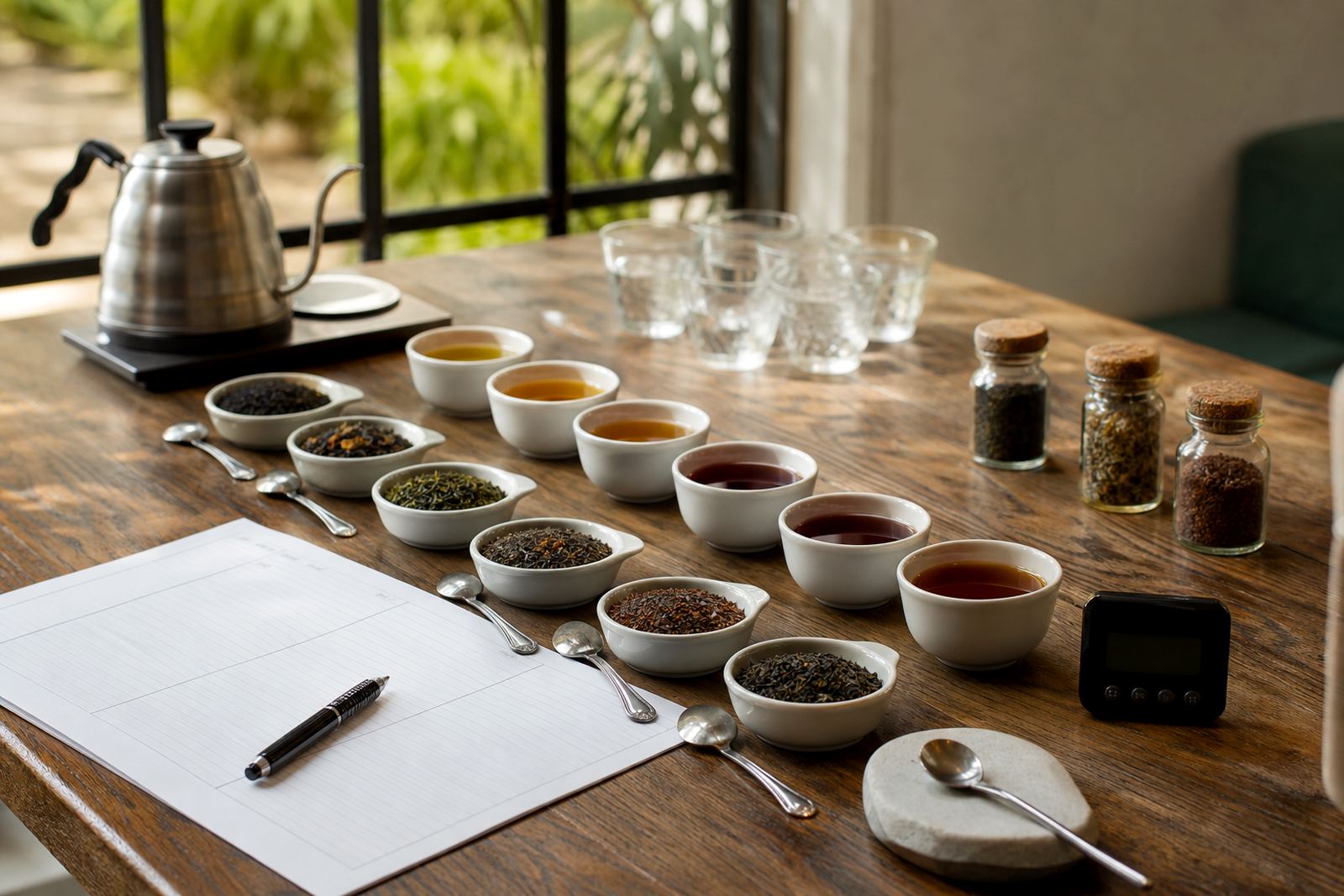
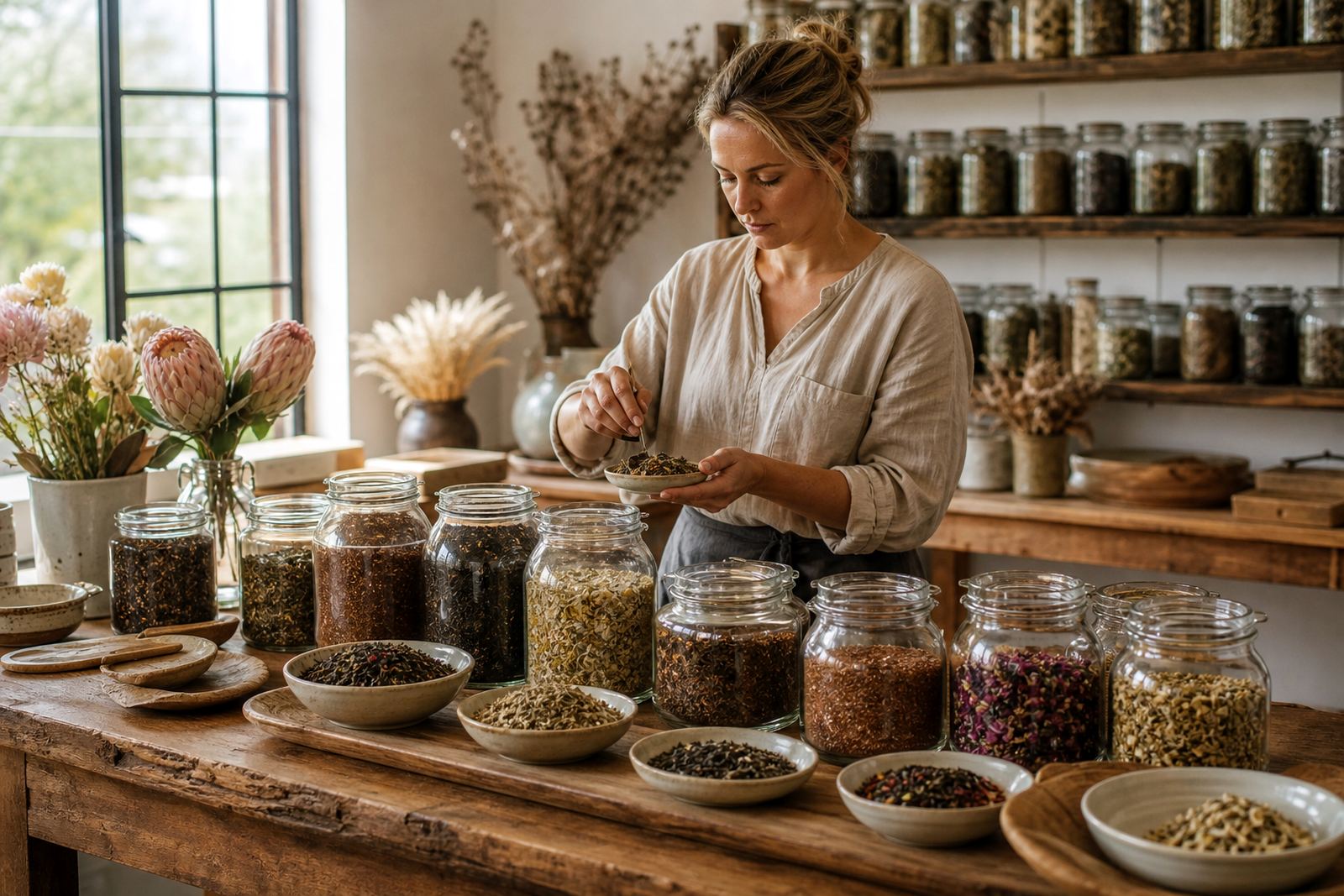
When you are hosting a mixed group, offer one familiar black tea, one rooibos option and one caffeine free herbal infusion. That gives every guest a sensible choice without turning the table into a tasting lab. Rooibos is a reliable favourite in South Africa because it works well with milk, lemon or plain, and it handles a second cup without going bitter. Herbal infusions are useful for guests who want something lighter after lunch or who avoid caffeine later in the day.
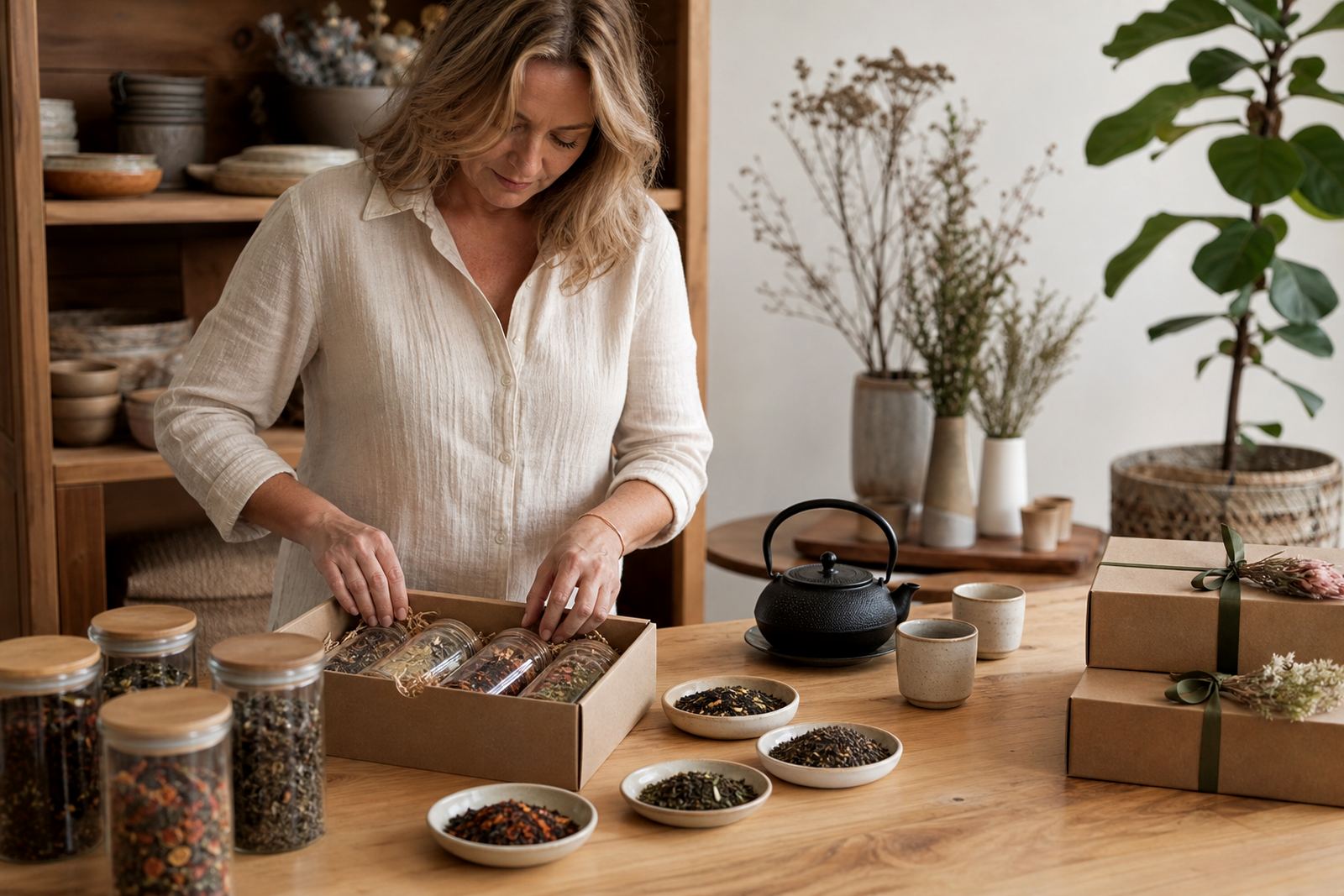
If you want the table to feel considered, label each pot or tin simply. A card with the tea name and a short note like bold, floral or naturally caffeine free is enough. For a summer gathering in Somerset West or Paarl, a cooler brew served in glass jugs can be a pleasant option, while a winter tea in Johannesburg or Pretoria usually suits a warmer stronger cup. Pay attention to water quality and brewing time, because tea that steeps too long can become harsh.
- Use one teaspoon of loose-leaf tea per cup, plus one extra for the pot.
- Freshly boiled water works best for black tea and rooibos.
- Herbal infusions often need slightly cooler water so the flavour stays balanced.
Build a menu that can be eaten with one hand
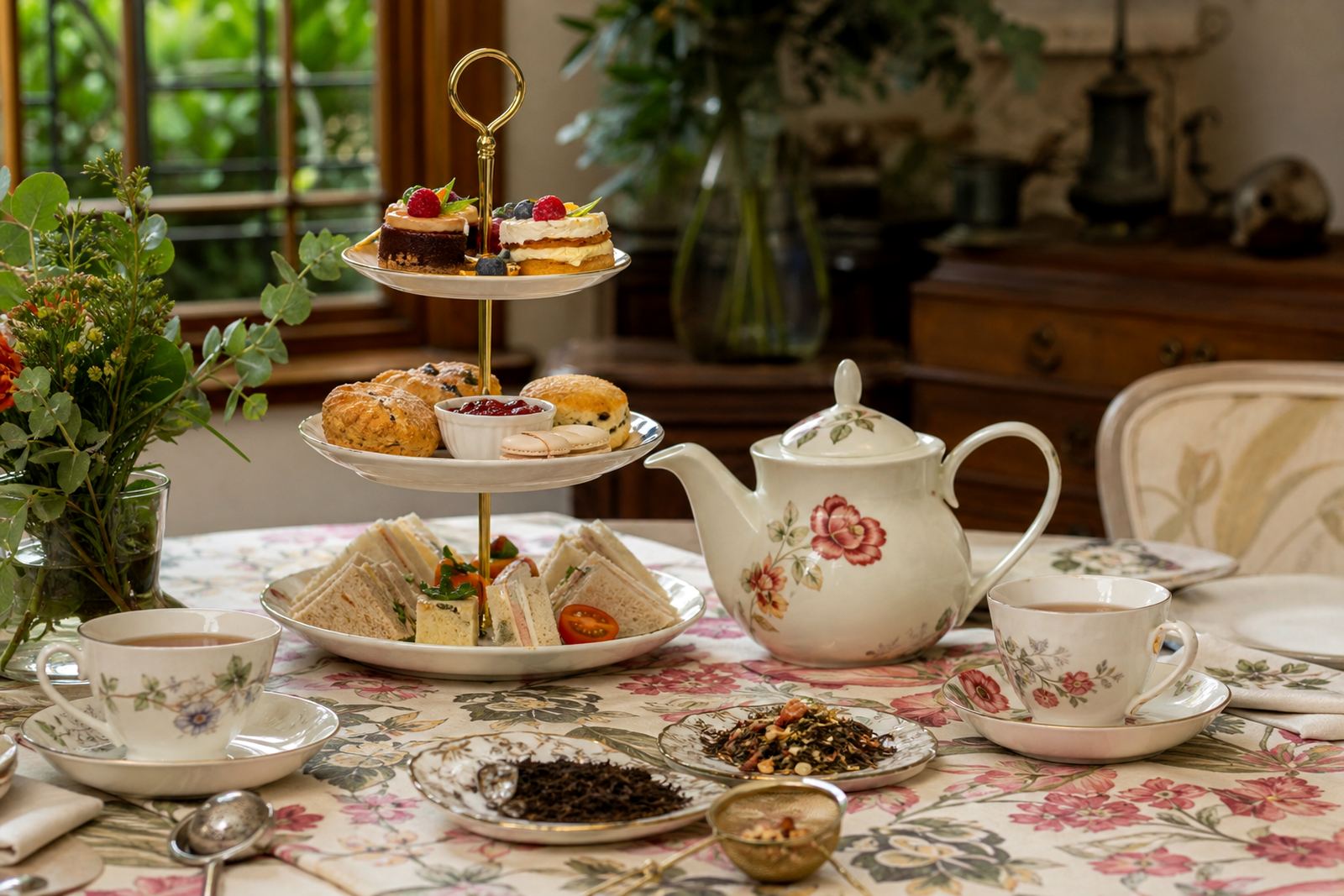
Afternoon tea food should be neat, easy to lift and kind to your table linen. Small sandwiches, scones, shortbread, fruit and one richer sweet item are usually enough. Finger food matters because guests are holding a cup in one hand and a plate in the other, so anything crumbly or oversized becomes awkward very quickly. If your home has a smaller dining area, keep the portions modest and repeat the same items rather than adding too many different bakes.
South African hosts often enjoy adding local touches such as apricot jam, naartjie curd, cinnamon rusks or a slice of milk tart served in small squares. That keeps the spread familiar and practical, while still feeling thoughtful. If you are catering for children, reduce the spice and avoid very hard toppings. For older guests, softer fillings and smaller cuts are easier to manage.
- Sandwiches should be cut into fingers or quarters.
- Scones are best served plain with jam and cream on the side.
- Use one richer sweet item only, so the table does not become too heavy.
Set the table for comfort and easy movement
You do not need a formal room to host afternoon tea well. A kitchen table, patio table or shaded stoep can work just as well if there is enough room to pass plates and top up cups. In coastal areas where humidity is high, keep napkins dry and do not leave biscuits uncovered for too long. In winter or during load-shedding, have candles or a charged lamp ready so people can see what they are serving themselves without fuss.
Arrange the table so the tea pot, milk, sugar and spoons are all within reach. A small side table helps if you are serving from the kitchen, because it keeps the main table less crowded. If you are in a body corporate or apartment setting, remember that noise and parking can matter for neighbours, especially on a Sunday afternoon. A calm setting is usually more useful than a grand one.
- Use a tray for cups and a separate tray for teapots if you are serving more than one tea.
- Place a small waste bowl for used teabags, lemon slices and napkins.
- Keep a clean cloth nearby for quick spills and sticky fingers.
Serve with a simple rhythm so you can stay present
The best hosts spend less time running back and forth. Put the tea on first, then bring out the savoury plate, followed by sweets once people have settled. If you are serving a larger group in Stellenbosch or Somerset West, you can stage the food in two rounds so the table does not feel crowded. Guests do not need everything at once. In fact, a slower pace often makes the gathering feel more generous.
Keep refills straightforward. Top up tea when cups are about half empty, and offer water alongside the tea so no one feels pushed to keep drinking caffeine. If you have children or grandparents at the table, ask once whether anyone wants milk, honey or lemon and then leave the extras close by. This saves a lot of small interruptions and keeps the conversation going nicely, even when the afternoon runs a bit longer than planned.
Add one local detail that makes the gathering yours
Small details make a home tea feel personal without becoming fussy. A vase of fynbos, a bowl of naartjies in summer or a linen runner from a local market can tie the table to the season and the place. If you are hosting in the Western Cape, that local sense of ease matters more than matching everything perfectly. People remember the warmth of the gathering, the tea that was poured at the right moment and the fact that the food was easy to eat.
A practical example: a Stellenbosch host might serve rooibos with scones, one black tea for the tea drinkers, and a gentle herbal infusion for guests who prefer no caffeine. Add savoury sandwiches, a few fruit skewers and a small tray of rusks for anyone who wants a second bite with tea later. That is enough for a relaxed afternoon, and it works whether you have six guests or ten. The trick is not to overdo it.
After the guests leave, rinse the teapot, dry the cups and put away anything perishable straight away. That final bit of order makes the next gathering easier and keeps the ritual pleasant rather than tiring.