
Start with a short tea list that actually sells
Small cafés often lose time trying to carry too many tea options. A tighter list works better because it is easier to train staff, easier to stock and less likely to leave you with half-used tins at the back of the shelf. For most cafés, 6 to 8 core teas are enough to cover daily demand without overcomplicating service.
Think in terms of drinkability first. A black tea for breakfast regulars, a green tea for health conscious customers, a rooibos for local appeal and a few herbal infusions for evening trade will cover most orders. In Stellenbosch and Somerset West, for example, many cafés see steady rooibos demand from both locals and visitors. It helps when the tea menu is clear, brief and priced sensibly.
- One black tea for standard cuppas
- One decaf option for late afternoon orders
- One pure rooibos
- One flavoured rooibos blend
- One green tea
- Two herbal infusions for caffeine-free choices
Choose teas that hold up in busy service
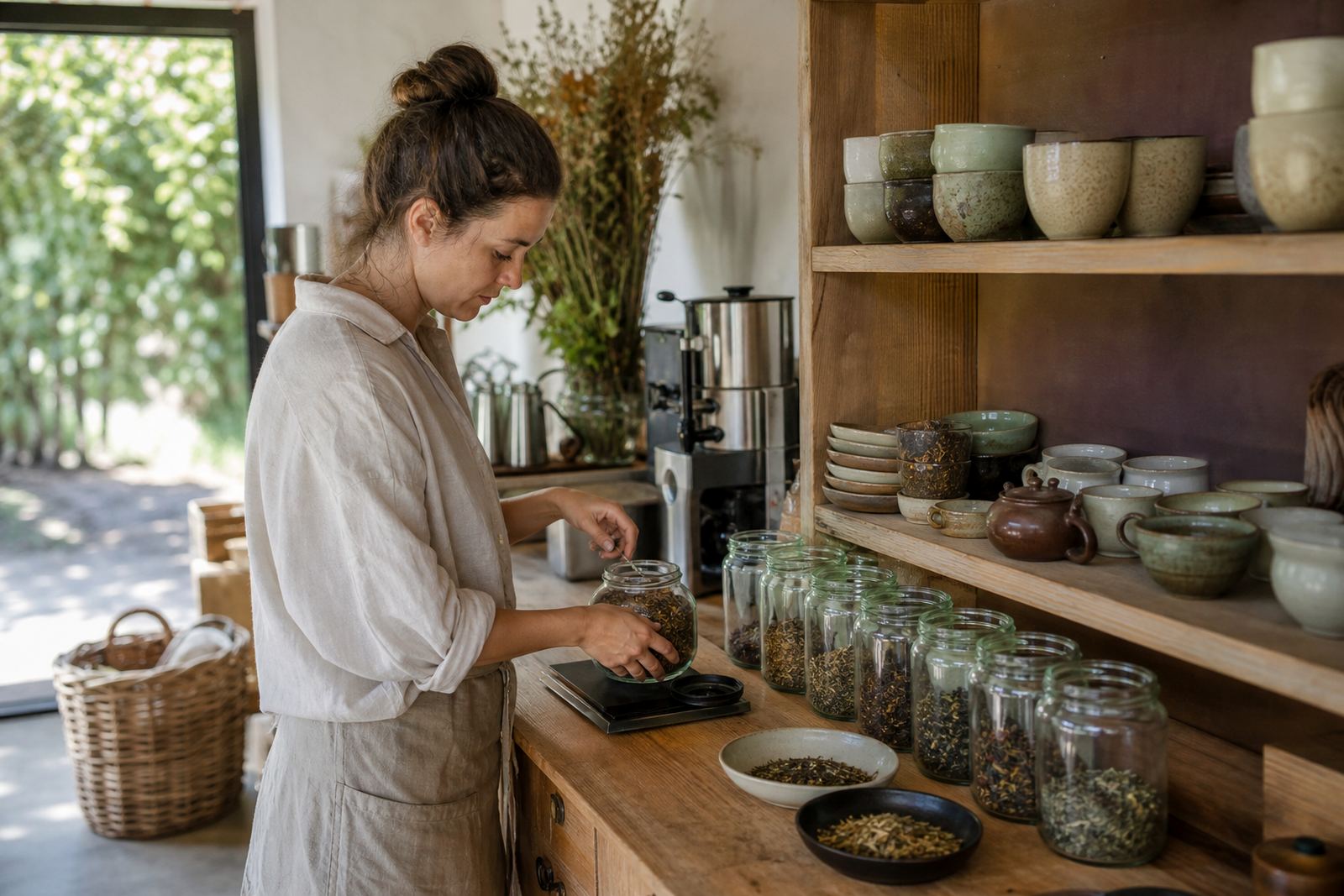
The practical question is not just what tastes nice in a tasting cup. It is what still tastes good when the café is full, the barista is juggling orders and tea has to be made in a clean, repeatable way. Loose-leaf teas and well-balanced herbal infusions can work very well in a small café if the portioning is standardised. Staff should not be guessing how much to scoop each time.
Rooibos is especially useful because it suits a wide range of customers and does not turn bitter as quickly as some other teas. That makes it forgiving during a lunch rush. Herbal infusions with fruit or citrus notes also do well because they offer a clear flavour profile without needing milk or sugar. On the other hand, delicate teas need a little more care with water temperature and steep time, so keep those to a manageable number.
- Use fixed tea measures for consistency
- Keep a timer at the counter for steeping
- Use fresh boiling water for black tea and rooibos
- Use slightly cooler water for green tea
- Store tea away from heat, light and moisture
Build a simple method staff can repeat on a busy shift
Good tea service starts with a clear routine. If every staff member makes tea differently, the customer experience changes from cup to cup and that creates complaints. A small café needs a basic recipe card for each tea: how much tea to use, how much water to add, how long to steep and what to serve with it. Keep the instructions where staff can see them, not hidden in a file.
It also helps to decide what the café serves tea in. A sturdy mug, a teapot for two, or a glass cup with a strainer can all work, but the choice should suit your flow. If you serve takeaway, make sure the lid fits properly and that the tea does not over-steep on the counter. In places like Cape Town CBD, where customers often want a quick drink between meetings, speed matters just as much as flavour.
Here is a simple service structure that works for many smaller cafés:
- Greet the guest and confirm the tea choice
- Prepare the cup or pot with the correct measure
- Pour water at the right temperature
- Set a timer and serve promptly
- Offer milk, lemon or honey only where suitable
Use tea to add value without adding pressure
Tea can improve your menu margin without much extra strain if it is priced and presented well. You do not need a long list of add-ons or a complicated tea ritual. A neat tea tray, a short description on the menu and a choice of one or two sweeteners is often enough. Customers are more likely to order tea when they understand what makes it different.
For example, a rooibos and vanilla blend can be described in one line as smooth and naturally caffeine-free, while a spiced herbal infusion can be positioned as a warm after-meal option. That kind of language helps the guest choose quickly. It also makes tea feel considered rather than an afterthought. In a busy café, that matters because tea should feel easy to order and easy to serve, not like a special project.
A useful menu approach is to separate teas into plain, rooibos and herbal groups. This helps guests scan the list fast, and it keeps your staff from having to explain every single item in detail. The fewer clarifications needed, the smoother service runs, even when load-shedding disrupts the day and the team is working under pressure.
Manage stock like a small business, not a spare room full of tins
Tea stock is simple if you keep records. The mistake many smaller cafés make is buying too much in one go and then losing track of what sells. Instead, watch your weekly usage and restock according to actual demand. A café in Paarl may sell more rooibos in winter, while a spot near the university in Stellenbosch may see more iced herbal tea in warmer months. Patterns matter.
Keep an eye on expiry dates, packaging condition and storage temperatures. Coastal humidity in Cape Town can affect loose-leaf tea if the containers are not sealed properly. In hotter months, a cupboard near the dishwasher is not a good place to keep stock. Dry, cool storage gives you better flavour and less waste. It also saves money, which is important when margins are tight.
- Count stock at least once a week
- Record what sells by tea type
- Rotate older stock to the front
- Store tea in airtight containers
- Order smaller quantities more often if storage is limited
A practical Cape Winelands example for small cafés
A small café in Stellenbosch Central might only have space for a short menu, a single counter station and one staff member making drinks during the morning rush. In that setting, a simple tea list is the safest option. A black tea, a pure rooibos, a honeybush-style herbal infusion and one seasonal blend can cover most of the orders. If the café also serves tourists, having a clear rooibos option gives the menu a local point of difference without adding complexity.
This is where consistency pays off. When the same tea is brewed the same way every time, customers learn what to expect. They come back because the cup is steady, not because the range is huge. For a small café, that is the point. Tea should support service, not slow it down. A well-run tea offering can also fit neatly alongside cakes, light lunches and takeaway orders, giving the café another reason for repeat visits.
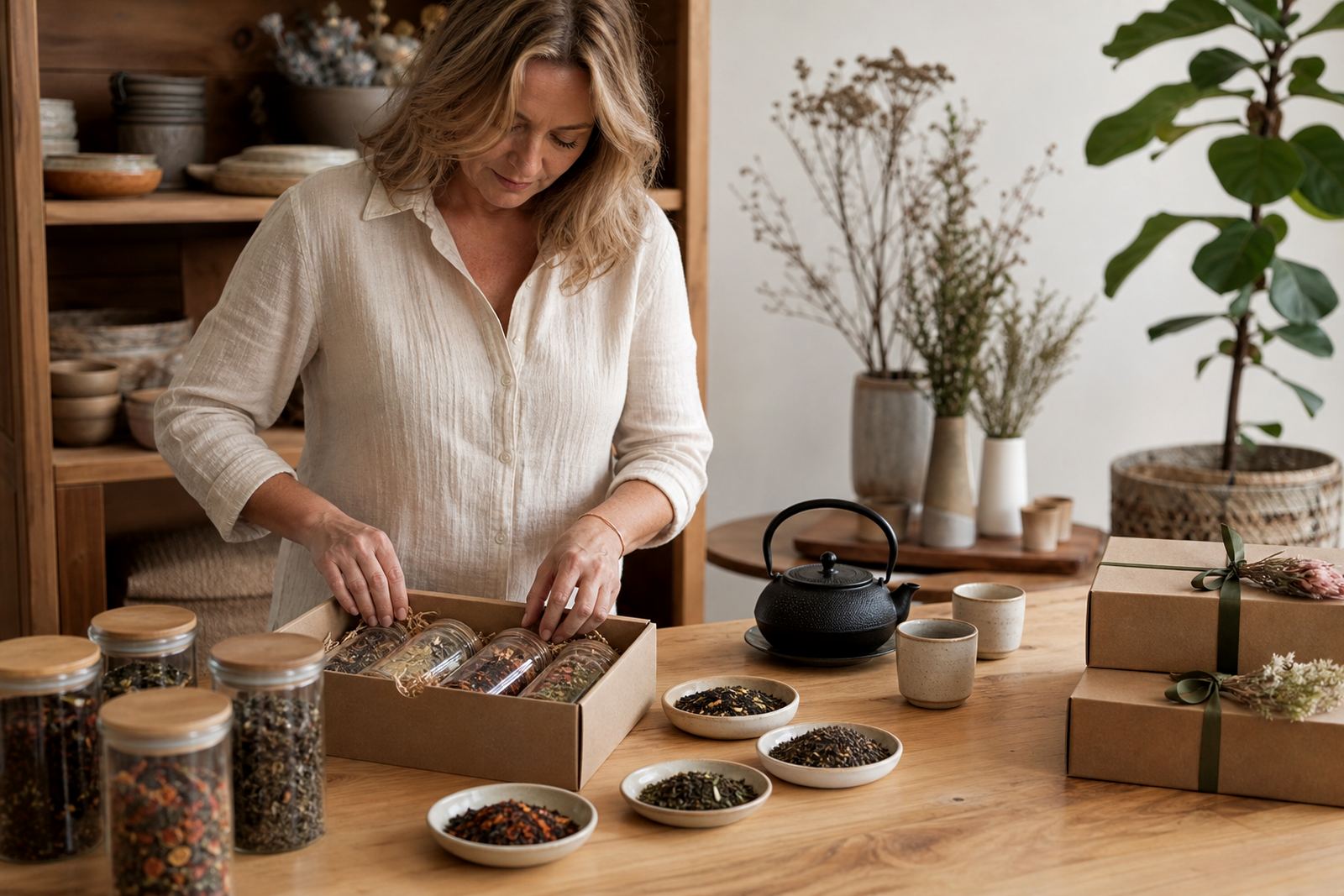
At Cup Of Tea Co, we work with cafés that want tea to feel simple and dependable. That usually means a short range, good blending advice and practical packaging that holds up in daily service. It is not about making tea complicated. It is about giving customers a proper cup without placing extra strain on the team.