Why tea suits daytime hosting so well
Tea fits naturally into morning and afternoon events. It is warm in winter, refreshing with citrus or herbal notes in summer, and simple to pair with cake tables, light lunches and finger snacks. For hosts planning baby showers, bridal showers, church meetings, community drives or memorial teas, it offers a calmer service style than a full bar setup.
In the Western Cape, many daytime gatherings run in venues that are partly indoors and partly outside. That is where tea does well. It does not need complicated storage, and with the right urns or insulated dispensers it stays ready for service while guests arrive over a 2 to 3 hour window. For larger guest lists, tea also helps control cost because one batch can serve many people without much waste.
At Cup Of Tea Co in Stellenbosch Central, we see a lot of event hosts looking for something that feels thoughtful but still practical. Rooibos is a strong choice for this because it suits South African taste, works for most age groups and can be served plain or blended with fruit, spice or herbs. It is familiar, but it still feels special when presented well.
Choosing blends that suit your guest list
The best tea menu depends on the time of day, the season and who is coming. A mixed guest list needs options that cover caffeine-free, classic black tea and something lighter for people who prefer gentle flavours. If you are hosting early in the day, keep the menu simple. Three to five blends is usually enough for a crowd of 30 to 150 guests.
- Rooibos: A dependable base for most South African events, especially where some guests prefer caffeine-free drinks.
- Black tea: Good for breakfast functions, office gatherings and long conversations over pastries.
- Herbal infusions: Useful for guests who want something light after a meal or alongside sweet treats.
- Flavoured rooibos: Handy for showers and gifting tables because it feels more festive.
- Seasonal blends: Useful for summer citrus notes or winter spice, depending on the date and venue.
If you are unsure where to start, build the menu around one signature blend, one classic option and one herbal choice. That gives variety without turning tea service into a complicated tasting table. It also makes catering easier when guests arrive in waves.
How much tea to plan for numbers and serving time
Event tea planning starts with the guest count and the length of the function. A 20 person breakfast needs a very different setup from a 100 guest charity afternoon. As a general guide, plan for at least two cups per guest at a seated event and slightly more if tea is the main refreshment. If the gathering runs for longer than 2 hours, allow for top-ups.
For bulk service, it helps to think in litres and cup size. A standard 250 ml cup means one 10 litre urn can serve around 40 cups before top-ups, depending on how full people pour. If you are using smaller teacups, you can stretch a batch further but you still need to watch the pace of service. At larger venues around Stellenbosch, Paarl or Somerset West, we often suggest a backup urn or insulated dispenser so there is no delay when guests queue.
Timing matters too. Tea should be brewed close to serving time, especially if you want it to taste clean and fresh. Leaving tea standing too long can make it bitter or dull. For outdoor events in warm weather, keep herbal blends and rooibos in insulated vessels and avoid placing them in direct sun. Even in the Cape, afternoon heat can change the flavour faster than many hosts expect.
Set-up details that keep service moving
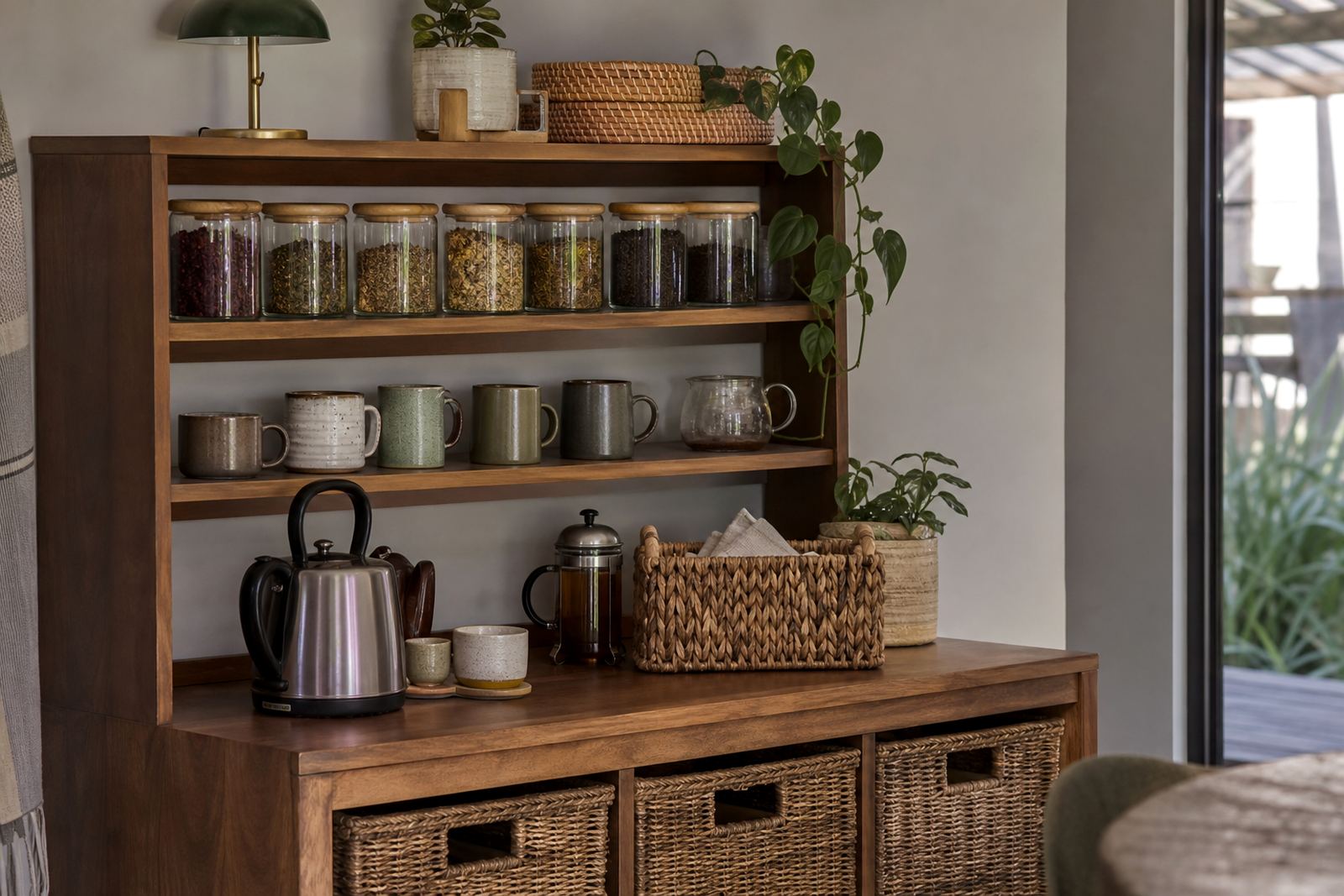
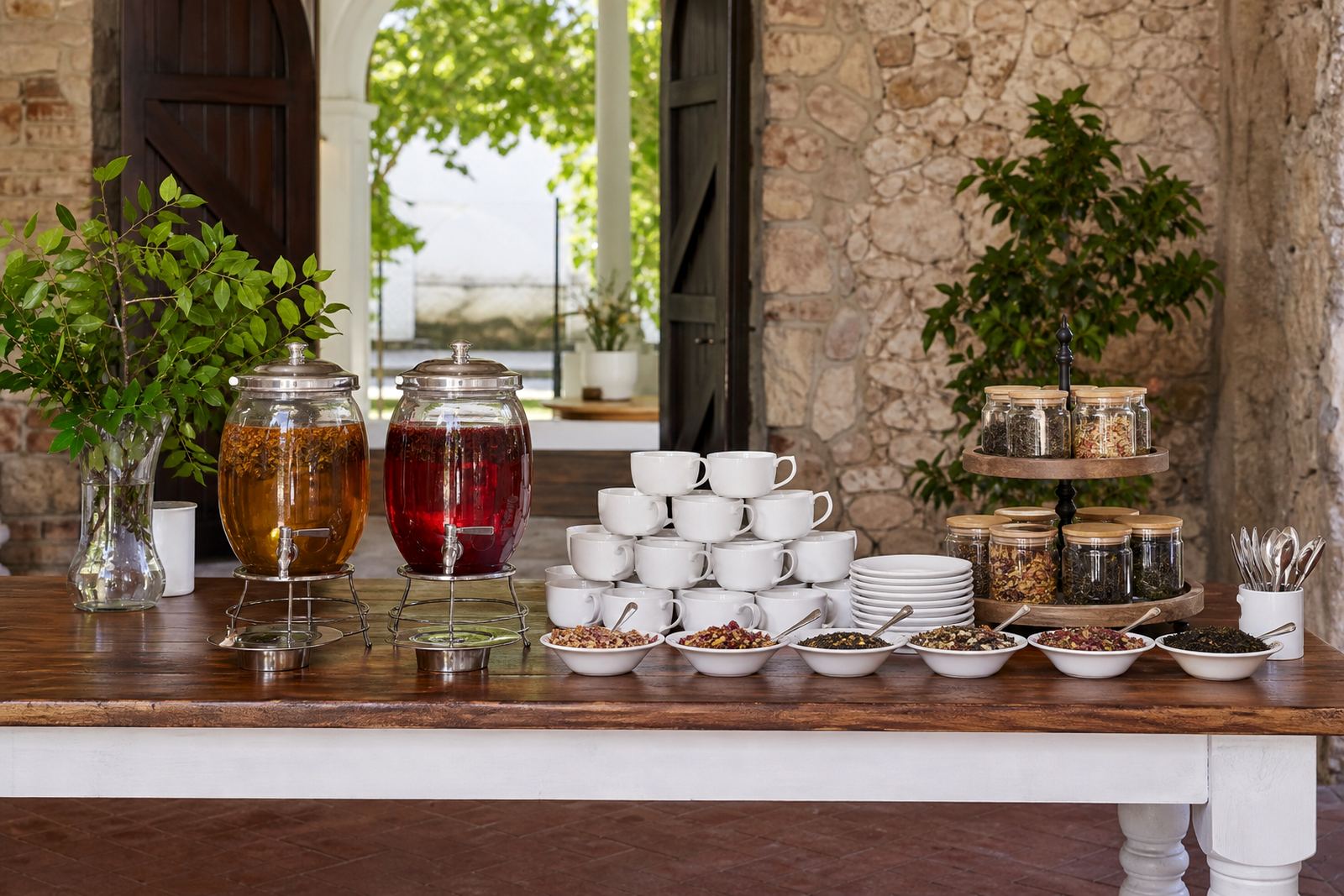
A smooth tea station is mostly about layout. Guests should be able to see the tea options, sugar, milk and lemon without crowding one another. If the service point is too narrow, queues form and cups spill. A better set-up uses one clear flow: cups first, tea second, then sweeteners and extras.
For community gatherings and showers, it also helps to separate hot and cold items. Keep milk chilled, keep spares in a cooler box and place used teaspoons or stirrers in a separate holder. If you are working in a hall with load-shedding risk, check whether the urns and hot water points have a backup plan. A gas urn or pre-heated insulated container can save the day when power drops during peak service.
- Use clearly labelled tea canisters or jars so guests can choose quickly.
- Keep one staff member or helper on refill duty when serving more than 40 guests.
- Place napkins and biscuits at a second point if the main table is getting crowded.
- For outdoor venues, protect the table from wind, dust and direct afternoon sun.
In town halls, church halls and farm venues around the Western Cape, a tidy tea station also makes clean-up simpler. It is easier to clear one controlled area than to chase cups across several tables.
Tea ideas for showers, church groups and community days
Different events call for different tea moods. A baby shower may suit a lighter floral or fruit note, while a church tea or community fundraiser may need something comforting and familiar. The key is to match the tea to the tone of the gathering without overcomplicating the menu.
For shower hosts, a small tea table with a signature blend can feel more personal than a long drinks list. For churches and community groups, practicality matters most: easy serving, simple refills and flavours that most guests will enjoy. If children are present, a caffeine-free rooibos or herbal infusion is often the safest pick. If older guests are attending, black tea with milk should always be available.
- Baby showers: Light rooibos blends, fruit infusions and neat sachet packs for table favours.
- Bridal showers: Floral or citrus rooibos, plus a classic tea for guests who prefer tradition.
- Church teas: Simple black tea, rooibos and one herbal option with biscuits or scones.
- Community gatherings: Practical bulk service with refillable urns and clear labelling.
For local hosts in Stellenbosch, we often see tea paired with home baking, rusks and small sandwiches at venues that need fast set-up and fast clean-up. That style suits the area well because it keeps things relaxed and still feels considered.
A Stellenbosch example that shows what works
A recent daytime event in Stellenbosch Central for about 60 guests needed tea service for a late-morning gathering followed by a short talk. The venue had a compact serving area and limited power points, so the host kept the menu simple: one rooibos blend, one black tea and one herbal infusion. The tea was prepared in advance, kept in insulated dispensers and topped up in stages so guests never had to wait long.
The host also grouped cups, sugar and milk in one corner and placed the treats at the opposite end of the table. That small change made the queue move faster. Because the event ran through midday, they also kept one cooler box in the back room with extra milk and chilled water. It sounds basic, but these details are what make a function run smoothly when 60 people arrive at once and everybody wants tea in the same ten minute window.
What worked best was not fancy presentation, but consistency. Guests knew where to go, the tea stayed hot and the table stayed neat. That is the standard to aim for when serving tea at daytime functions in South Africa. Practical choices usually work better than complicated ones, especially when you are juggling speeches, photos and a moving guest list.
Ordering tea for an event and keeping it practical
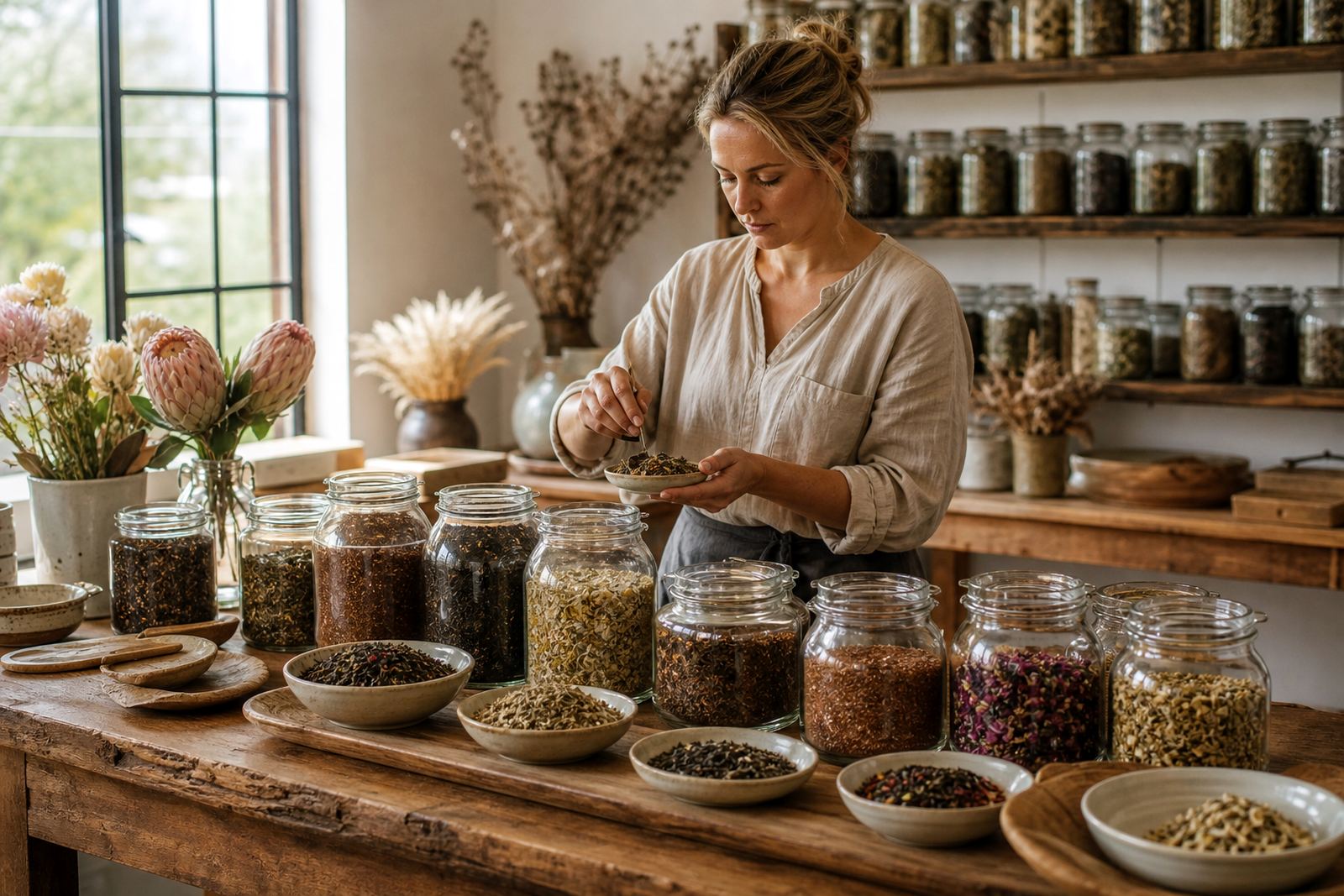
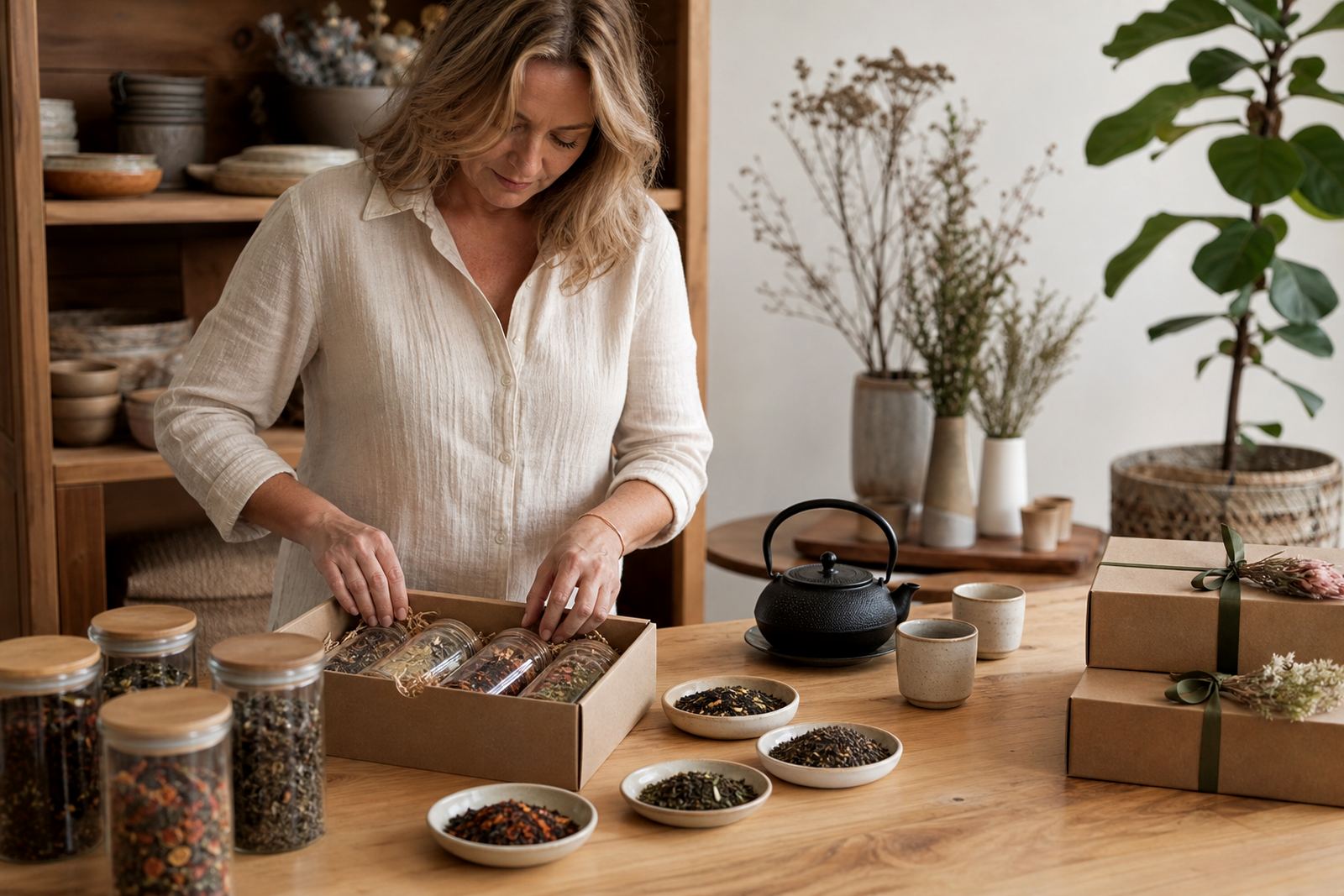
If you are planning an event, order tea with enough lead time to test the blend list and confirm the quantities. For larger functions, it helps to decide early whether you need loose-leaf tea, pre-packed portions, gift packs or bulk supply for service urns. Private label packing can also work well for favours, especially when guests are taking something home after the event.
At Cup Of Tea Co, we supply event hosts, hospitality teams and community organisers from Stellenbosch across South Africa, including Cape Town, Johannesburg, Pretoria, Durban and Bloemfontein. For hosts in Somerset West or Paarl, courier timing can be especially useful when the function venue is booked last minute and the catering needs to be finalised quickly. The best tea plan is one that fits your numbers, your venue and your level of help on the day.
When in doubt, keep the menu focused, the serving point tidy and the refills close by. Tea does not need to be complicated to feel well considered.