
Why Guesthouse Tea Needs Its Own Plan
In a guesthouse, tea is not just a beverage. It is part of the first impression in the room, the early-morning breakfast table, and the small moments when guests want comfort without fuss. A good tea setup should suit short stays, longer weekend breaks, and the mix of local and international visitors who often ask for rooibos first, then something lighter for the afternoon.
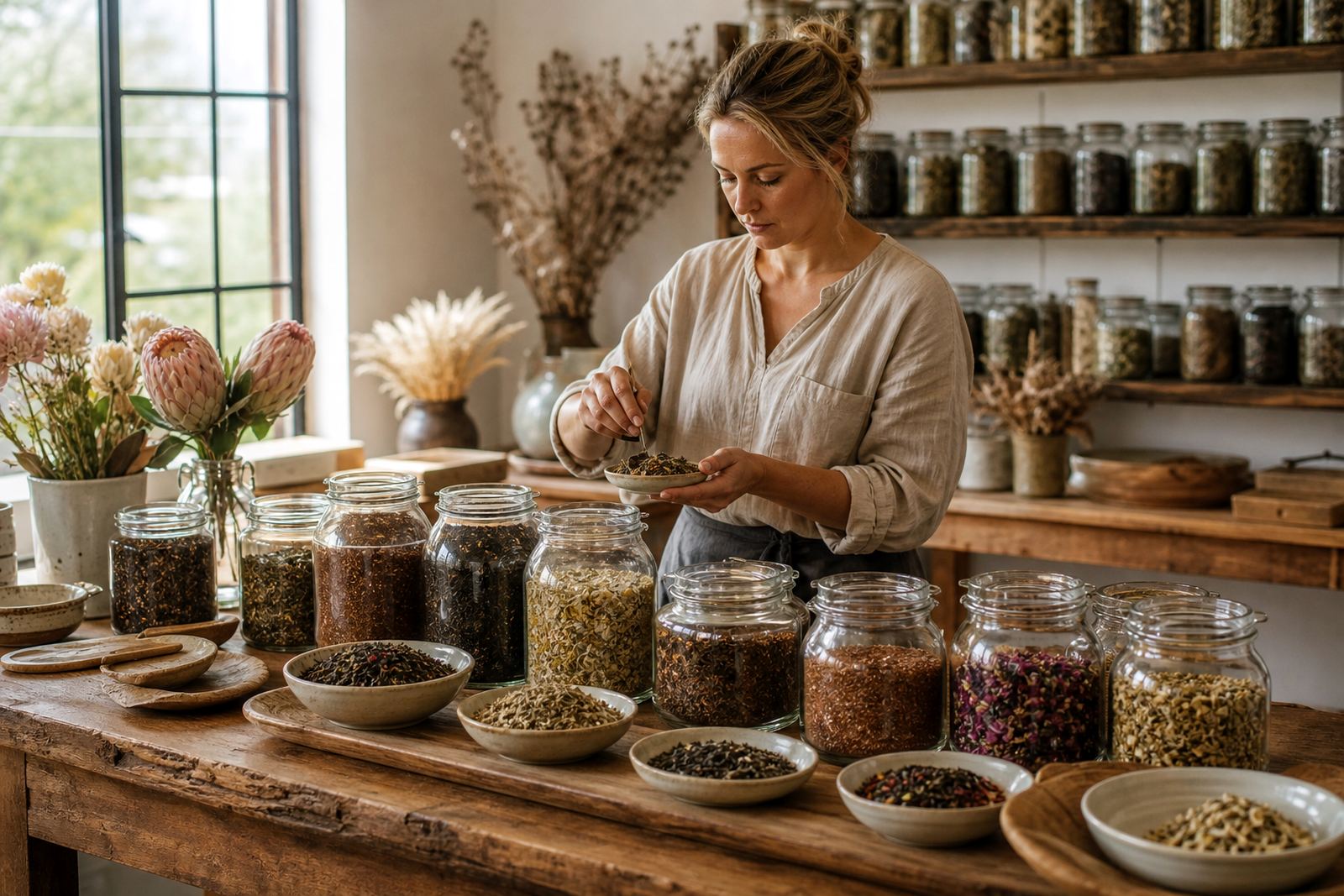
For properties in Stellenbosch, Somerset West and Paarl, the tea offering also has to work in warm summers, cooler winter mornings, and the kind of humidity that can affect aroma if stock is left open too long. Loose-leaf tea and herbal infusions keep better when stored correctly, and a clear system for portioning means staff can refill trays quickly without confusion.
We often see guesthouses overcomplicate this part of the room. You do not need a huge range. You need a carefully chosen set of teas that covers the main preferences, keeps refill costs under control, and looks neat on a tray or breakfast sideboard.
A Balanced Tea Range For Rooms And Breakfast
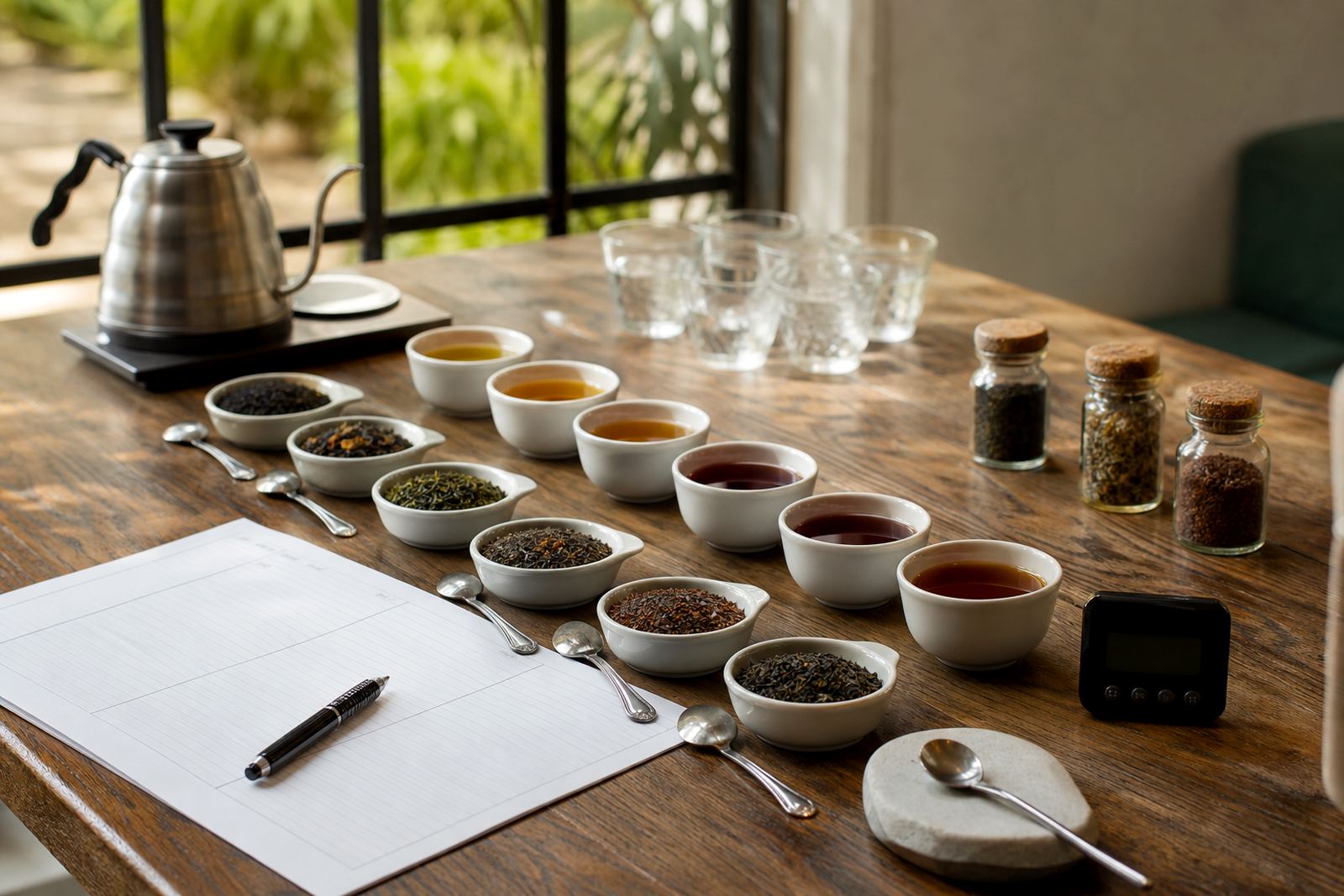
The best guesthouse tea range usually covers five or six core options. That gives guests choice without overcrowding the tray or the breakfast service point. A strong rooibos is essential in the Western Cape, along with one black tea, one green or light herbal option, and one calming caffeine-free blend. If you cater for business travellers in Cape Town or Pretoria, a stronger breakfast tea can be useful too.
- Classic rooibos for day and night service
- Mint or chamomile for evenings and late arrivals
- Breakfast tea for a stronger cup at 6 am
- Green tea for lighter preferences
- Citrus or berry herbal infusions for variety
- A seasonal blend for repeat guests and gifting baskets
It helps to think in use cases. Rooms need dependable favourites in small pack sizes. Breakfast service can use larger portions or bulk canisters, depending on turnover. If the property has self-catering units, guests often appreciate clearly labelled options with brew times printed in a simple way. That small detail saves questions and keeps the station tidy.
Packaging That Works On Trays And Trolleys
Guesthouse packaging must do three things well: stay fresh, look neat, and make housekeeping easier. Sachets or small sealed packs are ideal for in-room trays because they reduce handling and keep the tea dry. For breakfast service, resealable pouches or bulk dispensers can work well if the team decants carefully and keeps each blend clearly marked.
When choosing packaging, consider the practical details that matter in daily use. Rooms near the coast may need better moisture protection. Properties with fast turnover need packaging that stacks easily and does not split in laundry or trolley bags. If a team handles 10 to 30 rooms a day, the time saved by having uniform pack sizes is noticeable. It also helps when stock is checked against a linen room list or store cupboard count.
Some guesthouses like to match tea packaging to the room style, but it should never be fussy. Clean labels, simple brewing notes, and a compact footprint are usually more useful than decorative extras. The goal is to make the tea feel considered, not complicated.
Breakfast Service Tips For House Teams And Hosts
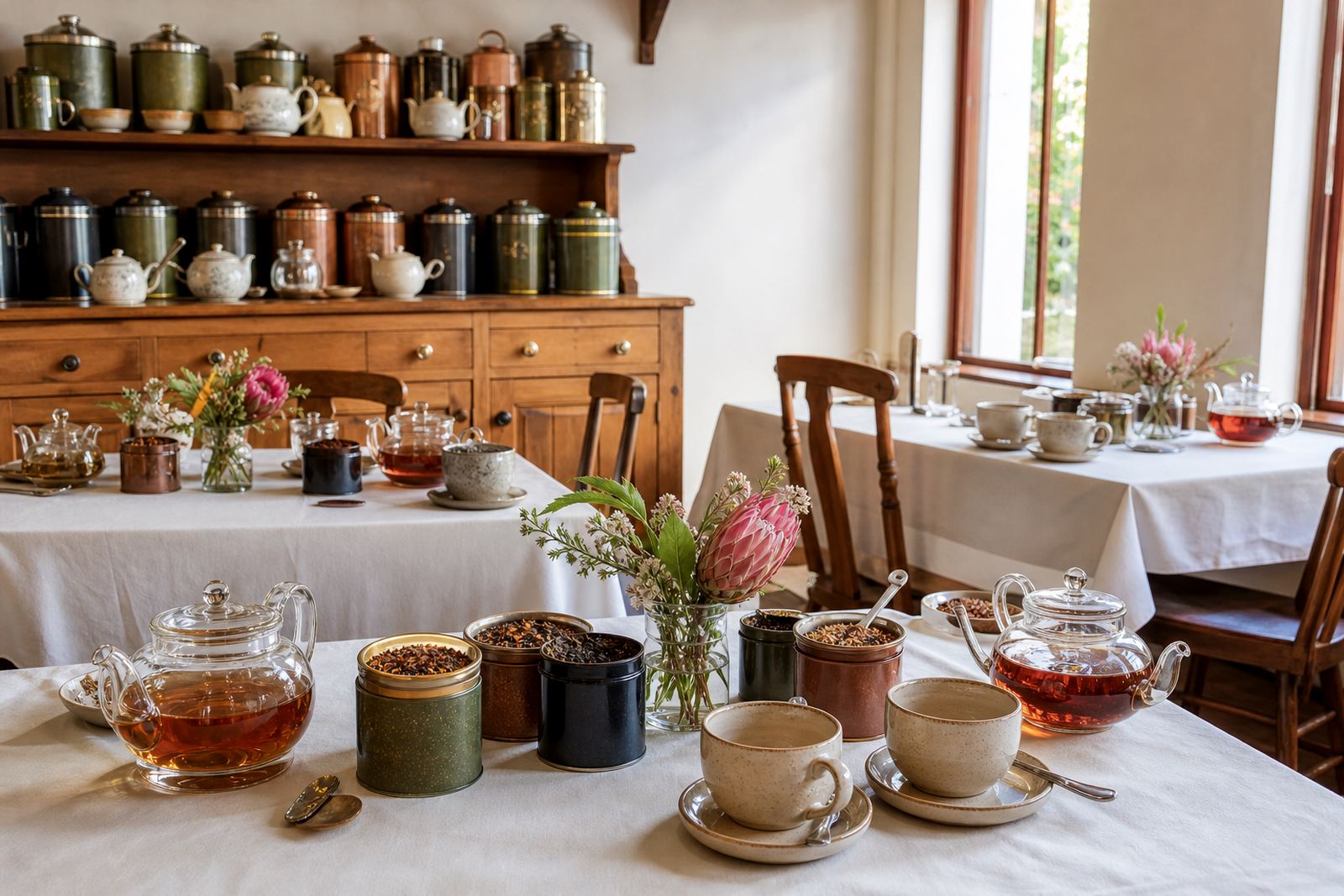
Breakfast tea service needs a repeatable system. Whether your property serves six guests or sixty, the same rule applies: the tea table must stay easy to read and easy to restock. A host should be able to top up tea before the first sitting without hunting for loose lids, missing scoops, or mismatched containers.
Practical tea service habits:
- Label each tea clearly with name and brew time
- Keep one scoop or tong per blend to avoid mixing
- Store backup stock in a dry cupboard away from sunlight
- Check expiry dates during weekly housekeeping rounds
- Use covered jars or sealed pouches in humid months
At breakfast, people often reach for tea before coffee, especially guests who want a gentler start. A good rooibos and a clean breakfast blend can carry most of the demand. If your kitchen runs with a small team, simplicity matters. The fewer the moving parts, the easier it is to keep service consistent even when the power goes off and the morning rush continues.
Custom Blends And Small Branding Details That Guests Notice
Guesthouses do well when they offer one or two tea touches that feel local. A rooibos blend with orange peel, vanilla, or mild spice can create a memorable signature without being overpowering. Herbal infusions with lemon balm, mint, or chamomile also suit a wide range of guests. These blends can be used in rooms, at breakfast, or in welcome packs for honeymoon suites and executive rooms.
Private label packing is worth considering if you want the tea to carry your house name, room theme, or regional identity. That does not mean overdoing the branding. A neat label with the blend name, serving suggestion, and basic contact instructions is often enough. For smaller guesthouses in Stellenbosch, a simple “Western Cape rooibos” style product can feel right at home and still remain practical for daily use.
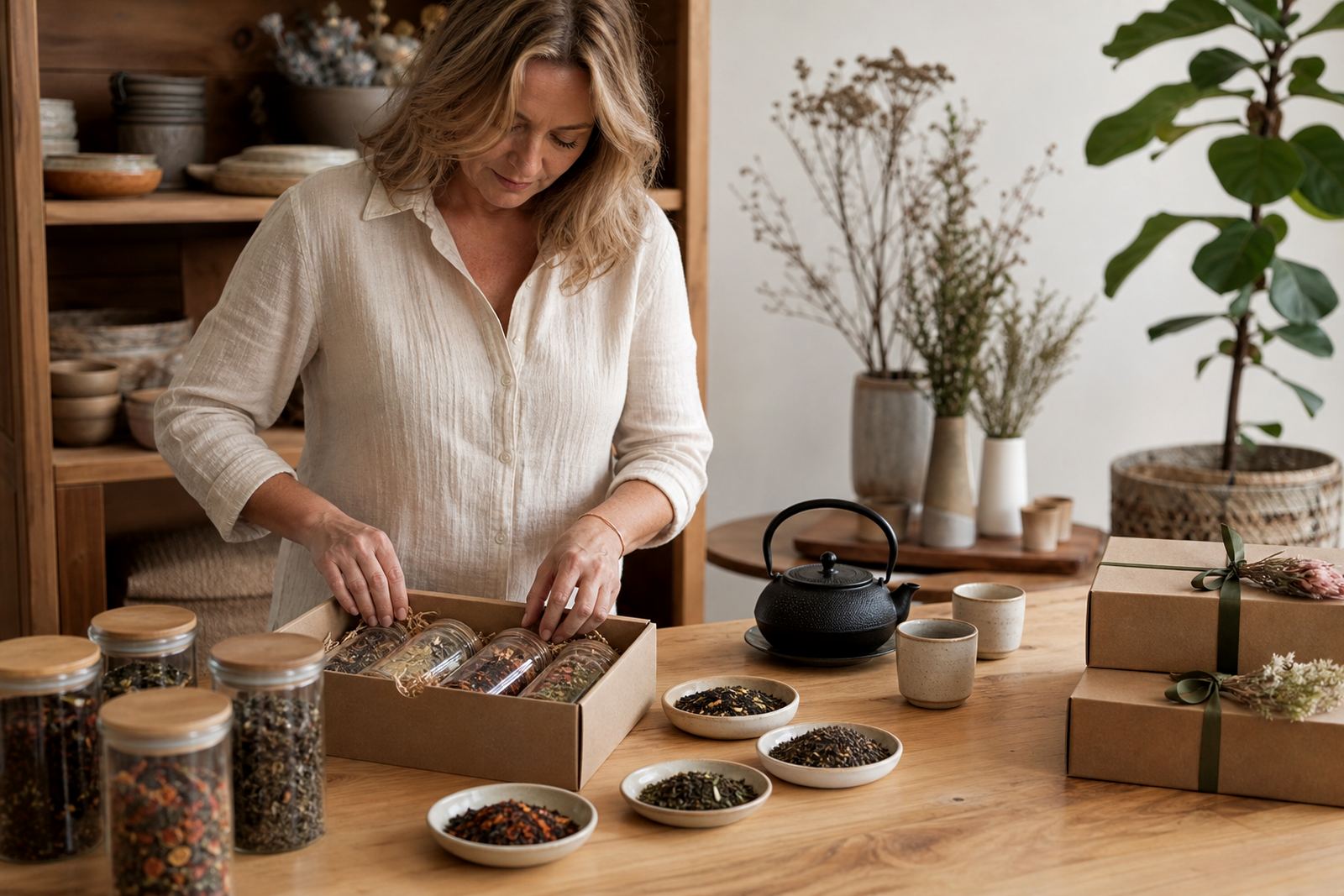
It also helps with gifting. Guests who enjoyed the stay may ask to take a few sachets home, and a small branded pack can extend the memory of the visit. That is useful for repeat bookings too, since tea is one of those details people remember more than they expect.
A Local Example For Stellenbosch And Beyond
Take a guesthouse in central Stellenbosch with eight rooms, a breakfast terrace, and weekend wedding traffic. The host needs room trays that are neat, breakfast tea that can be replenished quickly, and a small gifting option for bridal suites. A sensible mix would be rooibos, breakfast tea, mint, chamomile, and one seasonal infusion. The room tray gets sealed packs, while breakfast service uses larger labelled pouches stored in a cool cupboard.
On a busy Saturday, this setup keeps things moving. Housekeeping can restock rooms in one round, breakfast staff can refill from a clean station, and the host can offer a small tea box to departing guests. It all feels simple, but that is the point. Good guesthouse service often comes down to the little things done well, not a long list of extras.
For properties in Cape Town, Durban, Bloemfontein or Johannesburg, the same approach still works. You just adjust the blend mix to suit guest profile, climate, and service style. The house tea becomes part of the stay, not an afterthought.
How To Choose Tea Stock Without Overbuying
The most useful tea range is the one your guests actually drink. Start with a small core range, then track what disappears first. If rooibos and chamomile run out faster than the rest, build your orders around that pattern. If green tea barely moves, keep it as a smaller line item. This keeps stock fresh and reduces waste, which matters when you are running on a careful hospitality budget.
A simple buying rhythm works best for many guesthouses:
- Review usage every month
- Keep a small buffer for peak weekends and school holidays
- Separate room stock from breakfast stock
- Order seasonal blends in smaller quantities first
- Store only what you can protect from heat, light, and moisture
Once the system is in place, tea becomes easy to manage. Guests get a better cup, staff spend less time sorting stock, and the house has a more polished feel without extra clutter.