
Why brunch tea needs a different mix
Weekend brunch is usually less formal than lunch service, but it still needs planning. Guests arrive at different times, the food is slower to leave the kitchen and the table often carries both sweet and savoury dishes. That means the tea should be easy to pour, familiar enough for older guests and still interesting for younger crowds who want something lighter than a heavy black breakfast tea.
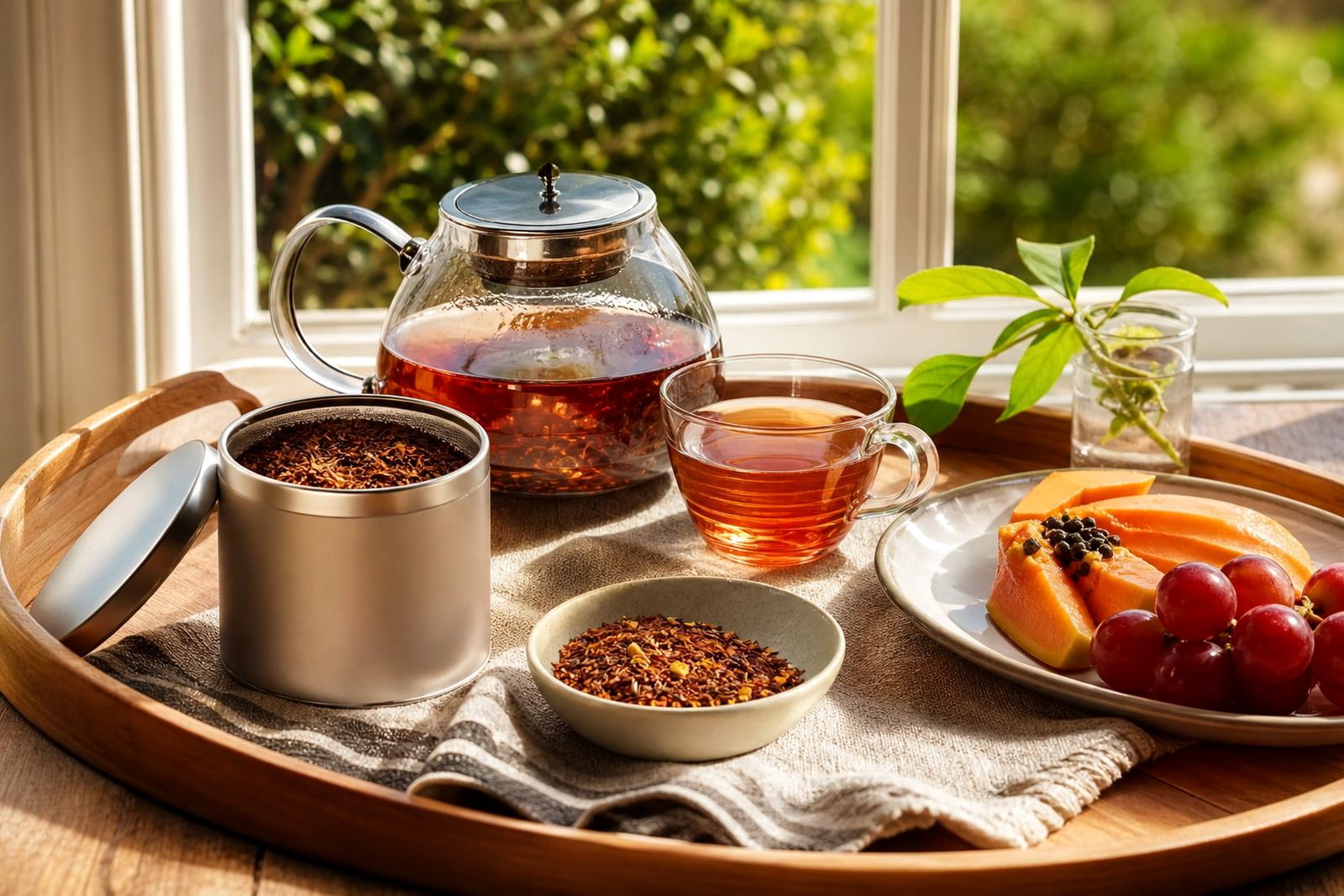
At Cup Of Tea Co in Stellenbosch Central, we often suggest a mix that includes rooibos, a bright black tea and at least one caffeine-free herbal infusion. Rooibos works well with eggs, bacon rolls, melktert and citrus tarts, while a brisk loose-leaf tea suits toasted sandwiches, pastries and smoked fish. For homes and venues in Cape Town, Somerset West, Paarl and the wider Western Cape, this gives you a calm serve even on windy mornings or when load-shedding affects the kitchen flow.
For brunch catering, the aim is not to overwhelm the table. It is to keep cups full and the menu balanced, with flavour that holds up after a second pour.
Tea choices that suit late breakfasts
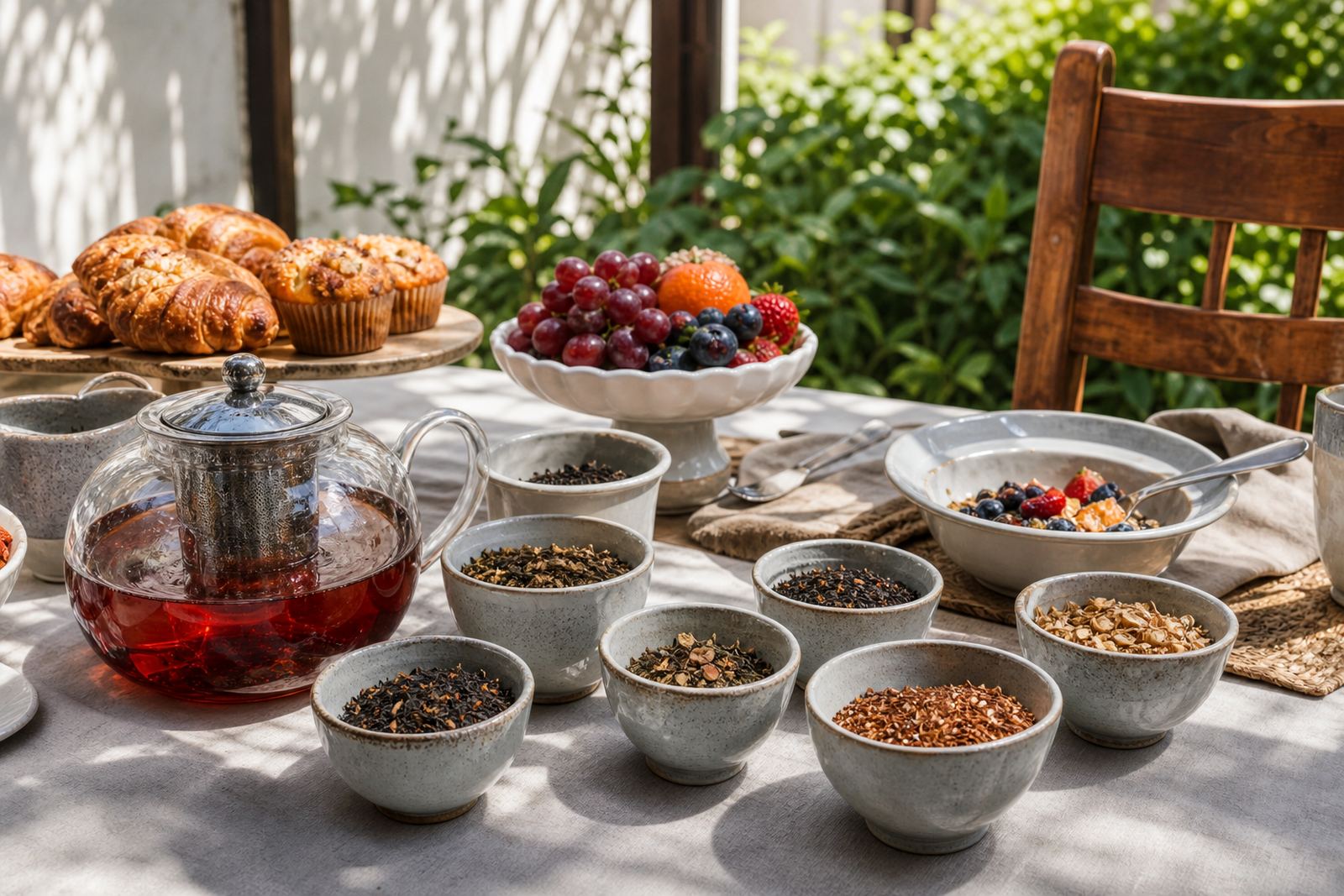
The best brunch line-up usually includes three style groups. First, a tea with a little grip and brightness for guests who like a classic cup. Second, rooibos for a local favourite that works across ages. Third, a caffeine-free option for drivers, children or guests who want a second round without the buzz. This mix covers most tables without overbuying.
- Loose-leaf black tea for a clean, steady cup with toast, bacon and savoury bakes
- Natural rooibos for scones, muffins, citrus desserts and milk-based drinks
- Herbal infusions for lighter plates, fruit, yoghurt bowls and afternoon-style brunches
- Flavoured rooibos blends when you want something a little softer for guests who prefer less tannin
If you are hosting a wedding brunch in Stellenbosch, a corporate breakfast in Johannesburg or a family gathering in Durban, it helps to choose blends that can be made in bulk without losing character. Strong aroma matters, but so does a cup that stays pleasant after a few minutes on the table. That is where proper leaf size and careful blending make a difference.
Typical equipment and serving set-up
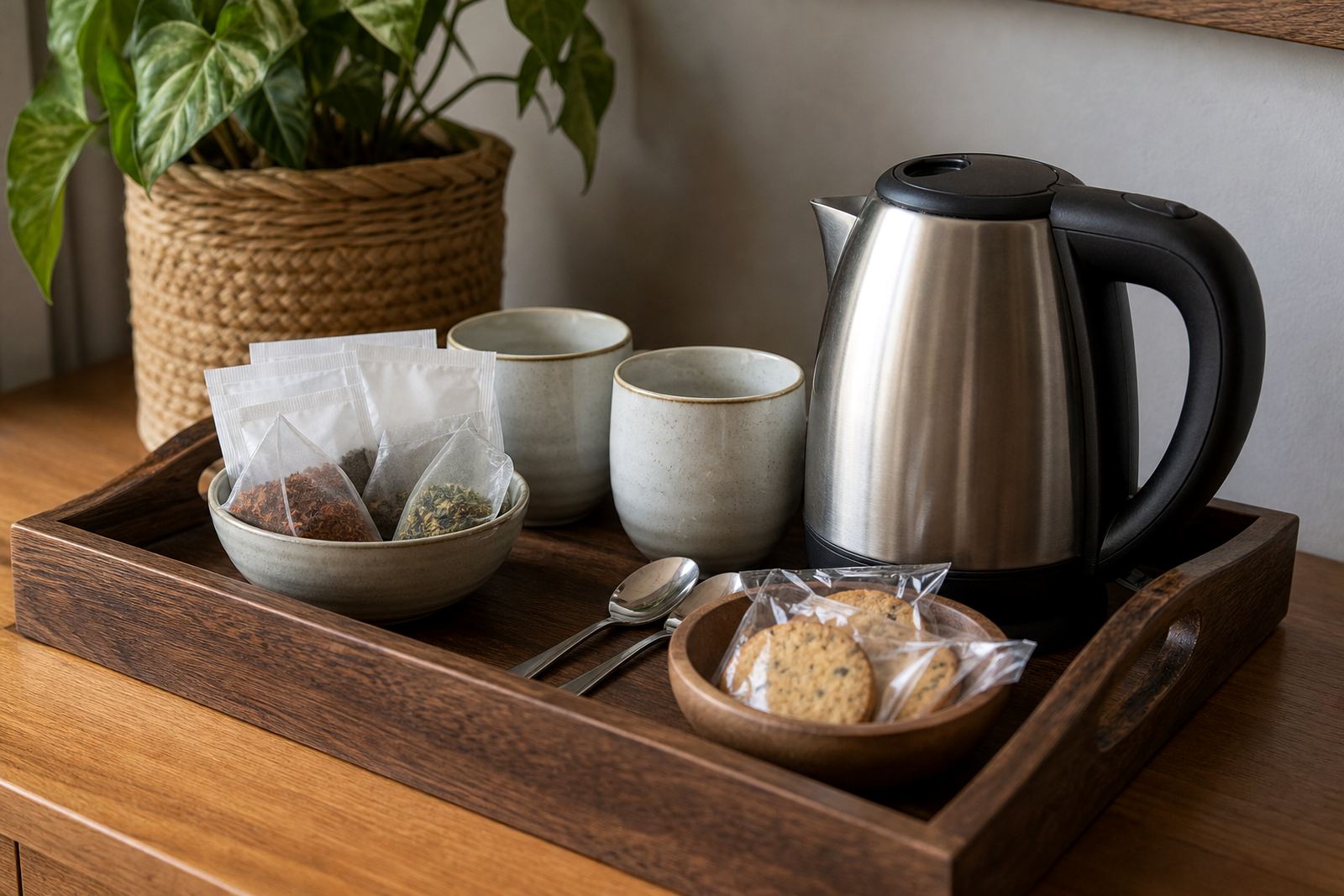
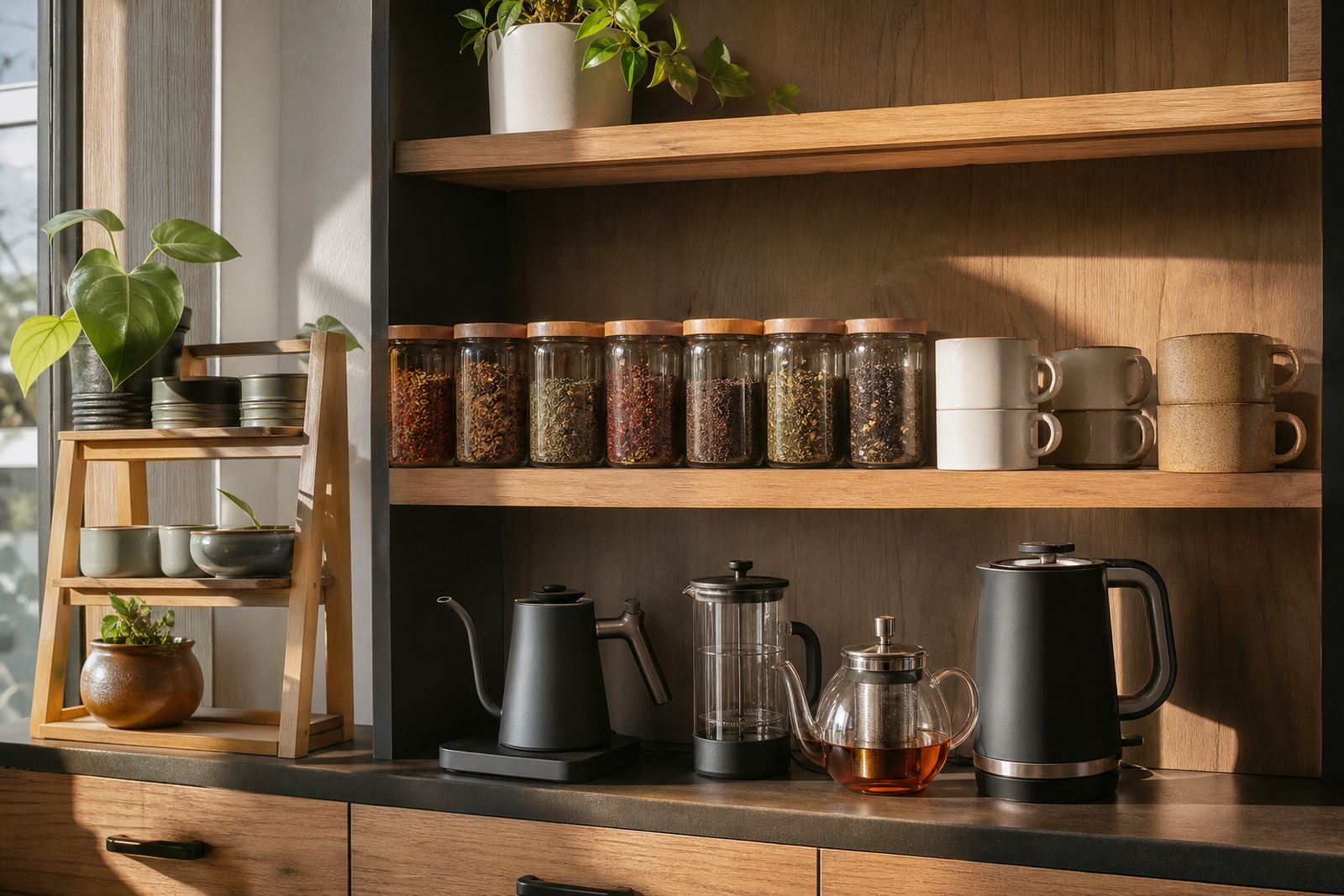
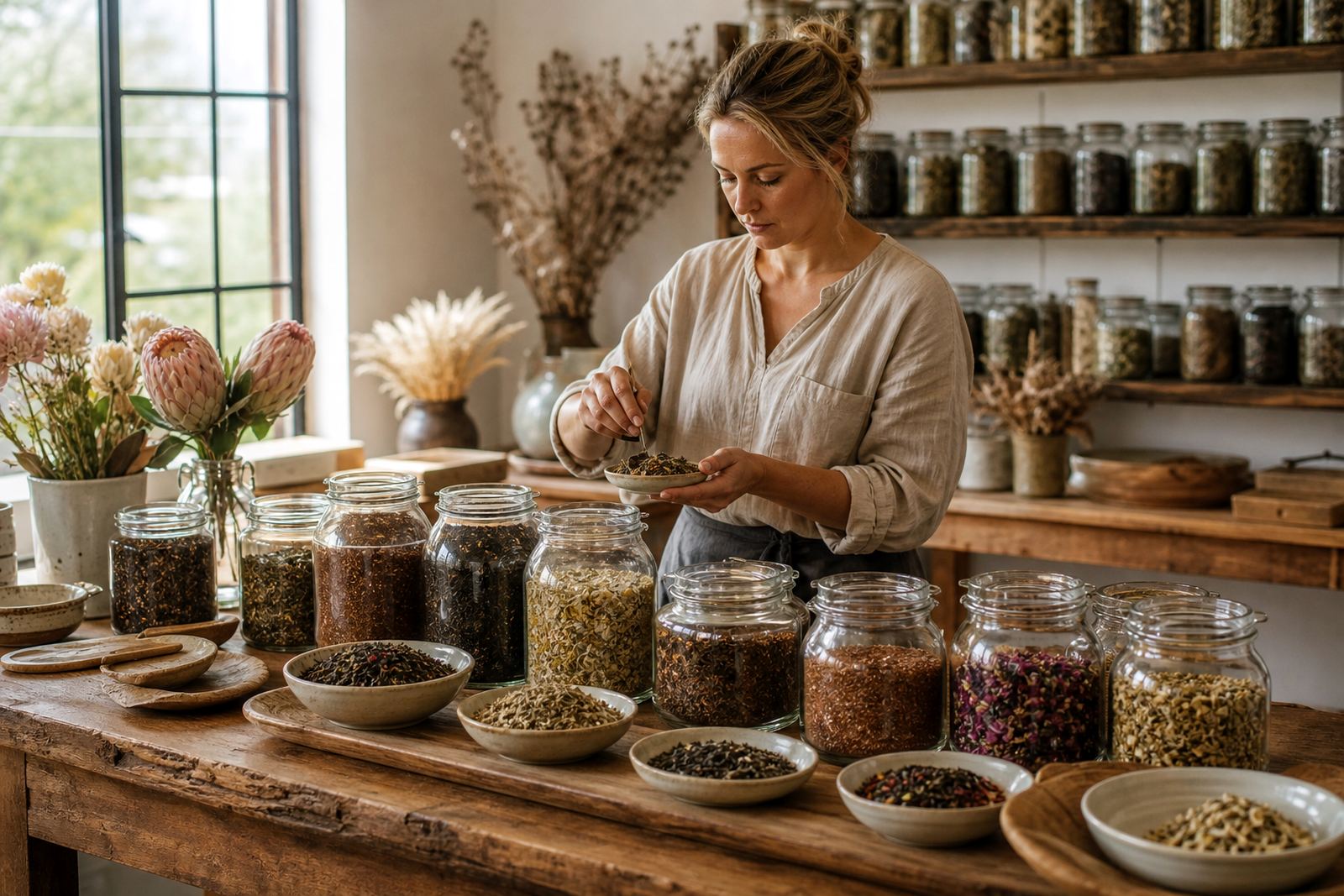
A good brunch tea station does not need fancy gear, but it does need consistency. The most practical set-up is a kettle or urn, several heat-safe teapots, strainers or brew baskets, and enough cups and saucers for two full turns of service. If you are serving in a guesthouse, small restaurant or home garden, use clear labels so visitors can choose quickly without interrupting the flow.
For larger groups, a self-serve table works well if it is planned properly. Keep the tea station close to milk, lemon, sugar and a waste bin, but away from direct sun and from the buffet heat. In coastal areas such as Cape Town or Somerset West, humidity can affect how tea is stored if bags are left open too long. Resealable containers help keep aroma and freshness under control.
- 1 or 2 kettles or urns, depending on guest count
- 2 to 4 teapots for rotation
- Labels for each blend and brew time
- Milk, lemon slices, honey and sugar in small covered dishes
- Serving tray or table runner to keep the station neat
If electricity is uncertain, keep a thermos backup ready and pre-warm jugs before guests arrive. That small step saves a lot of frustration when tea service starts before 9am.
Layout and timing for a smooth brunch table
Brunch tea works best when it is easy to reach and easy to understand. Place the teapot station where guests can see it as they move from food to seating, but not in the busiest traffic line between the kitchen and the table. If you are setting up for a wedding favour table or a catered birthday brunch, allow one person to refill and another to manage cups so that the service does not bottleneck.
Timing matters as much as layout. Brew the first round just before guests start plating. A second pot should be ready before the first one runs low, especially if the menu includes long-eating items such as quiche, sourdough, fruit salad and sweet tarts. For private homes in Pretoria or Bloemfontein, where brunch may stretch into the afternoon, prepare a separate tray for caffeine-free options so guests can switch without asking.
A simple rule helps: keep the strong tea closest to the main service point, the rooibos in the middle and the herbal options slightly apart. It makes choice faster and avoids accidental mix-ups when the table gets busy.
Common mistakes that spoil a good cup
The most common mistake is using only one tea for every guest. That can work for a small tea break, but brunch usually includes mixed tastes and mixed ages. Another error is over-steeping. When tea sits too long, it can turn bitter or heavy, especially if the water was overboiled in the first place. That is not the flavour you want next to orange juice, eggs or pastries.
People also tend to under-plan the quantity. For 10 to 12 guests, allow enough for at least two cups each, plus extra for late arrivals. For 30 guests or more, it is better to order in bulk and keep a spare tin or pouch aside. If the brunch is outdoors, remember shade and wind. A light breeze can cool cups fast, and direct sun can make milk unsafe sooner than expected.
- Using one blend for everyone, which limits choice
- Brewing too early and letting tea sit
- Not marking caffeine-free options clearly
- Storing tea in open bowls near heat or moisture
- Buying too little tea for second servings
These are small things, but they change the whole feel of the table.
Budget ranges for home and catered brunches
Budget depends on whether you are hosting at home, running a venue or packing for a private event. A modest home brunch tea order for 8 to 12 guests can sit around R180 to R450 if you choose a few loose-leaf blends and one rooibos option. For a larger catered brunch or hospitality table, a practical range is often R500 to R1 500, depending on quantity, presentation and whether you need custom packing.
Corporate brunches, wedding favours and event tea bars usually require more planning. Once branded packing, multiple flavour lines or gift boxes are added, the budget can move from about R1 500 to R6 000 or more, depending on guest numbers and the finish required. If you are supplying a hotel, guesthouse or office brunch programme in Cape Town, Johannesburg, Durban or Bloemfontein, a repeat monthly order often brings the cost per cup down.
It helps to think in servings rather than tins. That way you can match the tea volume to the menu, the guest count and the service style, instead of guessing and overbuying.
What to order when you want an easy Sunday feel
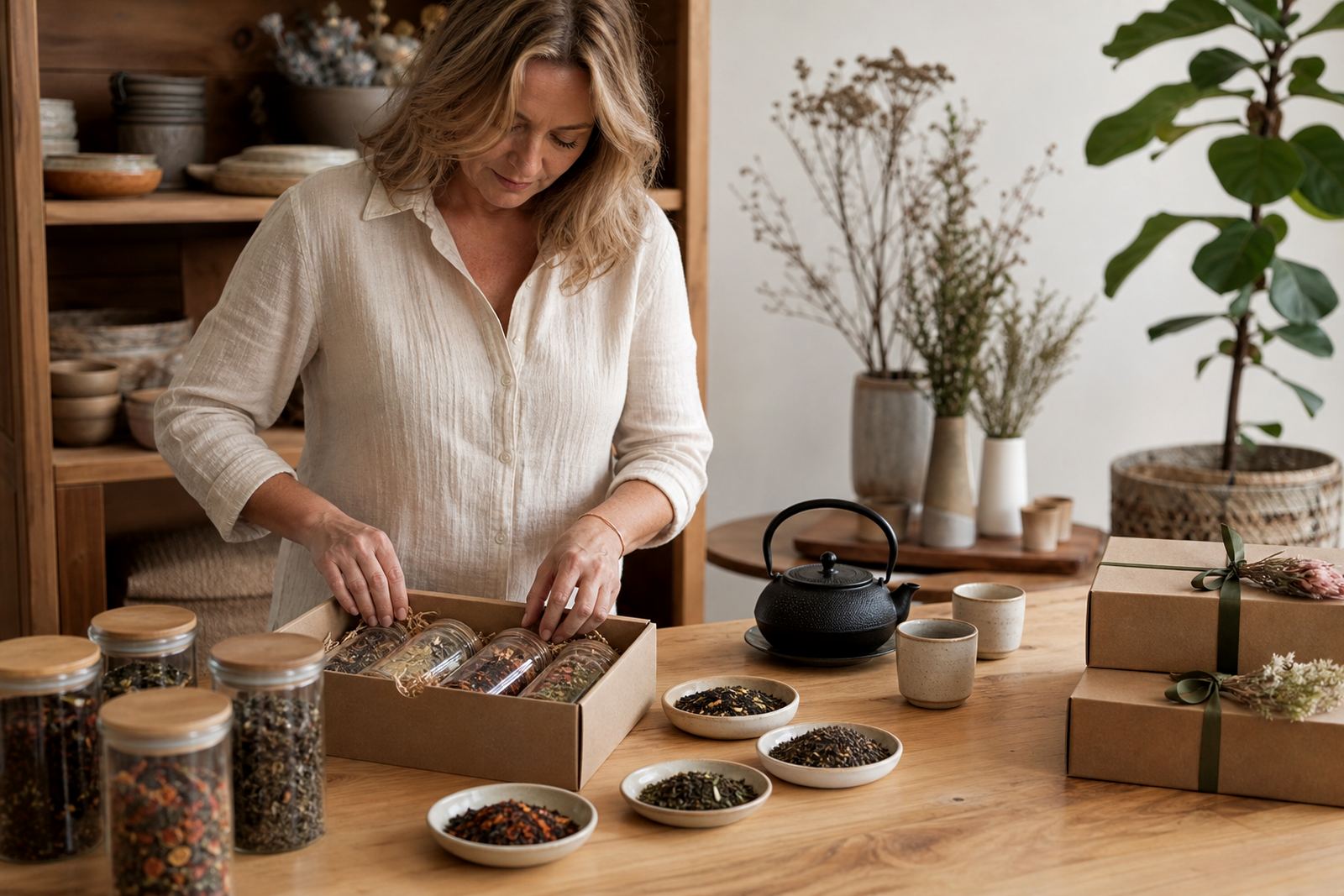
If your brunch is relaxed and family-style, choose a bright tea, a dependable rooibos and one softer infusion for guests who want something lighter. That combination suits everything from croissants to bobotie tartlets and gives your table enough variety without turning it into a tasting room. We can also help with custom tea blending, private label packing, corporate gifting, tea menu curation and bulk orders for hospitality teams across Stellenbosch, Paarl, Somerset West and beyond.
For most weekend brunches, the winning formula is simple: good cups, clear labels, enough hot water and tea that tastes like it belongs with food. When the tea is right, the table settles faster and the morning feels less rushed, even when the guest list grows unexpectedly.