Where Tea Fits in a Busy Restaurant Service
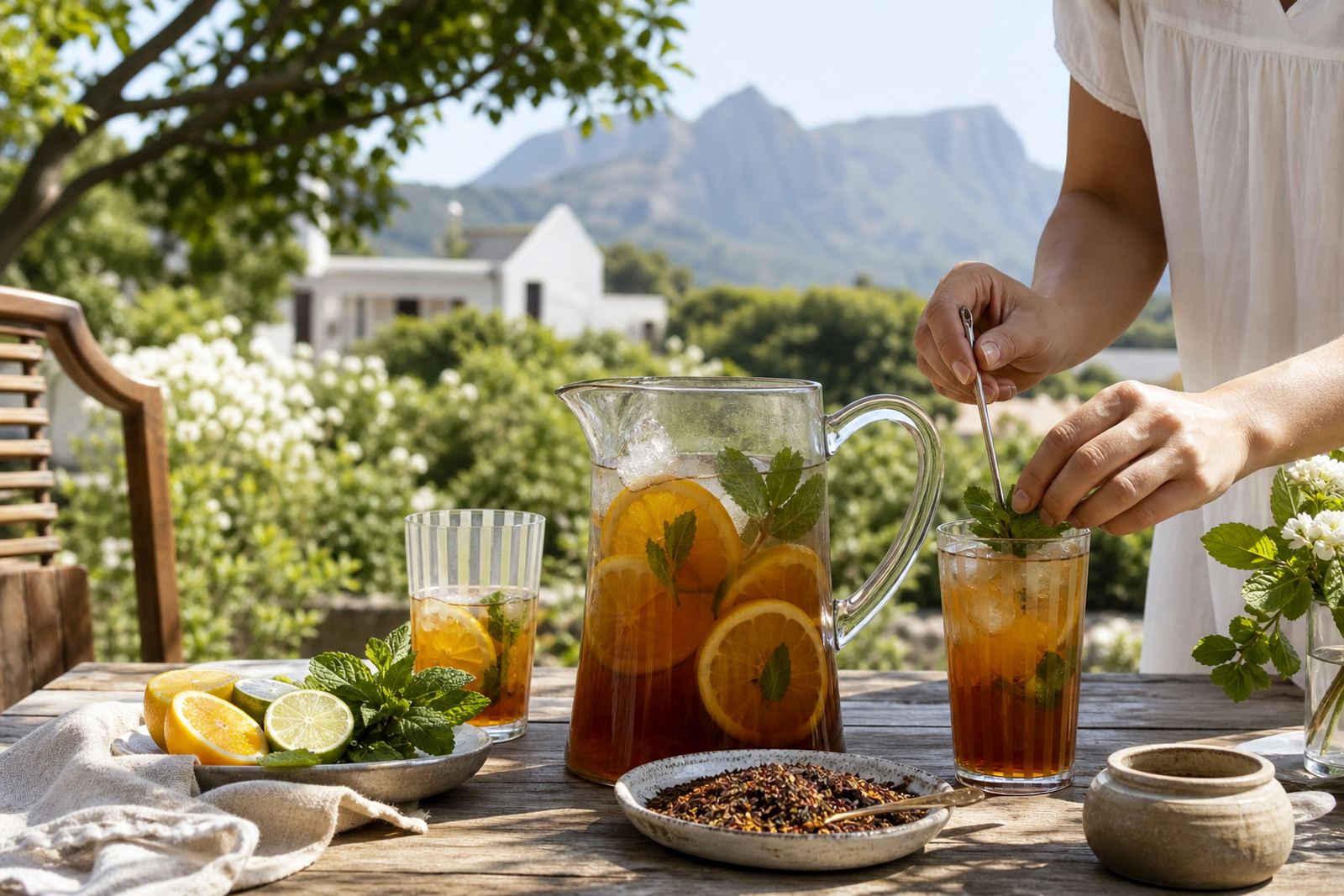
A good restaurant tea service starts with the customer journey, not the kettle. Guests often want a warm finish after lunch, a caffeine-free option at dessert, or something lighter between courses. In South African dining rooms this matters even more when the weather shifts, because a hot rooibos or herbal infusion sells well in winter, while a clean iced tea option can help during summer service in Stellenbosch, Somerset West and coastal towns.
Tea works best when it is placed where staff can offer it quickly without slowing the pass. If your team is already managing coffee, wine and dessert orders, tea must be straightforward to portion, brew and present. That means using a short but clear tea list, glass or porcelain servingware that suits your table style, and portions that are measured so every cup tastes the same.
Restaurants often use tea to solve a few practical needs at once. It gives a non-alcoholic upsell, supports dietary preferences, and adds variety for guests who do not want another cappuccino after the main meal.
Typical Equipment Set for Tea Service
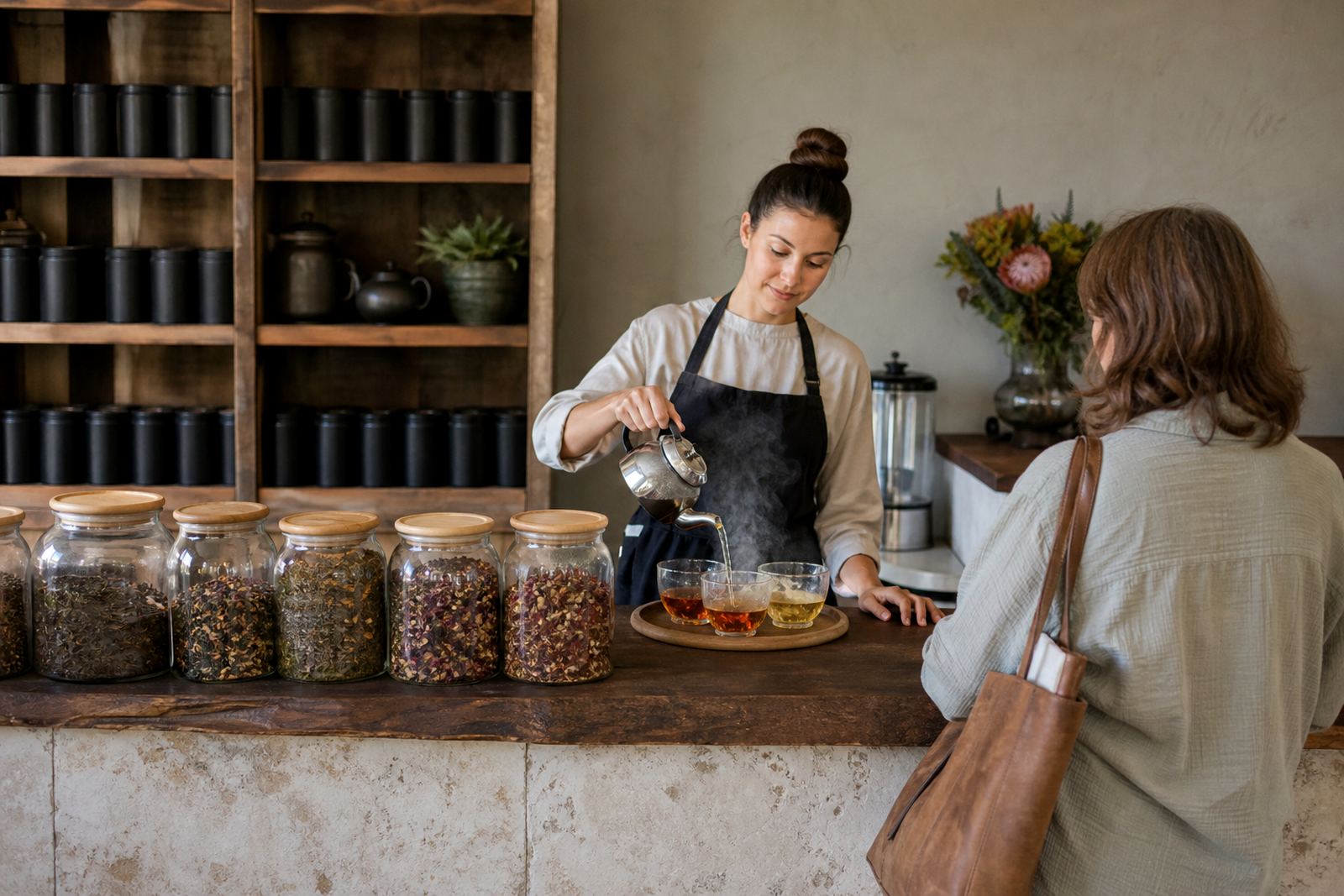
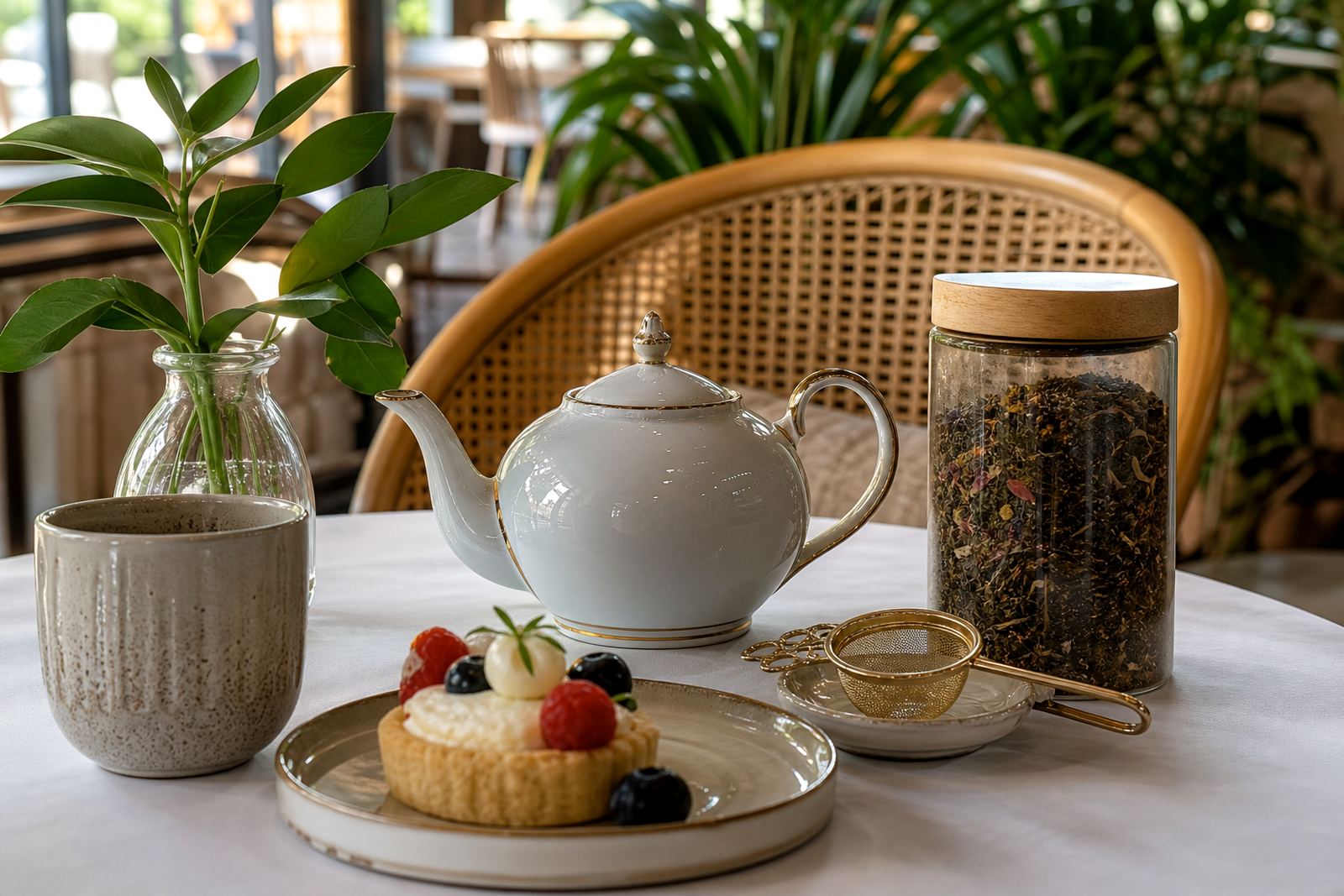
You do not need a complicated setup to serve quality loose-leaf tea. Most restaurants do better with a compact, repeatable station that can handle peak lunch service and a slower dinner flow. The main goal is to keep the tea hot, the leaves measured correctly, and the brew time controlled.
- Tea pots or infuser pots for table service, usually 400 ml to 800 ml
- Tea strainers or infuser baskets for loose-leaf and rooibos blends
- Hot water urn or kettle with temperature control for different teas
- Serving trays, cups, saucers and small milk jugs where needed
- Labels or menu cards showing tea names, caffeine level and flavour notes
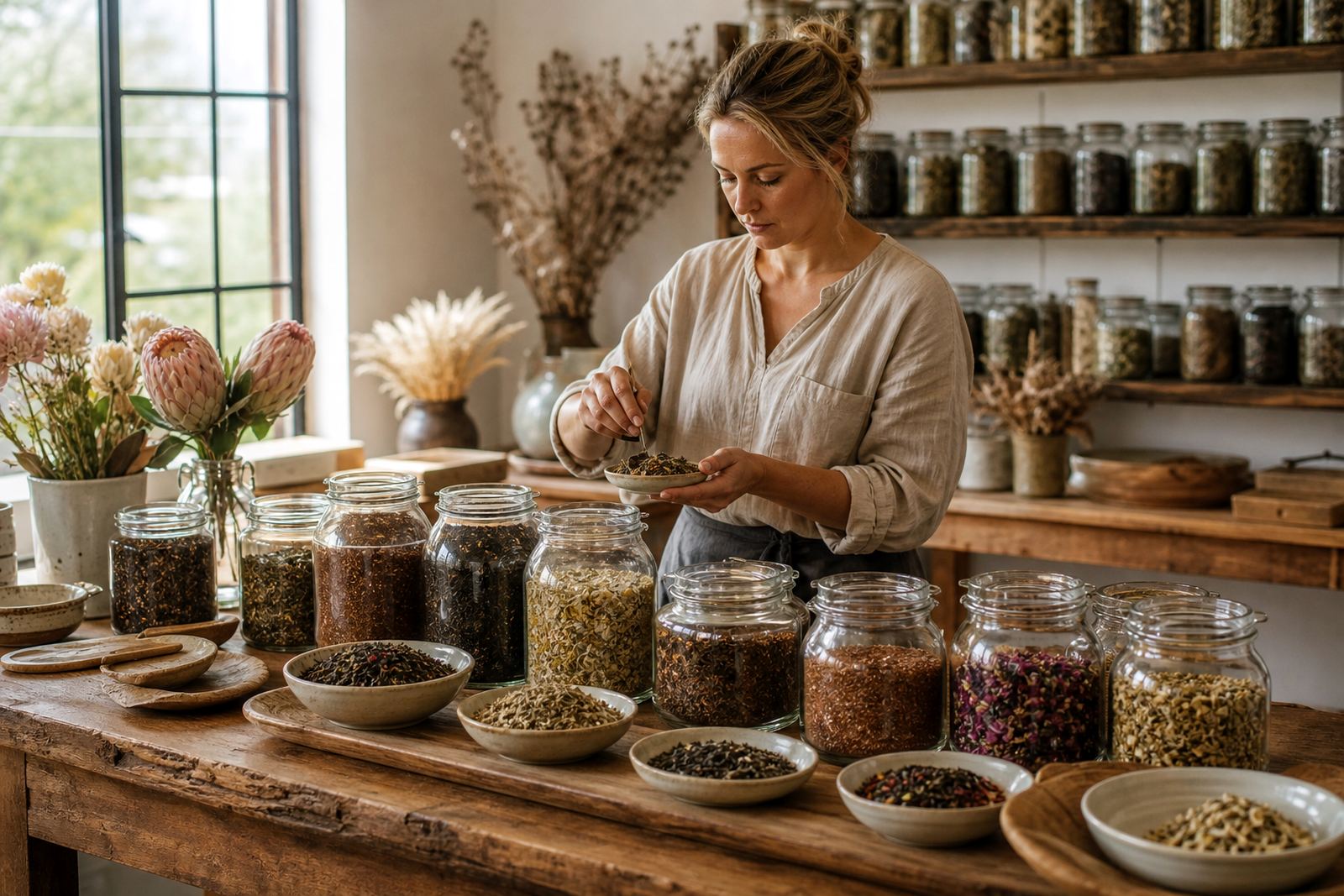
- Storage jars or airtight containers for dry tea in the kitchen
- Waste tubs for used leaves and strainers during busy shifts
If you are serving tea for dessert menus, one staff member should be able to set up the whole order in under three minutes. That speed keeps service smooth. In a restaurant with load-shedding backup, it is also sensible to have a plan for a gas hob, insulated hot water unit or other backup heating method so tea service does not stop when the power does.
Layout and Menu Planning That Keeps Service Moving
Tea service needs a simple layout. Keep the tea storage close to the hot water source and away from heat, steam and strong smells from spices or cleaning products. Loose-leaf tea absorbs odours easily, so the storage area should be dry and closed. In coastal areas like Cape Town or Durban, humidity can affect freshness faster, so airtight containers matter even more.
Menu planning should reflect what your guests actually order. A small restaurant tea list might include a black tea, a green tea, a pure rooibos, a red cappuccino style rooibos and one herbal infusion. If you run brunch, lunch and dessert service, you may also want one caffeine-free blend for evenings. Keep the selection tight enough for staff to learn quickly but broad enough to suit different tastes.
- Use one tea list across the dining room instead of separate lists for every section
- Match stronger teas with puddings and chocolate desserts
- Pair rooibos with citrus, vanilla or spice based menu items
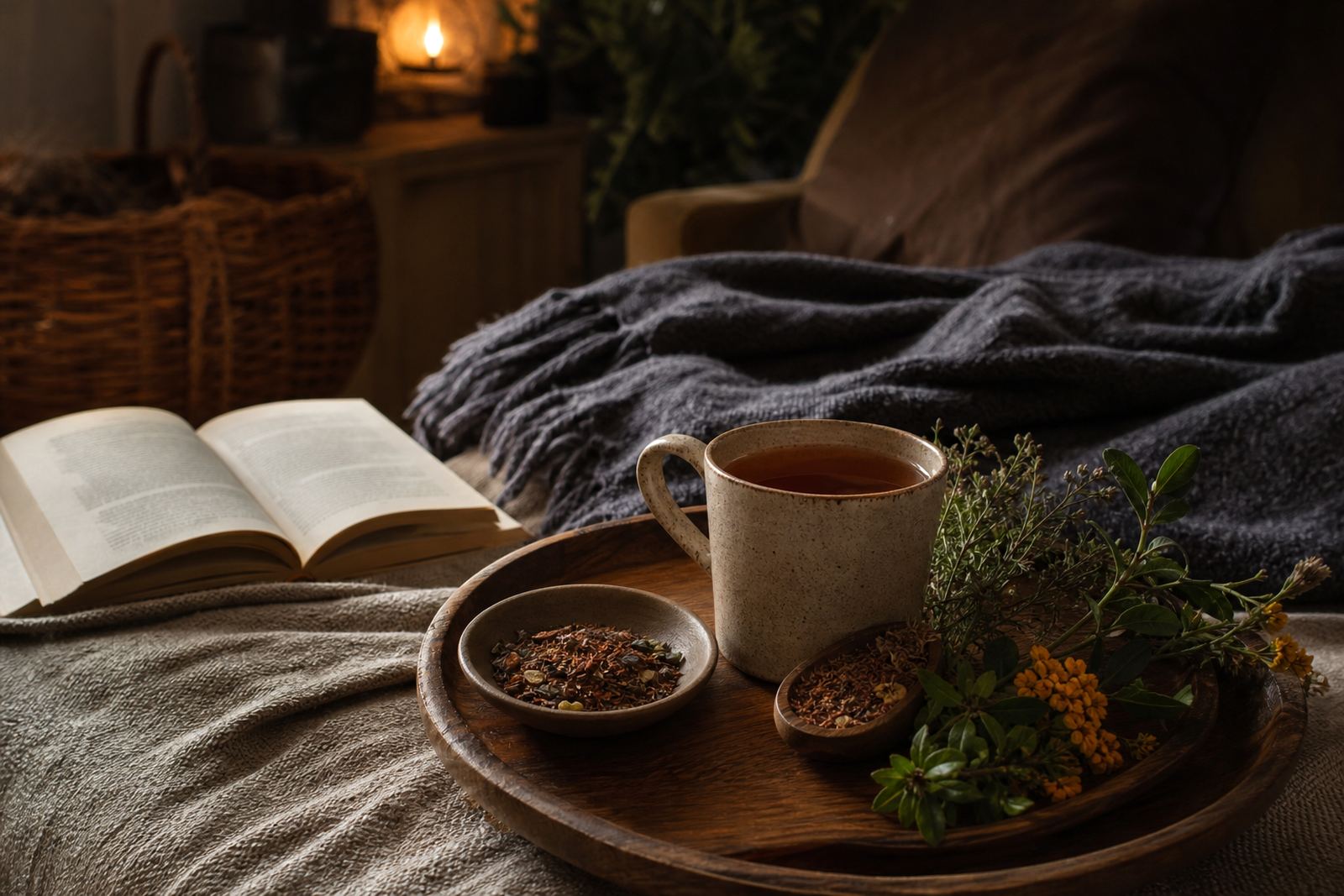
- Offer herbal infusions after dinner for guests avoiding caffeine
- Train staff to describe teas in one or two clear sentences
For restaurants that host functions, wedding lunches or private dinners, a tea station can also be used at the end of the meal as a calm close to the event. That is especially useful where guests are staying nearby and do not want coffee late in the evening.
Common Mistakes Restaurants Make with Loose-Leaf Tea
The biggest mistake is treating tea like an afterthought. If the kitchen team does not know the brew times, or if the front of house staff cannot explain the options, guests usually default to coffee. Another common problem is using too much leaf, which makes the drink bitter and expensive. Too little leaf gives a weak cup that feels cheap.
Restaurants also lose consistency when one person measures by eye and another uses a scoop. The result is different flavour from table to table. If you are serving tea at lunch in a busy suburb like Paarl or Johannesburg, inconsistency becomes obvious fast because the dining room moves at speed and complaints tend to arrive at the same time as the bill.
- Do not store tea above ovens or near steam tables
- Do not use a single brew time for all teas
- Do not hide the tea menu behind coffee only options
- Do not let staff over steep tea while waiting for the runner
- Do not buy bulk tea without checking leaf size and infusion behaviour
A final mistake is poor portion control during dessert service. A tea that is lovely in a pot can become costly if it is over-served all night. Measure, track and review what guests actually order each week.
Budget Ranges for Restaurant Tea Setups in Rand
Tea budgeting depends on whether you are building a small in-house service or a full tea programme for lunch, dessert and events. In most South African restaurants, the starter spend for equipment is manageable, but the ongoing tea cost needs attention because it affects gross margin on every cup.
For a small restaurant tea setup, equipment and initial stock can start around R3 500 to R8 500. That usually covers a few serving pots, strainers, airtight storage and an opening range of teas. A more polished front-of-house setup for a busy dining room or boutique venue can range from R9 000 to R22 000, especially if you need more pots, backup heating and branded presentation items.
On the product side, loose-leaf tea cost per serving will vary by blend and portion size, but a sensible restaurant model is often in the region of R4 to R12 per cup before labour and overheads. Premium blends, gifting style service or tasting flights can sit higher. If you are planning tea for a hotel dining room, wedding venue or corporate lunch programme, it helps to budget separately for stock, serviceware and staff training so the figures stay clean.
How Cup Of Tea Co Supports Restaurant Tea Service
For restaurants in Stellenbosch, Cape Town, Johannesburg, Pretoria, Durban, Bloemfontein, Somerset West and Paarl, a tea programme works best when the supply is reliable and the blends stay consistent. Cup Of Tea Co supplies loose-leaf teas, rooibos and herbal infusions from Stellenbosch Central, with courier delivery across South Africa.
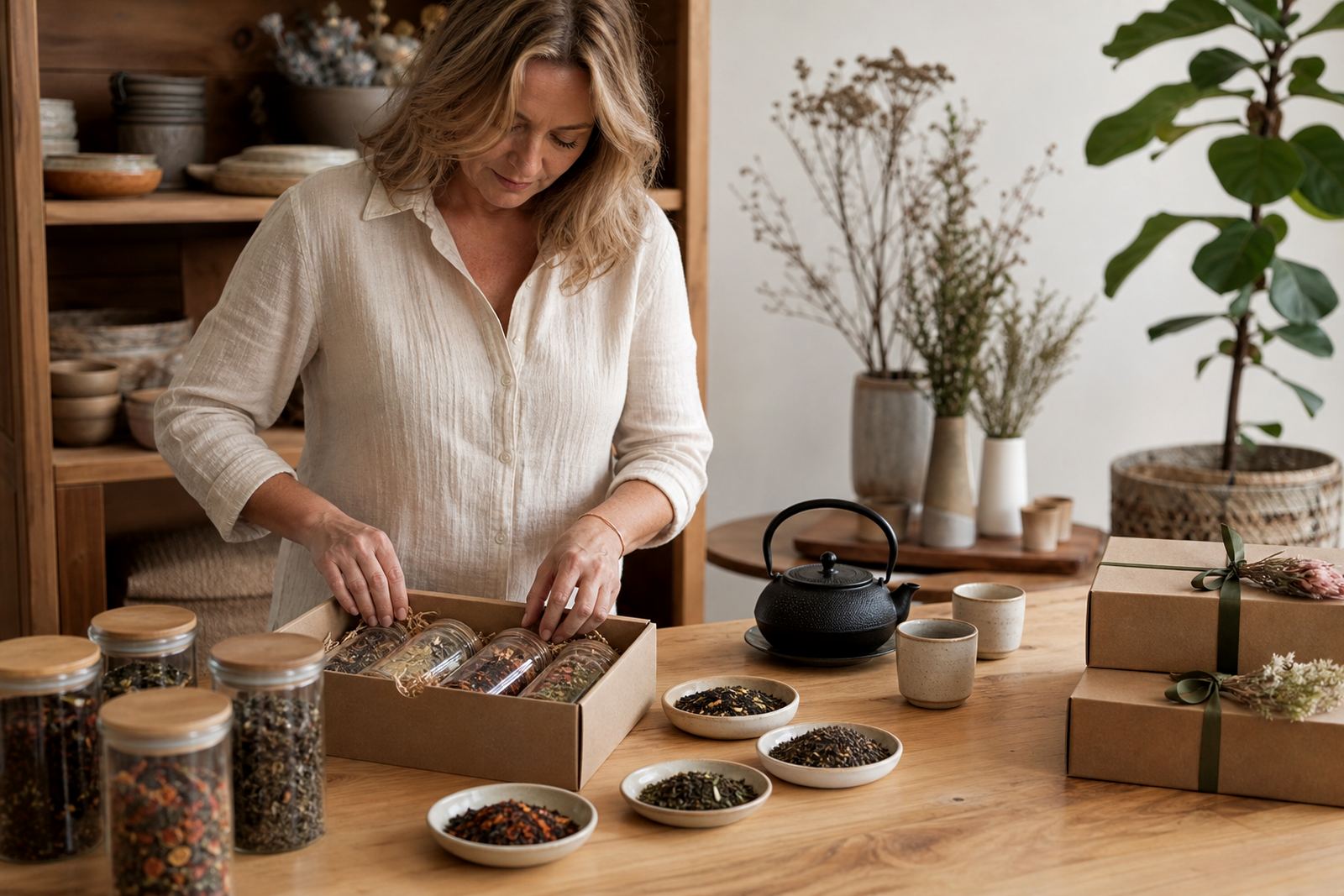
We work with restaurants that want support on tea list planning, portion consistency and flavour matching for food service. That can include custom tea blending, private label packing, hospitality tea supply, tea menu curation and bulk tea orders. If you are looking at a seasonal dessert menu, a lunch refresh or a full after-meal tea offer, the enquiry form on our contact page is the best place to start.
Restaurants do not need a complicated tea strategy. They need a cup that arrives on time, tastes the same every service and suits the menu. Get that right, and tea becomes part of the meal rather than something added at the end.