
Why breakfast needs a different tea mindset
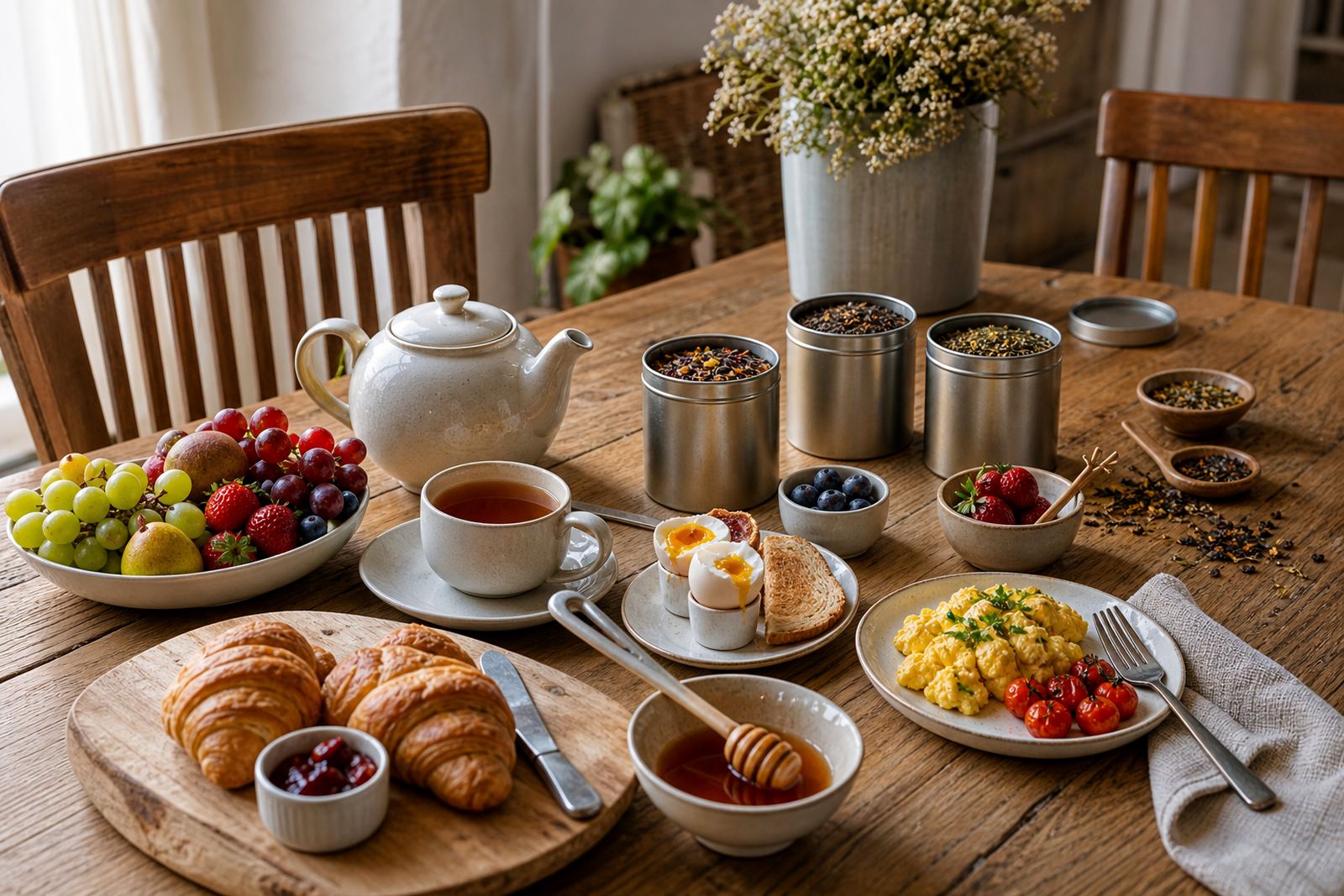
Morning food is usually lighter and more varied than supper, so the tea should match that pace. A strong breakfast with eggs, bacon and mushrooms can take a fuller black tea, while fruit, yoghurt and seed bowls often work better with something softer or more floral. The trick is to look at sweetness, richness and texture before you pour.
In Stellenbosch, where many mornings start cool and end warm, people often move between two cups before 10 o'clock. First a brisk tea with breakfast, then something gentler once the day settles. That simple shift makes tea feel less like a fixed habit and more like part of the meal.
Toast toppings and the teas that fit them
Toast seems plain until you start adding peanut butter, marmite, avocado, jam or cheese, and each topping asks for something different. A buttery slice with honey or jam can handle a lighter tea with a hint of fruit, while savoury toast needs more grip in the cup. If the toast is toasted dark and salted, go for a tea with a little bite so the bread does not taste flat.
- Avocado and lemon: a clean green tea or a light herbal infusion
- Peanut butter and banana: a round rooibos blend with gentle sweetness
- Jam or marmalade: a brighter black tea to keep the sugar in check
- Cheese on toast: a fuller loose-leaf tea with a stronger finish
For households that like a quick breakfast before school or work, rooibos is a practical choice because it suits most toast toppings and does not turn bitter if it stands a few minutes. That matters when the kettle is going while everyone is hunting for keys and lunchboxes.
Fruit bowls and lighter morning pairings
Fruit calls for tea that supports freshness rather than competing with it. Citrus, berries, melon and stone fruit all sit well with teas that have a clean finish, soft floral notes or a mild herbal edge. If the bowl includes yoghurt, granola or seeds, the tea can carry a bit more body so the breakfast does not feel too thin.
A good rule is to pair tart fruit with a smoother tea and sweeter fruit with something more lively. Rooibos works well here because it gives natural depth without sharp tannins. In warm coastal areas, a cooled infusion can be especially useful in summer, though many people still prefer it hot even on hotter days.
- Citrus fruit: rooibos with a fresh herbal note
- Berry fruit: a light floral tea or gentle fruit infusion
- Banana and yoghurt: a fuller rooibos blend
- Melon and mint: a crisp herbal infusion
Oats porridge and the case for a softer cup
Oats are comforting, filling and slightly sweet, so they are best matched with tea that does not fight the texture. If the porridge is plain with milk and salt, you can use a tea with more character. If it is already topped with honey, dates or syrup, choose something softer so the meal stays balanced.
This is where many South African homes naturally reach for rooibos. It works with cinnamon, apple, raisins and nut toppings, and it still tastes pleasant if you are sipping slowly between bites. For colder winter mornings in the Western Cape, a mug of rooibos beside porridge feels steady and familiar. It is a small thing, but it makes breakfast less rushed.
For those who enjoy steel-cut oats or overnight oats, think about temperature too. A hot tea with a chilled bowl gives contrast, while a milder infusion keeps the whole meal light. If the oats are served with yoghurt and fruit, avoid very strong tea because it can flatten the fresh flavours.
Weekend brunch dishes deserve more structure
Weekend brunch is where tea pairing becomes a little more interesting. Egg dishes, smoked fish, croissants, baked tomatoes and savoury muffins all need more structure than a weekday slice of toast. You can move from light to full depending on how rich the table looks. If there is bacon, hollandaise or creamy mushrooms, a stronger tea can stand up to the fat.
At a brunch table in Somerset West or Paarl, for example, you might see fresh bread, fruit salad, quiche and a sweet tart all in one sitting. That is when a tea range is useful. One pot may suit the savoury plates, while another works better with the sweeter dishes. Keeping the selection varied means guests can choose what suits their plate instead of forcing every cup to do the same job.
- Eggs and mushrooms: fuller black tea or strong rooibos
- Quiche and savoury muffins: medium-bodied tea with a clean finish
- Croissants and jam: lighter tea with a soft fruit note
- Smoked fish or salty brunch items: a tea with enough grip to cut richness
A simple pairing guide for South African homes
You do not need a complicated tea chart to get breakfast right. Start with the main flavour on the plate, then decide whether the tea should contrast or echo it. Rich food usually needs contrast, while delicate food benefits from a tea that follows the same line. That one habit makes the choice much easier on busy mornings.
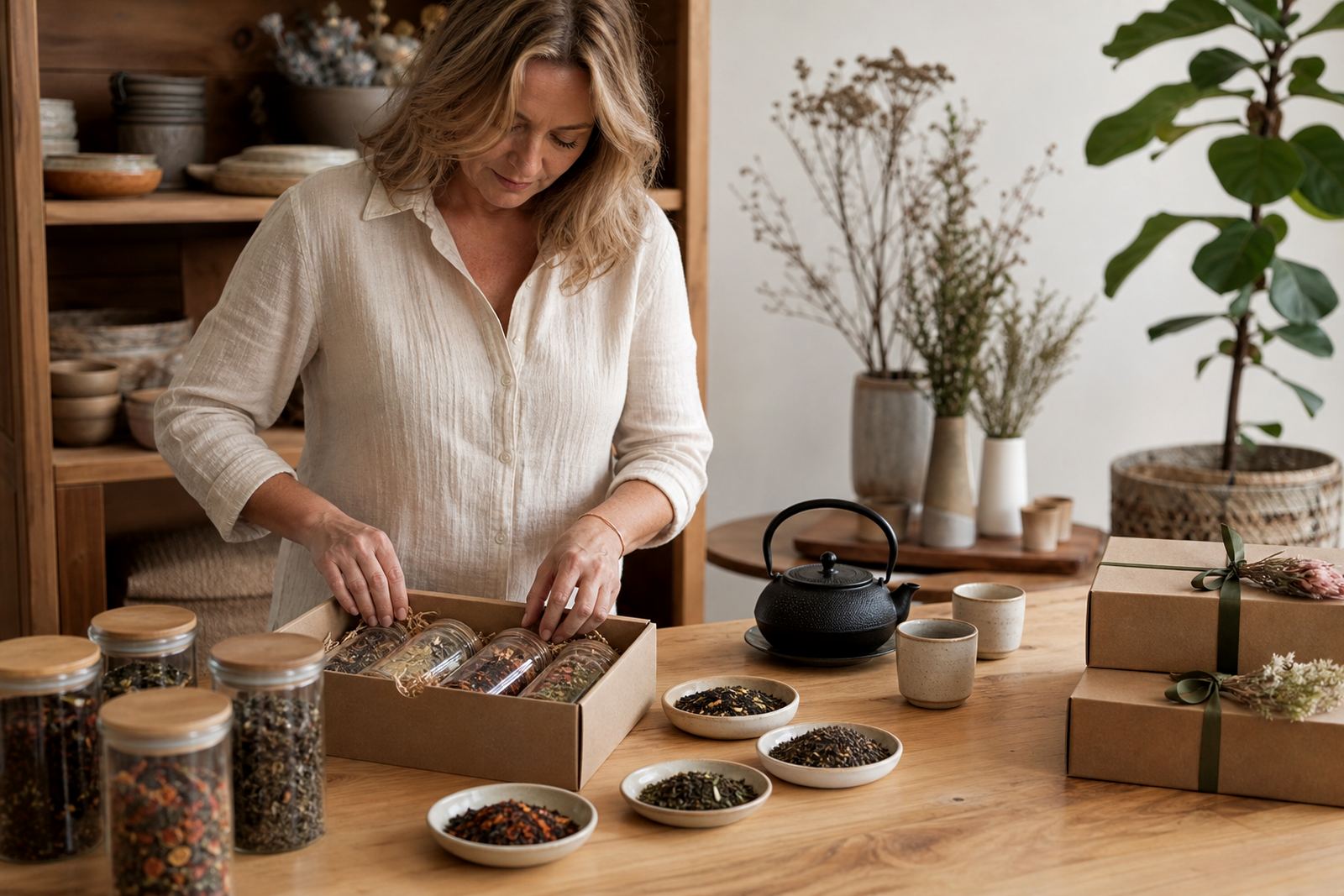
For families and guest houses, it also helps to keep two or three teas ready for breakfast service. A classic loose-leaf tea, a dependable rooibos and one lighter herbal option can cover most situations. In a place like Stellenbosch, where guests may come from across South Africa and want familiar flavours, that range is usually enough to handle toast, fruit, oats and brunch without any fuss. If you like, pour the tea in a smaller cup first and taste before topping up. You will notice quickly whether the breakfast needs more strength or a gentler cup.
What to keep in the cupboard for morning pairings
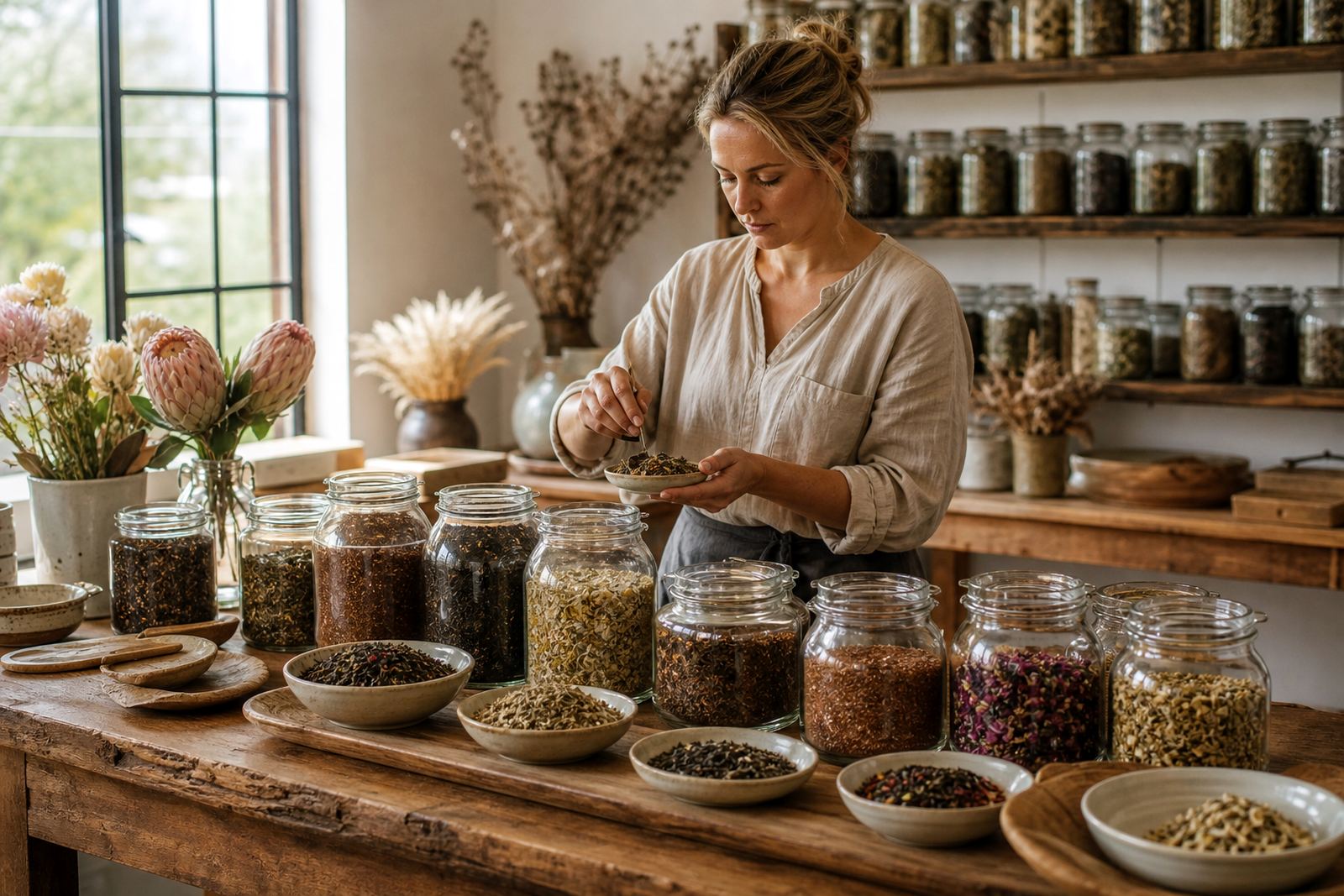
A useful breakfast cupboard does not need dozens of tins. It just needs a few teas that cover different moods and meals. One tea should be dependable for everyday toast and oats, one should suit fruit and lighter brunches, and one should be strong enough for richer weekend plates. That gives you flexibility without clutter.
- A classic tea for fuller breakfasts
- A rooibos blend for oats, toast and family use
- A light herbal infusion for fruit and summer mornings
- A deeper blend for weekend brunch and savoury dishes
Once you have that base, breakfast becomes easier to plan and nicer to serve. Tea stops being an afterthought and becomes part of the meal, which is really how it should be.